
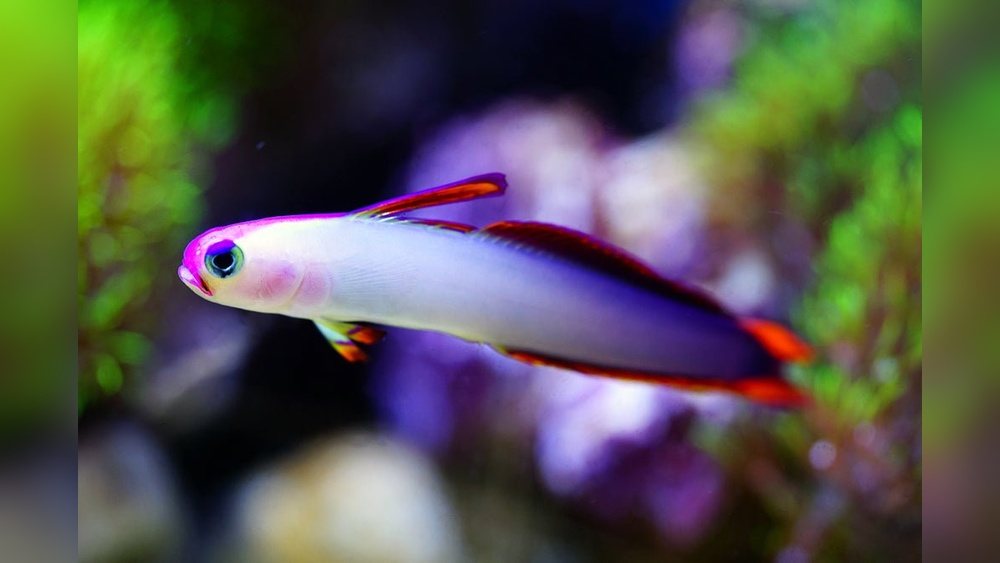
The Firefish Goby is a beautiful fish for saltwater aquariums. It is also called Magnificent Dartfish. Many fish lovers enjoy keeping this fish. It has bright colors and a friendly nature. This guide will help you care for your Firefish Goby well.
:strip_icc()/FirefishGoby-GettyImages-513096241-59f2733d03f402001010225f.jpg)
Credit: www.thesprucepets.com
About Firefish Goby
Firefish Gobies are small, peaceful fish. They grow up to 3 inches long. They live in warm ocean waters. In aquariums, they show bright red, orange, or purple colors. Their long, pointed fins look like a flame.
Tank Size and Setup
Firefish Gobies need the right tank to stay healthy and happy. Here are the tank basics:
- Tank Size: At least 20 gallons. Bigger is better for pairs or groups.
- Tank Lid: A tight lid is very important. Firefish Gobies can jump out if scared.
- Water Flow: Keep the water flow low to moderate. Strong currents stress the fish.
- Aquascaping: Add live rocks with crevices and caves. Firefish Gobies love hiding spots.
Water Conditions
Good water quality is key for Firefish Goby care. Follow these steps:
| Parameter | Ideal Range |
|---|---|
| Temperature | 72°F to 78°F (22°C to 26°C) |
| pH Level | 8.1 to 8.4 |
| Salinity (Specific Gravity) | 1.020 to 1.025 |
| Ammonia | 0 ppm (parts per million) |
| Nitrite | 0 ppm |
| Nitrate | Below 20 ppm |
Regular water tests help keep these levels safe. Change 10-20% of water weekly to keep tank clean.
Feeding Firefish Goby
Firefish Gobies are omnivores. They eat both plants and meat. They like small, meaty foods. Here is a simple diet plan:
- Mysis shrimp (small frozen shrimp)
- Brine shrimp (fresh or frozen)
- Finely chopped fresh seafood like fish or shrimp
- Algae and plankton growing in the tank
- Prepared foods enriched with vitamins
Feed small amounts 2-3 times daily. This keeps them healthy and active. Soak frozen foods in vitamin supplements for better nutrition.
Tank Mates
Firefish Gobies are gentle and shy. They do not like aggressive fish. Choose calm, peaceful tank mates. Good companions include:
- Clownfish
- Blennies
- Cardinalfish
- Small peaceful wrasses
Avoid big, aggressive fish that may bully or eat them. Also, avoid very large fish that can scare Firefish Gobies.
Behavior and Personality
Firefish Gobies are peaceful and shy. They often hide in caves or rock crevices. They may dart quickly when scared. This is normal behavior. They use their long fins to show off or warn others.
They usually swim near the tank top. They prefer calm spots with plenty of hiding places. If stressed, they may jump out of the tank. Always keep a secure lid on your aquarium.
Breeding Firefish Goby
Breeding Firefish Gobies is possible but not easy. They need the right conditions and space. In the wild, they lay eggs in caves. The male guards the eggs until they hatch.
If you want to try breeding, keep one male and one female. Provide plenty of hiding spots and caves. Keep water very clean and stable. Watch for mating behavior, like the male showing bright colors.
Common Health Problems
Firefish Gobies are hardy but can get sick if tank conditions are poor. Common problems include:
- Ich (White Spot Disease): Small white spots on the body and fins.
- Fin Rot: Torn or ragged fins, often from bacteria.
- Stress: Caused by poor water quality, bad tank mates, or strong currents.
To prevent disease, keep water clean and stable. Feed a healthy diet. Remove aggressive fish from the tank. If illness appears, act fast. Use saltwater medicines as advised by experts.
Tips for New Owners
- Set up the tank with live rock and caves before adding fish.
- Always have a tight lid on your aquarium.
- Choose peaceful tank mates to avoid stress.
- Feed small meals multiple times a day.
- Test water often and do regular water changes.
- Watch the fish daily for any signs of illness or stress.
- Be patient. Firefish Gobies take time to settle in.
Summary Table: Firefish Goby Care at a Glance
| Care Aspect | Details |
|---|---|
| Tank Size | Minimum 20 gallons |
| Water Temperature | 72°F to 78°F (22°C to 26°C) |
| pH Level | 8.1 to 8.4 |
| Salinity | 1.020 to 1.025 Specific Gravity |
| Diet | Omnivore – shrimp, seafood, algae, prepared foods |
| Tank Mates | Peaceful fish like clownfish and blennies |
| Behavior | Shy, peaceful, likes hiding places |
| Special Needs | Tight tank lid, low to moderate water flow |
Final Thoughts
Firefish Gobies make great pets for saltwater tanks. They are colorful and peaceful. With the right care, they live many years. Remember to keep water clean and stable. Provide good food and safe tank mates. Most importantly, give them hiding spots and a secure lid. Your Firefish Goby will thrive and brighten your aquarium.
Frequently Asked Questions
What Does A Firefish Goby Eat?
Firefish Goby eats meaty foods like mysis shrimp, brine shrimp, and finely chopped seafood. They also consume algae and zooplankton. Include vitamin-enriched prepared foods for a balanced diet. Feed small amounts multiple times daily to keep them healthy and active in your reef aquarium.
Do Firefish Need To Be In Pairs?
Firefish do not need to be kept in pairs. They thrive well as a single fish or in an established pair if space allows. Avoid keeping multiple firefish together unless the tank is large and well-structured to reduce aggression.
Are Firefish Hard To Keep?
Firefish are easy to keep and adapt well to reef tanks. They need a secure lid and peaceful tank mates. Regular feeding with varied foods supports their health.
What Size Tank Does A Firefish Goby Need?
A Firefish Goby needs a minimum 20-gallon tank for ample swimming space and hiding spots. Use a tight lid to prevent jumping.
What Is The Ideal Tank Size For Firefish Goby Care?
A 20-gallon tank is ideal to provide enough space for swimming and hiding.
What Do Firefish Gobies Eat In Captivity?
They eat mysis shrimp, brine shrimp, chopped seafood, and vitamin-enriched foods.
Can Firefish Gobies Live In Groups Or Pairs?
They can live alone or in established pairs; groups need a large tank.
How Aggressive Are Firefish Gobies With Tank Mates?
Firefish Gobies are peaceful but can be stressed by aggressive fish.