SwitchTank

Freshwater

bumblebee goby care

Bumblebee Goby Care: Brackish Setup, Diet, Tank Mates and Lifespan

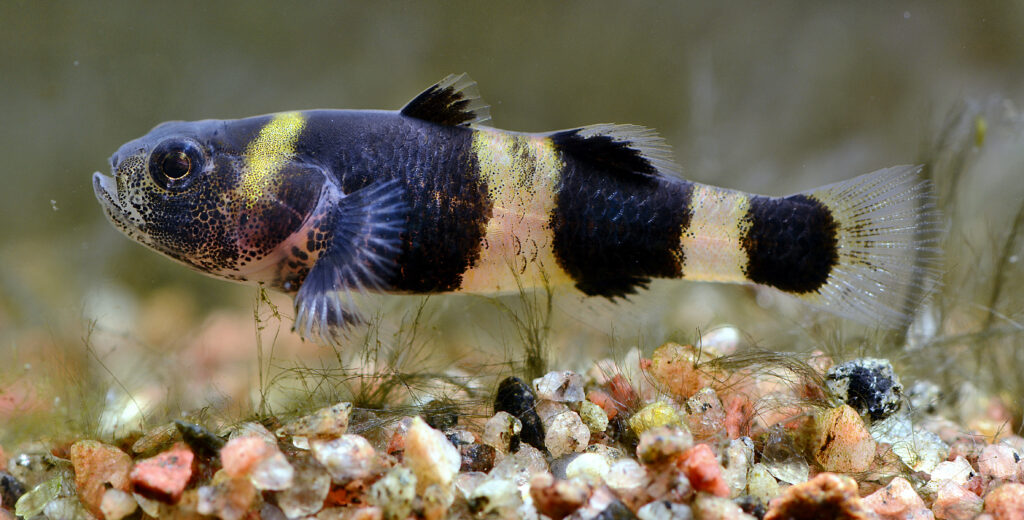
Bumblebee gobies (Brachygobius species) are tiny, black-and-yellow striped fish that perch on rocks and driftwood like miniature bumblebees. They are charming, hardy once settled, and perfect for small tanks, but they have two quirks that catch beginners out: they need brackish water to thrive, and many only eat live or frozen foods. Here is how

Bumblebee Goby Care: Brackish Setup, Diet, Tank Mates and Lifespan Read More »
mystery snail care

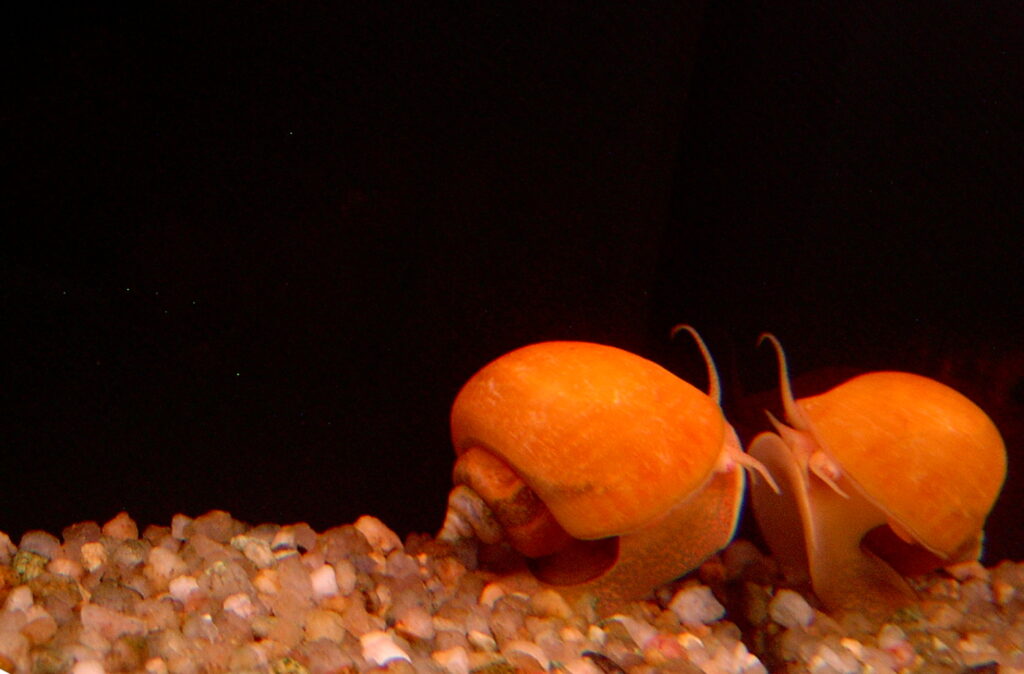
Mystery Snail Care: Tank Size, Diet, Eggs and Why Yours Might Be Dying

Mystery snails (Pomacea bridgesii) are big, colorful, peaceful freshwater snails that keep the tank clean and are fun to watch as they glide along glass, plants and substrate. They are also one of the most searched-for invertebrates in the hobby, and for good reason: they are charming, but they have specific needs that many keepers

Mystery Snail Care: Tank Size, Diet, Eggs and Why Yours Might Be Dying Read More »

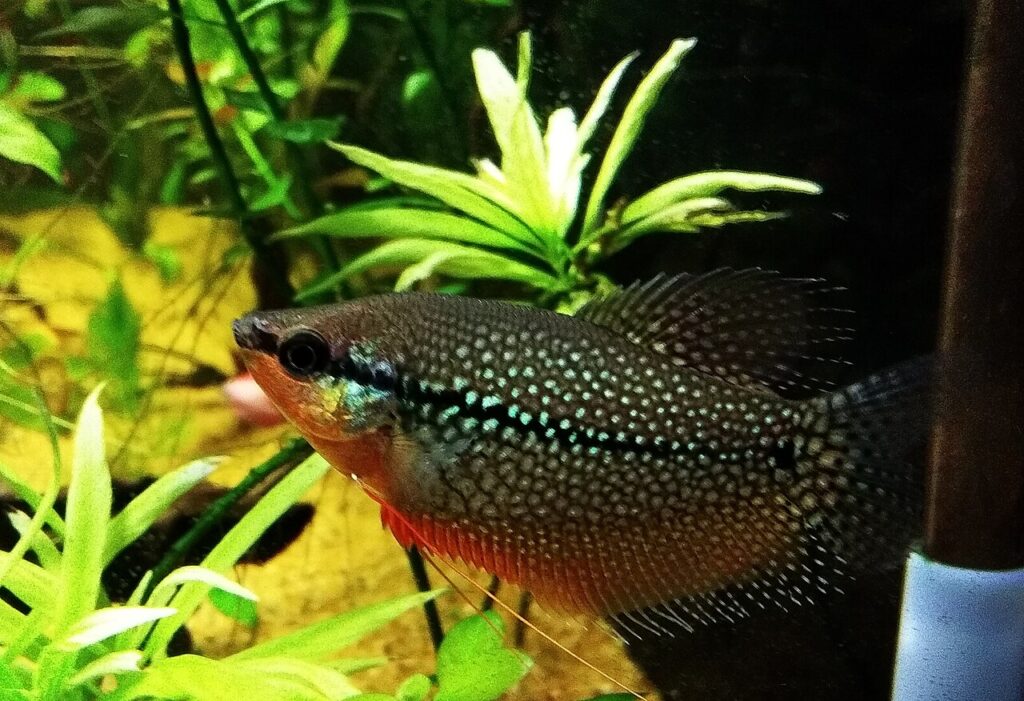
pearl gourami care

Pearl Gourami Care: Tank Size, Diet, Tank Mates, Breeding and Lifespan

The pearl gourami (Trichopodus leerii) is one of the most elegant freshwater fish you can keep. Its body is covered in tiny pearl-like dots, a dark lateral stripe runs along its side, and males develop a glowing orange to red throat and chest in breeding condition. Add long thread-like pelvic fins and a calm personality,

Pearl Gourami Care: Tank Size, Diet, Tank Mates, Breeding and Lifespan Read More »

nerite snail care

Nerite Snail Care: Tank Size, Diet, Eggs, Lifespan and Why They Die

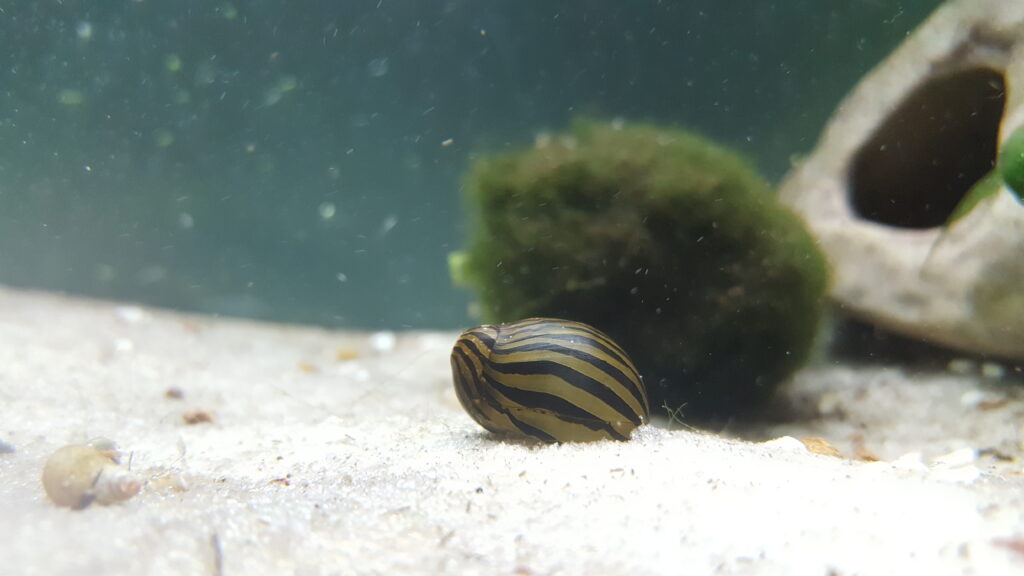
Nerite snails are among the best algae-eating invertebrates in the hobby. They clean glass, rocks and decor, they do not overbreed in fresh water, and they come in striking patterns like zebra, tiger and horned. But they have specific needs, and many are lost in the first weeks because they starve, escape, or are dropped

Nerite Snail Care: Tank Size, Diet, Eggs, Lifespan and Why They Die Read More »

angelfish care

Angelfish Care: Tank Size, Tank Mates, Diet, Breeding and Lifespan

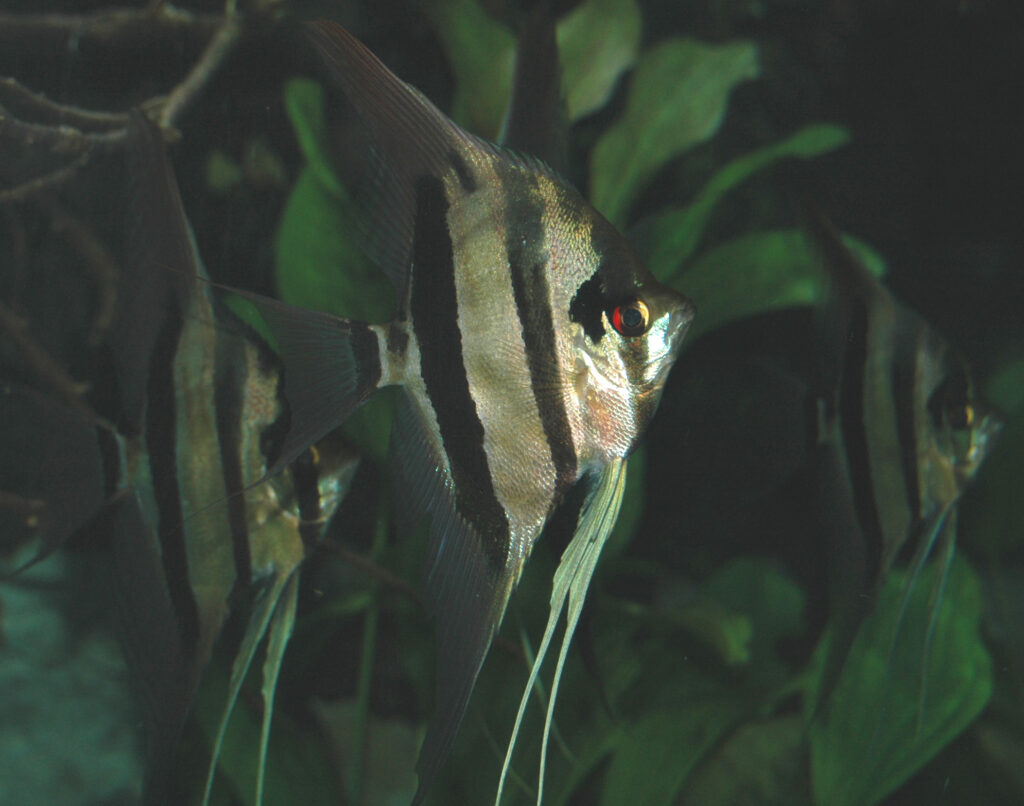
Freshwater angelfish (Pterophyllum scalare) are among the most recognizable aquarium fish in the world. Tall, graceful and surprisingly intelligent, they are also cichlids, which means they have a predatory streak and strong opinions. Good angelfish care comes down to a tall tank, stable warm water, sensible tank mates and a varied diet. This guide covers

Angelfish Care: Tank Size, Tank Mates, Diet, Breeding and Lifespan Read More »

axolotl care

Axolotl Care Guide: Tank Size, Cold Water, Diet, Tank Mates and Lifespan

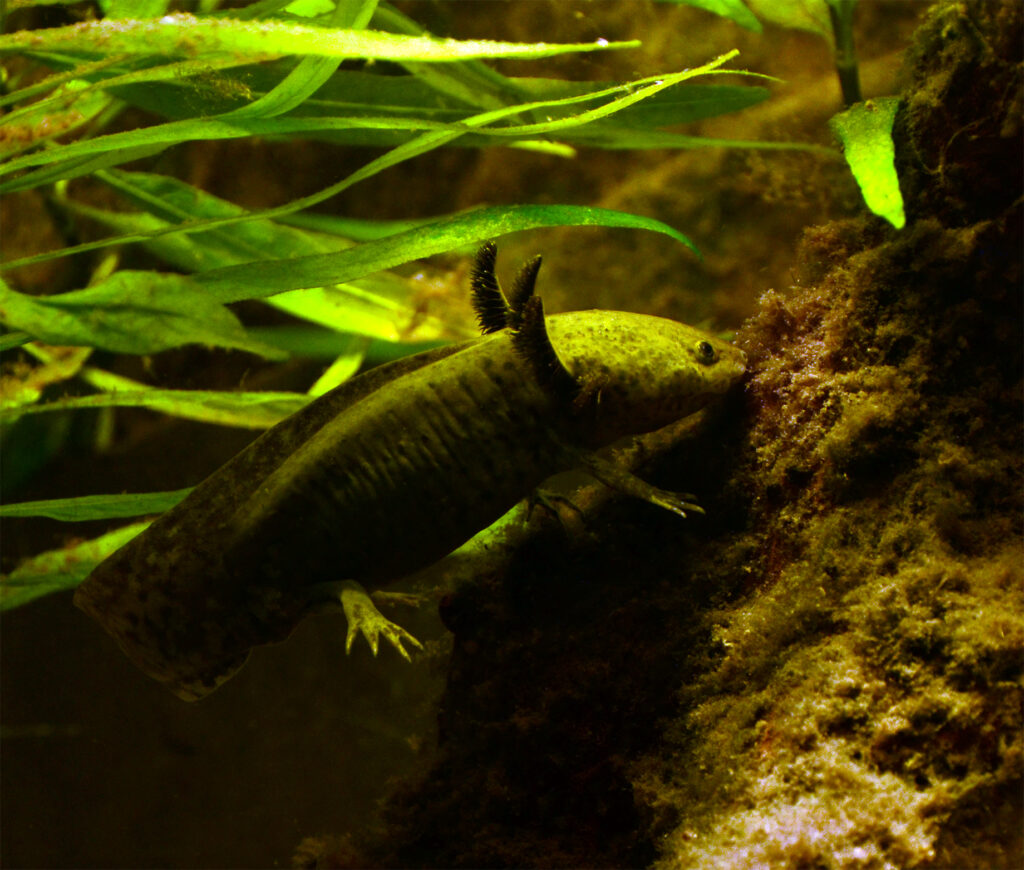
Axolotls (Ambystoma mexicanum) are fully aquatic salamanders that need a cool, clean, gently filtered tank of at least 20 gallons long, water kept between roughly 60 and 68°F, and a diet of worms and sinking pellets. They are not fish, they cannot live in a heated tropical tank, and they are far more sensitive to

Axolotl Care Guide: Tank Size, Cold Water, Diet, Tank Mates and Lifespan Read More »
apistogramma care

Apistogramma Care: Tank Setup, Water, Diet, Breeding and Why They Are Not for Beginners

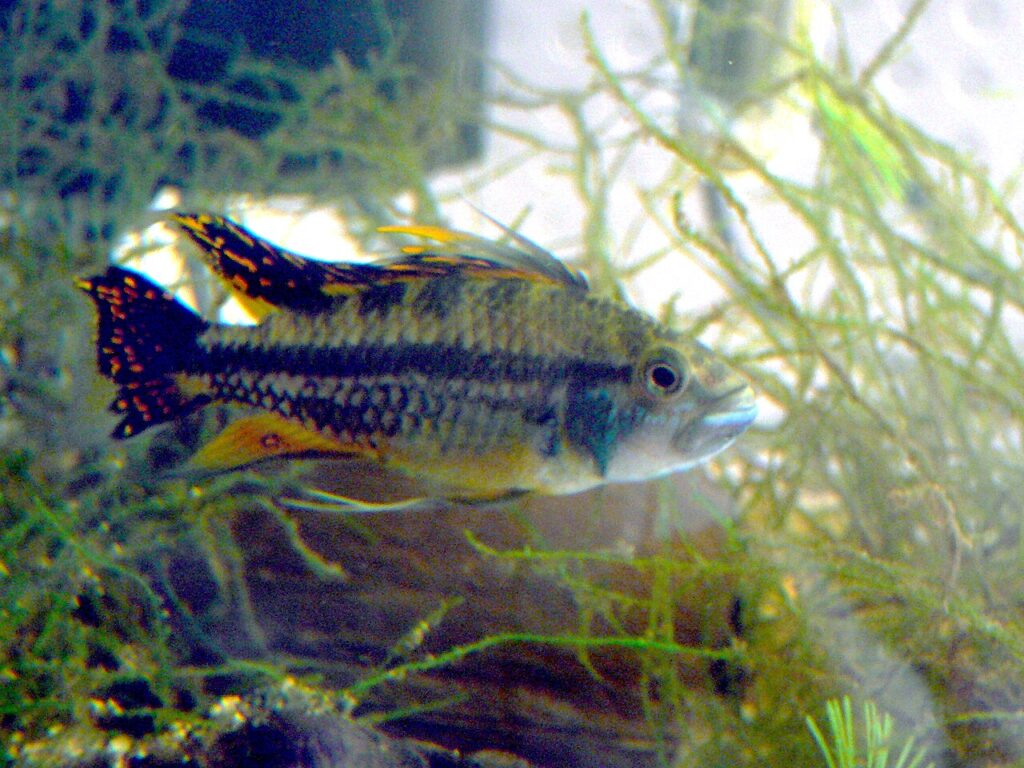
Apistogramma, often called “apistos,” are small South American dwarf cichlids with big personalities and spectacular fin colors. They stay small, breed in caves and are among the most rewarding fish a freshwater hobbyist can keep. They are also fussier than most community fish. This apistogramma care guide covers what they really need. Overview and Appearance

Apistogramma Care: Tank Setup, Water, Diet, Breeding and Why They Are Not for Beginners Read More »

german blue ram care

German Blue Ram Care: Tank Setup, Diet, Tank Mates and Why They’re Difficult

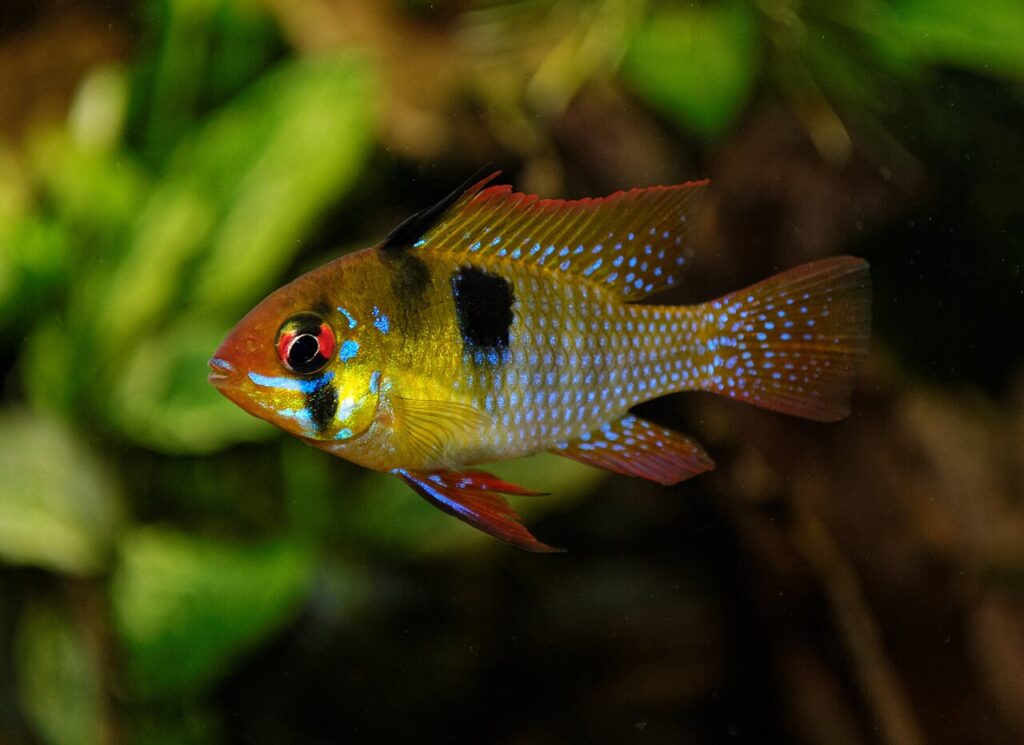
The German blue ram (Mikrogeophagus ramirezi, also sold as the blue ram, butterfly cichlid, or Ramirez’s dwarf cichlid) is one of the most beautiful small fish in the hobby. It’s also one of the most commonly lost. German blue ram care is demanding: they need warm, clean, stable water, a mature tank and careful feeding,

German Blue Ram Care: Tank Setup, Diet, Tank Mates and Why They’re Difficult Read More »