
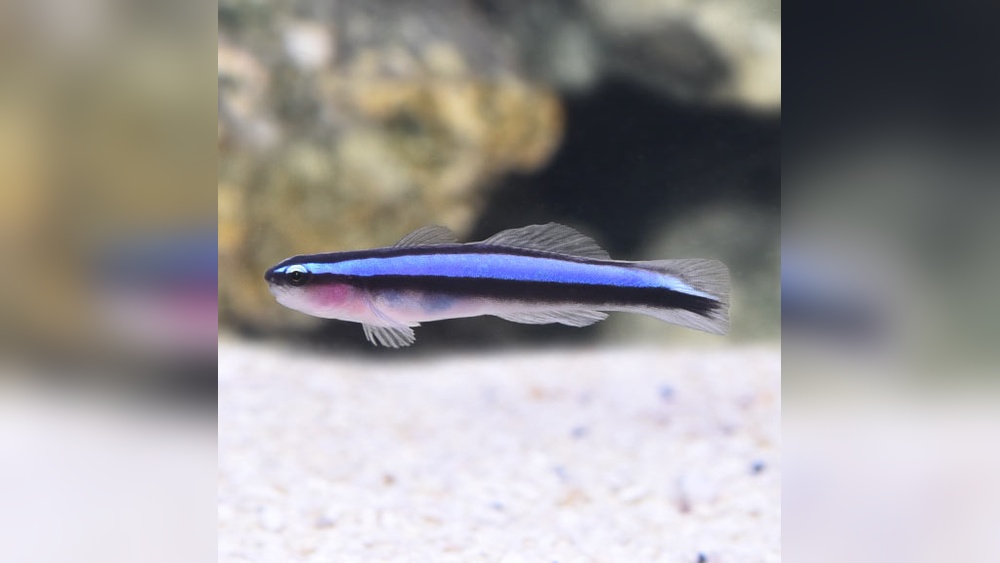
The neon goby is a small, bright fish that many people love. It has shiny colors and a calm nature. These fish are great for small tanks and reef aquariums. But, they do need special care to stay healthy and happy.
What Is a Neon Goby?
Neon gobies are tiny fish. They often grow up to 2 inches long. Their bodies shine with blue and green colors. They live in warm saltwater places like coral reefs. In the wild, they clean other fish by eating parasites.
Because of their cleaning habits, neon gobies are called “cleaner fish.” They help keep other fish healthy. They are peaceful and like to stay in small groups or pairs.
Tank Setup for Neon Goby
Setting up the right tank is very important. Neon gobies need a safe and clean home. Here are some key points to think about:
| Tank Feature | Details |
|---|---|
| Tank Size | At least 10 gallons for one or two neon gobies |
| Water Type | Saltwater with good quality and stable parameters |
| Water Temperature | Between 72°F and 78°F (22°C to 26°C) |
| pH Level | Between 8.1 and 8.4 |
| Lighting | Bright light to help algae growth for food |
| Decorations | Rocks and flat surfaces for feeding and hiding |
| Filtration | Good filter to keep water clean |
Neon gobies like tanks with many rocks and places to hide. Flat stones or coral pieces give them surfaces to feed on. A strong light helps algae and biofilm grow. This is their natural food source.
Water Quality and Maintenance
Water quality is very important for neon gobies. They need clean water with stable conditions. Here are some tips for good water care:
- Change 10-20% of water every week.
- Use a good salt mix to prepare saltwater.
- Check water parameters often (pH, temperature, salinity).
- Keep ammonia and nitrite levels at zero.
- Keep nitrate levels low, below 20 ppm.
Regular cleaning helps keep the fish healthy. A good filter and water changes are the best ways to keep water clean.
Feeding Neon Gobies
Neon gobies eat algae and small living things called biofilm. In the wild, they graze on these all day. In the tank, you must help them get enough food.
Here is what neon gobies like to eat:
- Algae growing on rocks and decorations.
- Small frozen or live foods like brine shrimp.
- Special algae wafers or pellets made for gobies.
- Small flakes or granules for saltwater fish.
Feed them small amounts several times a day. This is better than one big feeding. It stops fights and keeps them healthy.
Wild neon gobies may not eat commercial foods at first. Try different foods to find what they like. Some may take longer to accept new food.
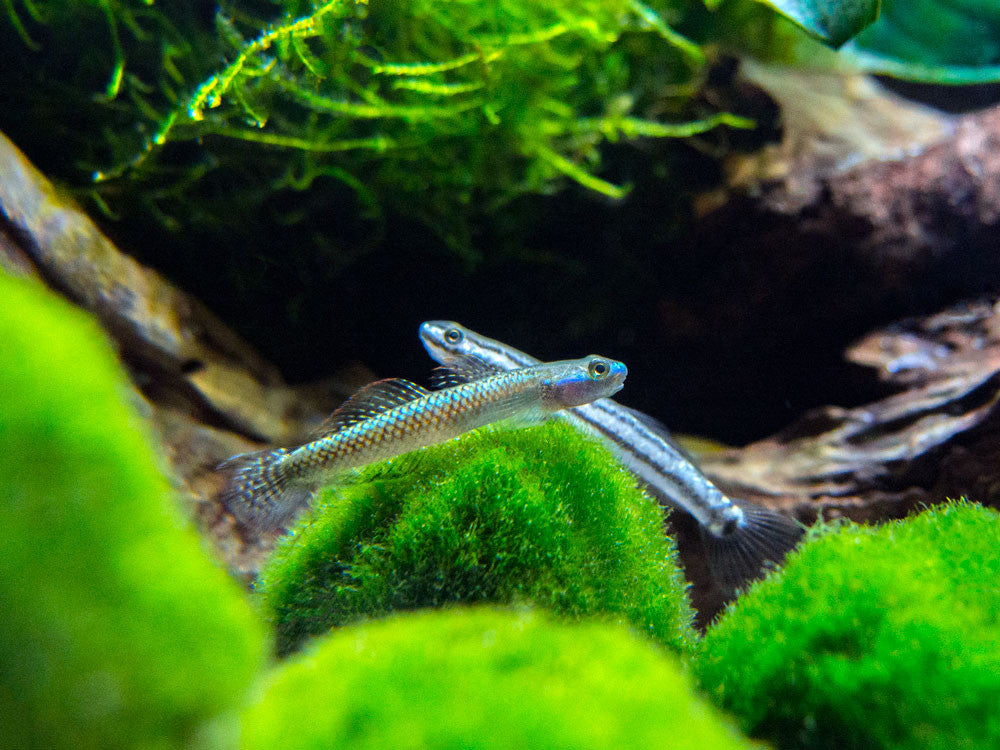
Credit: aquaticarts.com
Tank Mates and Compatibility
Neon gobies are peaceful fish. They do well with many other calm fish. Avoid big or aggressive fish that may harm them.
Good tank mates include:
- Clownfish
- Cardinalfish
- Small wrasses
- Other peaceful gobies
They can be shy around fast or aggressive fish. Keep the tank peaceful to reduce stress.
Neon gobies may be territorial. They often form pairs and defend their space. You can keep more than two, but watch for fights. Sometimes, they pair up and stay together.
Breeding Neon Gobies
Breeding neon gobies is possible in home tanks. They need good conditions and the right setup.
Here are some basics for breeding:
- Keep a pair or group of neon gobies.
- Provide plenty of flat surfaces for eggs.
- Keep water clean and stable.
- Feed the fish well with good food.
Neon gobies lay eggs on rocks or flat surfaces. The male guards the eggs until they hatch. Baby gobies are tiny and need special care.
Common Health Issues
Neon gobies can get sick if water is bad or food is poor. Watch for signs like:
- Loss of color
- Not eating
- Hiding too much
- White spots on the body
White spots may mean a parasite infection. Good water quality helps prevent disease. Quarantine new fish before adding them to the tank.
How Long Do Neon Gobies Live?
Neon gobies usually live 2 to 5 years in tanks. Proper care can help them live longer.
Keeping water clean and food good is key.