
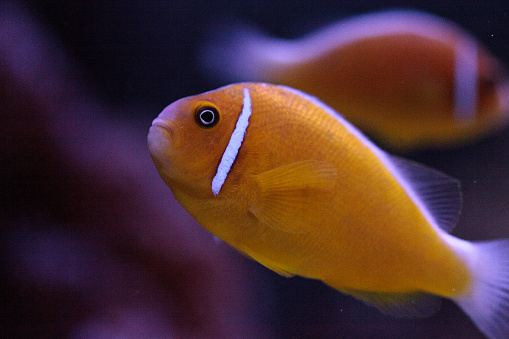
The Skunk Clownfish is a popular fish for saltwater tanks. It is easy to care for and peaceful. This guide will tell you how to keep your Skunk Clownfish happy and healthy.
What is a Skunk Clownfish?
The Skunk Clownfish is a small saltwater fish. It has a bright orange body with a white stripe running from its head to its tail. This stripe looks like a skunk’s tail, so it got its name.
Skunk Clownfish are found in warm ocean waters near coral reefs. They live with sea anemones, which protect them from predators.
Tank Size and Setup
Before you get a Skunk Clownfish, you need a good tank. The tank should be at least 20 gallons. This size gives the fish enough space to swim and explore.
A smaller tank is not good. The water can get dirty fast and the fish may get sick.
Tank Setup Checklist
- Minimum tank size: 20 gallons
- Saltwater with proper salinity (1.020-1.025)
- Good filter system
- Heater to keep water at 75-82°F (24-28°C)
- Live rock for hiding and cleaning water
- Optional: A sea anemone (if you want a natural home)
Water Quality and Parameters
Water quality is very important. Skunk Clownfish need clean water to stay healthy. You must check water often.
| Parameter | Ideal Range |
|---|---|
| Temperature | 75-82°F (24-28°C) |
| Salinity (Specific Gravity) | 1.020 – 1.025 |
| pH | 8.1 – 8.4 |
| Ammonia | 0 ppm |
| Nitrites | 0 ppm |
| Nitrates | < 20 ppm |
Use a good test kit to measure these levels. Change water weekly, about 10-15% each time.
Filtration and Aeration
Good filtration keeps the water clean. It removes waste and helps fish breathe.
Use a filter suitable for your tank size. Also, add an air stone or powerhead to keep water moving. Fish like fresh, oxygen-rich water.
Diet and Feeding
Skunk Clownfish are omnivores. They eat both plants and small animals. In the wild, they eat plankton, algae, and tiny crustaceans.
In your tank, feed them a mixed diet for best health.
What To Feed Your Skunk Clownfish
- High-quality marine pellets or flakes
- Frozen mysis shrimp or brine shrimp
- Chopped seafood like prawns or mussels
- Occasional vegetable matter or algae wafers
Feed small amounts two times a day. Remove any uneaten food to keep water clean.

Credit: www.youtube.com
Behavior and Temperament
Skunk Clownfish are calm and peaceful. They do not grow very big, so they are good for community tanks.
They can be shy at first but become curious over time. They may establish a small territory in the tank.
They get along with many other fish but avoid very aggressive species.
Tank Mates
Skunk Clownfish do well with peaceful fish. Good tank mates include:
- Damselfish
- Gobies
- Blennies
- Other small clownfish species
Avoid large or aggressive fish like lionfish or large wrasses. These may harm your clownfish.
Do Skunk Clownfish Need Anemones?
In nature, Skunk Clownfish live with sea anemones. The anemones protect them from predators.
In an aquarium, anemones are optional. They can be hard to keep and need special care.
If you choose to add an anemone, make sure your tank is stable and mature. The anemone must have good lighting and water flow.
If you do not have an anemone, provide lots of hiding spots with live rock. Your clownfish will still be happy.
Breeding Skunk Clownfish
Breeding Skunk Clownfish is possible in home tanks. They are born male and can change to female.
They form pairs naturally. When paired, they may lay eggs on flat surfaces.
Eggs hatch in about 6-8 days. The larvae need special care and food like baby brine shrimp.
Breeding is not easy for beginners but is rewarding.
Common Health Problems
Skunk Clownfish are hardy but can get sick if water is bad. Common problems include:
- Ich (white spots on body)
- Marine velvet
- Bacterial infections
- Fin rot
Good water quality and proper diet help prevent diseases. Quarantine new fish before adding to your tank.
Summary Table: Skunk Clownfish Care
| Care Aspect | Details |
|---|---|
| Tank Size | 20 gallons or larger |
| Water Temperature | 75-82°F (24-28°C) |
| Salinity | 1.020 – 1.025 |
| pH Level | 8.1 – 8.4 |
| Diet | Marine pellets, mysis shrimp, seafood |
| Temperament | Peaceful, good with other small fish |
| Tank Mates | Peaceful fish like gobies and blennies |
| Anemone Needed? | Optional, but good hiding spots needed |
Final Tips for Skunk Clownfish Care
- Keep water clean and stable.
- Feed a varied diet daily.
- Choose peaceful tank mates.
- Provide hiding places with live rock.
- Watch your fish for signs of illness.
- Be patient when introducing fish to a new tank.
Skunk Clownfish make great pets for new saltwater hobbyists. They are colorful, small, and easy to care for. Follow these simple steps to enjoy your fish for many years.
Frequently Asked Questions
Are Skunk Clownfish Aggressive?
Skunk clownfish are generally peaceful and not aggressive. They coexist well in reef tanks with non-aggressive species. Avoid housing them with overly aggressive fish to prevent stress. Their calm nature makes them ideal for community marine aquariums.
What Size Tank Does A Skunk Clownfish Need?
A skunk clownfish needs at least a 20-gallon tank for healthy growth and swimming space. Provide stable water conditions and hiding spots.
What Do Skunk Clownfish Eat?
Skunk clownfish eat a varied diet of high-quality marine pellets, frozen mysis or brine shrimp, and chopped seafood like prawns or mussels. They thrive on a balanced omnivorous diet that keeps them healthy and vibrant in reef aquariums.
How Long Do Skunk Clownfish Live?
Skunk clownfish live around 5 to 7 years in captivity with proper care. Good diet and stable tank conditions extend lifespan.
What Tank Size Is Ideal For Skunk Clownfish Care?
A 20-gallon tank is minimum; larger tanks provide more comfort and stability.
What Water Conditions Suit Skunk Clownfish Best?
Maintain temperature at 75-82°F, pH 8. 1-8. 4, and salinity 1. 020-1. 025.
What Diet Should Skunk Clownfish Have For Health?
Feed marine pellets, frozen mysis, brine shrimp, and chopped seafood regularly.
Are Skunk Clownfish Aggressive Toward Other Fish?
They are generally peaceful but may be bothered by aggressive tank mates.