
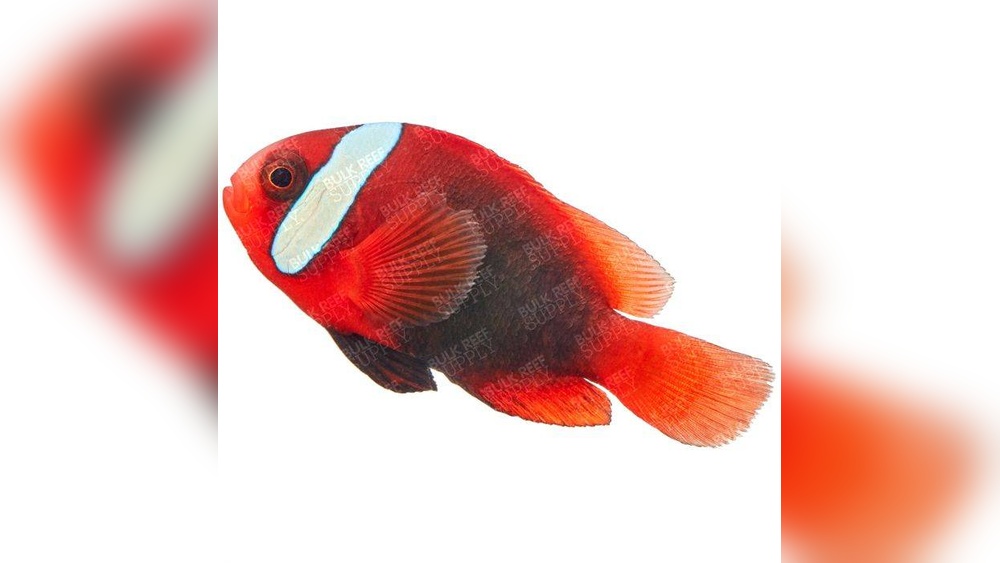
The cinnamon clownfish is a popular fish for saltwater aquariums. It has a bright orange body with black edges. Many aquarium lovers enjoy keeping this fish. It is known for being hardy and easy to care for. This guide will help you care for your cinnamon clownfish properly.
About the Cinnamon Clownfish
The cinnamon clownfish is also called the Coral Sea Clownfish. Its scientific name is Amphiprion melanopus. They come from the waters near New Caledonia and Australia. The fish has a strong and colorful look, making it attractive in aquariums.
One interesting fact is that female cinnamon clownfish are larger than males. This is called sexual dimorphism. Females can grow up to 5 inches long. Males are smaller, usually 3 to 4 inches.
Tank Size and Setup
Before getting a cinnamon clownfish, you need a suitable tank. The minimum tank size should be 30 gallons. This space allows your fish to swim freely and stay healthy.
Use a tank with a secure lid. Clownfish can jump sometimes. Add live rock and a sandy bottom to make the tank look like their natural home.
They often like to live near anemones. But anemones are not necessary. If you want to add anemones, make sure your tank has strong lighting and stable water conditions.
Tank Setup Checklist
- Minimum tank size: 30 gallons
- Live rock for hiding places
- Sandy or fine gravel substrate
- Good lighting, especially if using anemones
- Secure tank lid to prevent jumping
Water Parameters
Keeping the water clean and stable is very important. Cinnamon clownfish need saltwater with good quality.
| Parameter | Ideal Range |
|---|---|
| Temperature | 75°F to 82°F (24°C to 28°C) |
| pH Level | 8.1 to 8.4 |
| Salinity (Specific Gravity) | 1.020 to 1.025 |
| Ammonia | 0 ppm (parts per million) |
| Nitrite | 0 ppm |
| Nitrate | Less than 20 ppm |
Test the water regularly. Make small water changes every 1-2 weeks. This keeps the tank safe and clean.
Filtration and Water Movement
Good filtration is a must. It removes waste and keeps water clear. Use a filter made for saltwater tanks.
Also, provide moderate water flow. Too strong flow can stress the fish. A powerhead or wave maker can help create gentle movement.
Feeding Your Cinnamon Clownfish
Cinnamon clownfish are omnivores. They eat both plants and meat. Feed them a varied diet for good health.
Good food options include:
- High-quality marine pellets or flakes
- Frozen or live brine shrimp
- Frozen mysis shrimp
- Chopped seafood such as shrimp or fish
- Algae or seaweed sheets
Feed small amounts 2-3 times daily. Avoid overfeeding to prevent water pollution.
Temperament and Behavior
Cinnamon clownfish are semi-aggressive. They can defend their space well. They may chase smaller or timid fish.
They often form pairs or small groups. In the wild, the female is the dominant fish.
They are active swimmers and like to explore the tank.
Choosing Tank Mates
Choose tank mates carefully. Avoid very small or very passive fish. These may be bullied by cinnamon clownfish.
Good tank mates include:
- Other semi-aggressive saltwater fish
- Large peaceful fish
- Cleaner shrimp or snails
- Certain gobies and blennies
Do not keep cinnamon clownfish with very aggressive fish. This can cause fights and stress.
Breeding Cinnamon Clownfish
Breeding clownfish can be rewarding. They are protandrous hermaphrodites. This means males can turn into females.
Usually, the dominant fish becomes female. The second fish becomes male.
To breed, keep a healthy pair in a tank. Provide flat surfaces for egg laying.
After spawning, the male guards the eggs. Eggs hatch in about 6-8 days.
Raising baby clownfish (larvae) needs special care and food like rotifers or baby brine shrimp.
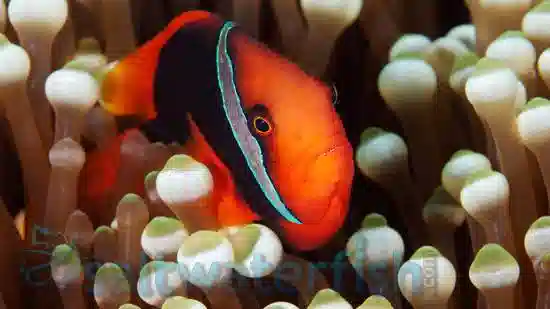
Credit: www.saltwaterfish.com
Common Health Issues
Cinnamon clownfish are hardy but can get sick. Watch for signs like:
- Faded colors
- Clamped fins
- Loss of appetite
- White spots or patches
- Erratic swimming
Common illnesses include marine ich and fin rot. Keep tank clean and stable to avoid these.
If fish gets sick, isolate it in a quarantine tank. Use medicine recommended for saltwater fish.
Tips for Success
- Buy fish from a trusted source, preferably captive-bred
- Acclimate fish slowly to new tank water
- Keep water parameters stable
- Feed a balanced diet regularly
- Observe fish daily for health signs
- Do not overcrowd the tank
- Perform regular water changes
Summary
The cinnamon clownfish is a colorful, hardy fish. It fits well in a 30-gallon or larger tank. They need clean saltwater with stable conditions. A varied diet keeps them healthy and active.
They show interesting social behavior and can be bred in captivity. Careful selection of tank mates prevents stress. Watching for health signs helps keep them safe.
With the right care, cinnamon clownfish live for many years. They bring life and color to your saltwater aquarium.
Frequently Asked Questions
How Long Do Cinnamon Clownfish Live?
Cinnamon clownfish typically live 6 to 10 years in a well-maintained aquarium. Proper care boosts their lifespan.
How Big Are Cinnamon Clownfish?
Cinnamon clownfish grow between 4 to 5 inches in length. Females are generally larger than males. They adapt well to aquarium life.
Are Clown Killifish Hard To Keep?
Clown killifish require stable water conditions and proper diet. They need a well-maintained tank to thrive but are manageable for attentive hobbyists.
How To Tell If A Clownfish Is Happy?
A happy clownfish shows bright colors, swims actively, and eats well. Its fins stay intact and move smoothly. Consistent, lively behavior signals good health and comfort.
What Tank Size Is Best For Cinnamon Clownfish?
A minimum of 20 gallons tank is ideal to keep Cinnamon Clownfish healthy.
What Water Parameters Suit Cinnamon Clownfish Best?
Keep water temperature 74-79°F, pH 8. 1-8. 4, and salinity 1. 020-1. 025.
What Diet Do Cinnamon Clownfish Need?
Feed a mix of pellets, flakes, and frozen foods like brine shrimp.
Are Cinnamon Clownfish Reef Safe?
Yes, Cinnamon Clownfish are generally reef safe with corals and anemones.