
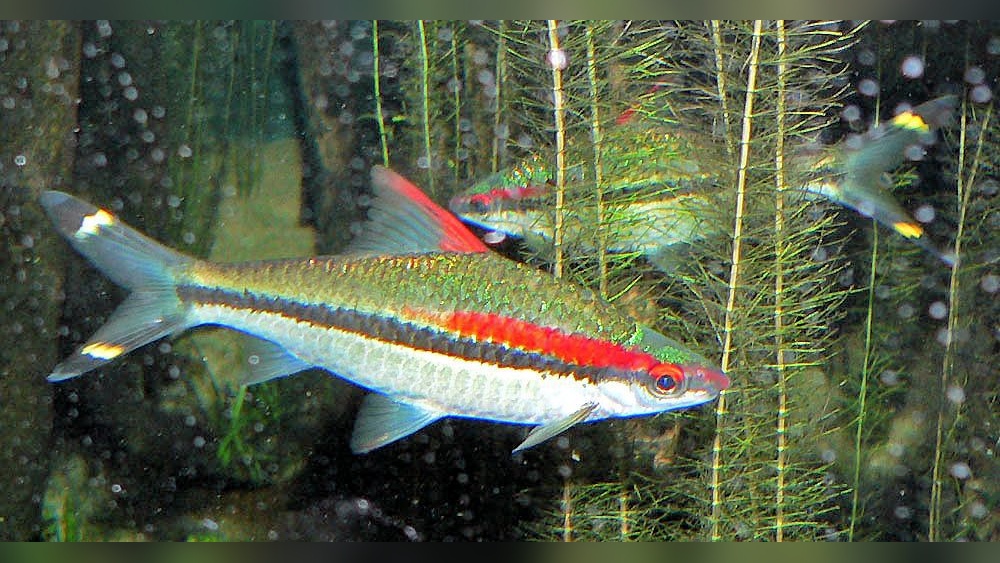
Denison Barbs are beautiful fish. They are also called Roseline Sharks. These fish come from rivers in India. Many people like to keep them in aquariums. But caring for Denison Barbs needs some knowledge. This guide will help you understand their needs.
What Are Denison Barbs?
Denison Barbs have a bright red line on their nose. Their body is silver with black and yellow marks. They look like little sharks. This makes them very special and popular in fish tanks.
These fish are active and fast swimmers. They need space to swim well. If they do not have enough space, they can get stressed.
Tank Size for Denison Barbs
Denison Barbs need a big tank. A small tank will not work well. It can cause problems like stress and illness.
| Tank Type | Minimum Size | Recommended Size |
|---|---|---|
| For 6 Denison Barbs | 30 gallons (114 liters) | 50 gallons (190 liters) or more |
A long tank is better than a tall one. It gives more space for swimming. Denison Barbs like to move in groups. They need room to do that.

Credit: www.aquariumsource.com
Schooling Behavior
Denison Barbs are schooling fish. This means they like to stay in groups. You should keep at least six of them together. Groups help them feel safe and happy.
Keeping fewer than six can cause stress. They may become shy or act strange. Groups also reduce aggression between fish.
Water Conditions for Denison Barbs
Denison Barbs come from clean, fast-moving rivers. We must try to copy this in the tank.
- Temperature: 72°F to 79°F (22°C to 26°C)
- pH Level: 6.5 to 7.5 (slightly acidic to neutral)
- Water Hardness: 5 to 15 dGH (soft to medium hard)
- Water Flow: Moderate to strong, to mimic river currents
Use a good filter to keep water clean. Clean water keeps fish healthy. Change 20% of water every week. This helps remove waste and toxins.

Credit: www.youtube.com
Feeding Denison Barbs
Denison Barbs eat many things. They are omnivores. This means they eat plants and animals.
Feed them with:
- High-quality flake food
- Pellets made for tropical fish
- Frozen or live foods like bloodworms and brine shrimp
- Vegetables like blanched spinach or zucchini
Feed small amounts twice a day. Do not overfeed. Extra food can pollute the tank.
Tankmates for Denison Barbs
Denison Barbs are peaceful fish. They get along with many other fish. But they need tankmates that swim well.
Good tankmates include:
- Other barbs
- Tetras
- Corydoras catfish
- Rainbowfish
Avoid slow, shy fish. Denison Barbs may stress them. Also, avoid fin-nippers or aggressive fish.
Behavior and Temperament
Denison Barbs are active and curious. They swim fast and explore their tank. They like to chase each other gently.
When kept in small groups or small tanks, they may compete for food. This can cause stress or minor fights.
They are not fin nippers. But crowded tanks may cause aggression. Give them enough space to avoid this.
Gender Differences
Telling male and female Denison Barbs apart is hard. They look very similar.
Sometimes males have brighter colors. Females may be rounder, especially when full of eggs.
It is easier to keep a group without worrying about gender. They live well together without problems.
Common Problems and How to Avoid Them
Denison Barbs can get sick if their care is poor. Common problems are:
- Stress: caused by small tanks or bad water
- Fin rot: from dirty water or injuries
- Ich: a parasite that causes white spots
To avoid problems, do this:
- Keep water clean and filtered
- Feed healthy food in the right amount
- Keep tank size big enough
- Keep fish in groups of six or more
Setting Up the Perfect Denison Barb Tank
Here is a simple checklist to start your Denison Barb tank:
| Step | What to Do |
|---|---|
| 1 | Choose a long tank of at least 50 gallons |
| 2 | Install a strong filter for clean water and flow |
| 3 | Set heater to keep temperature 72°F to 79°F |
| 4 | Use sand or fine gravel as tank bottom |
| 5 | Add plants and hiding places for comfort |
| 6 | Cycle the tank to prepare water before adding fish |
| 7 | Add at least six Denison Barbs at once |
| 8 | Feed small amounts twice a day |
| 9 | Change 20% of water weekly |
Why Choose Denison Barbs?
Denison Barbs are lively and colorful. They add beauty to your aquarium. Watching them swim in groups is fun.
They are not very hard to care for. But they need the right tank and care. If you give them space and clean water, they will thrive.
They also help beginners learn about fish care. They teach responsibility and patience.
Final Thoughts
Denison Barbs are great fish for many hobbyists. They need a big tank and good water. They like to be in groups. Feed them well and keep water clean.
Remember, a happy Denison Barb means a happy tank. Follow this guide and enjoy your fish for many years.
Frequently Asked Questions
How Many Denison Barbs Should Be Kept Together?
Denison Barbs thrive best in groups of six or more. Keeping them in odd numbers reduces aggression. Schooling ensures natural behavior and comfort.
What Size Tank Do Denison Barbs Need?
Denison Barbs need a minimum 55-gallon tank, ideally larger, with a long layout for swimming space. Keep at least six together.
Are Denison Barbs Fin Nippers?
Denison Barbs are not fin nippers. They stay peaceful if kept in spacious tanks with proper schooling groups.
What Is The Best Tank Mate For Denison Barbs?
The best tank mates for Denison Barbs are peaceful, similarly sized fish like danios, rainbowfish, and larger tetras. Avoid small or slow fish to prevent stress. Keep Denison Barbs in groups of six or more for harmony. Choose active swimmers to match their energy.
How Many Denison Barbs Should Be Kept Together?
Denison Barbs are schooling fish and should be kept in groups of six or more.
What Is The Ideal Tank Size For Denison Barbs?
A minimum of 30 gallons is needed, but 40 gallons or more is best for swimming.
What Water Conditions Do Denison Barbs Need?
They prefer clean, well-oxygenated water with temperatures between 72-79°F and a pH of 6. 5-7. 5.
What Do Denison Barbs Eat In An Aquarium?
They eat flake food, pellets, and enjoy live or frozen foods like bloodworms.