
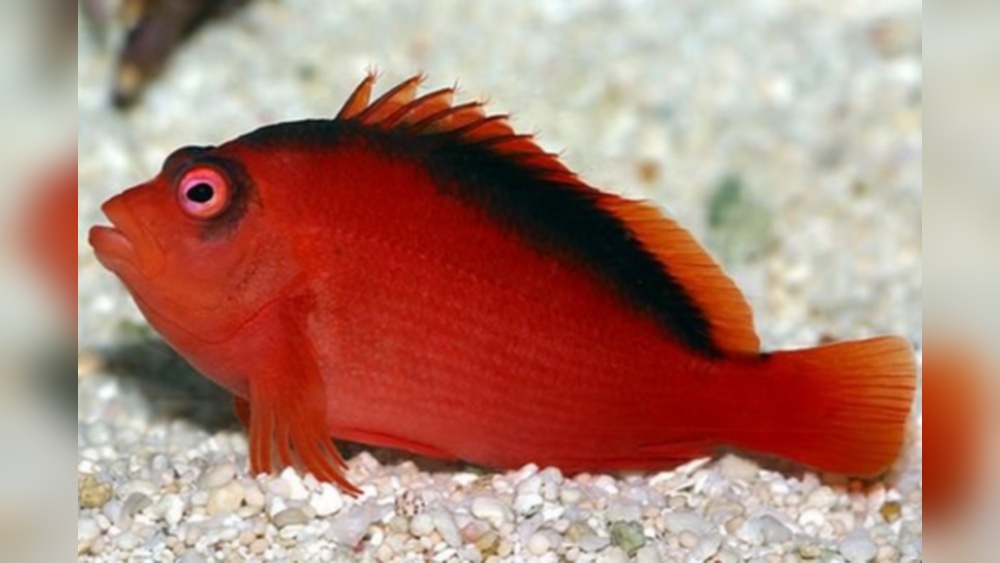
The Flame Hawkfish is a bright and lively fish. It adds color to any saltwater aquarium. If you want to keep one, you need to know how to care for it well. This guide will help you learn about Flame Hawkfish care in an easy way. Let’s dive in!
:strip_icc()/FlameHawkfish-8098481865_ffd7fc3eb3_k-59dd9ee40d327a0011628b8d.jpg)
Credit: www.thesprucepets.com
What Is a Flame Hawkfish?
The Flame Hawkfish is a small marine fish. It is famous for its bright red color. The fish is about 3 inches (7.5 cm) long. It lives in coral reefs in the wild. Its bright color makes it a favorite for many fish tank lovers.
Tank Size and Environment
To keep a Flame Hawkfish healthy, you need the right tank. A tank should be at least 30 gallons (about 114 liters). This size gives the fish space to swim and explore.
Here are the main points to remember for the tank:
- Tank size: Minimum 30 gallons.
- Water type: Saltwater only.
- Temperature: Keep water between 72°F and 78°F (22°C to 25.5°C).
- pH level: Maintain between 8.1 and 8.4.
- Salinity: 1.020 to 1.025 specific gravity.
- Live rock: Add plenty for hiding and perching.
Why Live Rock Matters
Flame Hawkfish like to sit on rocks. They watch their area from these spots. Live rock also helps fish feel safe. It creates hiding places. It also helps keep the water clean by hosting helpful bacteria.
Water Quality and Maintenance
Good water quality is key. Poor water can make your fish sick. Test water weekly for ammonia, nitrites, and nitrates. Keep ammonia and nitrites at zero. Nitrates should be low, below 20 ppm.
Change 10-20% of the water every week. This keeps the water fresh and clean. Use a good aquarium filter to remove waste. A protein skimmer can help too.
Feeding Your Flame Hawkfish
Flame Hawkfish are carnivores. They love meat foods like small fish and shrimp. In the tank, feed them a mix of frozen or live foods:
- Brine shrimp
- Mysis shrimp
- Small pieces of fish or squid
- Pellets designed for carnivorous marine fish
Feed your fish 1-2 times a day. Give only what they can eat in a few minutes. Remove extra food to keep the tank clean.
Behavior and Temperament
Flame Hawkfish are semi-aggressive. This means they can be mean sometimes. They may chase smaller fish and shrimp. They are hunters and like to catch small animals.
They are also very territorial. They like to control an area in the tank. They will protect their spot from other fish. This is why tank size and hiding spots are important.
How To Manage Aggression
- Keep only one Flame Hawkfish per tank.
- Do not keep them with small shrimp or snails.
- Introduce the Flame Hawkfish last into the tank.
- Provide plenty of rocks and places to hide.
- Choose tank mates that are bigger and not too shy.
Suitable Tank Mates
Choose fish that can live peacefully with Flame Hawkfish. Avoid small shrimp, crabs, and snails. These will be seen as food.
Good tank mates include:
- Clownfish
- Tangs
- Goby fish (larger species)
- Blennies (larger species)
Watch the fish closely when you add new tank mates. If the Flame Hawkfish acts too aggressive, you may need to separate them.
Health and Common Problems
Flame Hawkfish are hardy. They resist many diseases if cared for well. But poor water quality can cause illness. Watch for signs like:
- White spots on the body (ich)
- Loss of appetite
- Slow swimming or hiding too much
- Red or inflamed skin
If you see any signs, check water quality first. If needed, treat the fish with medicine for common fish diseases.
Breeding Flame Hawkfish
Breeding Flame Hawkfish in home tanks is hard. It needs special conditions and space. Most hobbyists do not breed them. Instead, they buy young fish from stores.
Summary Table: Flame Hawkfish Care
| Care Aspect | Details |
|---|---|
| Tank Size | Minimum 30 gallons |
| Water Type | Saltwater only |
| Temperature | 72°F to 78°F (22°C to 25.5°C) |
| pH Level | 8.1 to 8.4 |
| Salinity | 1.020 to 1.025 specific gravity |
| Diet | Carnivore: shrimp, fish, pellets |
| Temperament | Semi-aggressive, territorial |
| Tank Mates | Medium to large peaceful fish |
| Special Needs | Plenty of live rock for hiding |
Final Tips for Flame Hawkfish Care
- Be patient when introducing new fish.
- Keep the tank clean and well-maintained.
- Feed a varied diet for good health.
- Watch the fish daily for any signs of trouble.
- Respect the fish’s space to reduce stress.
Flame Hawkfish are beautiful and fun fish to keep. Their bright colors bring life to your aquarium. With the right care, they can live happily for years. Remember the basics: good water, proper food, and a peaceful home. Your Flame Hawkfish will thank you with its bright colors and active behavior.
Frequently Asked Questions
Are Flame Hawkfish Aggressive?
Yes, Flame Hawkfish are semi-aggressive. They chase smaller fish, shrimp, and bottom-dwellers. Provide ample space and rockwork to reduce territorial behavior.
How Big Do Flame Hawkfish Get?
Flame Hawkfish grow up to 3 inches (7. 5 cm) in length. They remain small, making them ideal for reef tanks.
Are Flame Hawkfish Good For Beginners?
Flame Hawkfish suit beginners due to hardiness but require careful tank mate selection. They can be semi-aggressive and need ample space. Provide a larger aquarium with plenty of hiding spots. Avoid small invertebrates and introduce them last to reduce aggression.
Keep only one per tank for best results.
What Do You Need For A Flame Hawkfish?
Flame Hawkfish needs a tank of at least 30 gallons with ample live rock for hiding and perching. Avoid small invertebrates as tank mates. Maintain stable water parameters and feed carnivorous diet. Keep only one to reduce aggression.
What Tank Size Is Best For Flame Hawkfish Care?
A tank of at least 30 gallons is ideal to provide space and reduce aggression.
Are Flame Hawkfish Aggressive Towards Other Fish?
Yes, they are semi-aggressive and may chase smaller fish or invertebrates.
What Diet Should I Feed My Flame Hawkfish?
Feed carnivore foods like small crustaceans, shrimp, and frozen meaty foods.
Can Flame Hawkfish Live With Shrimp Or Snails?
No, they may eat small invertebrates like shrimp and snails in the tank.