
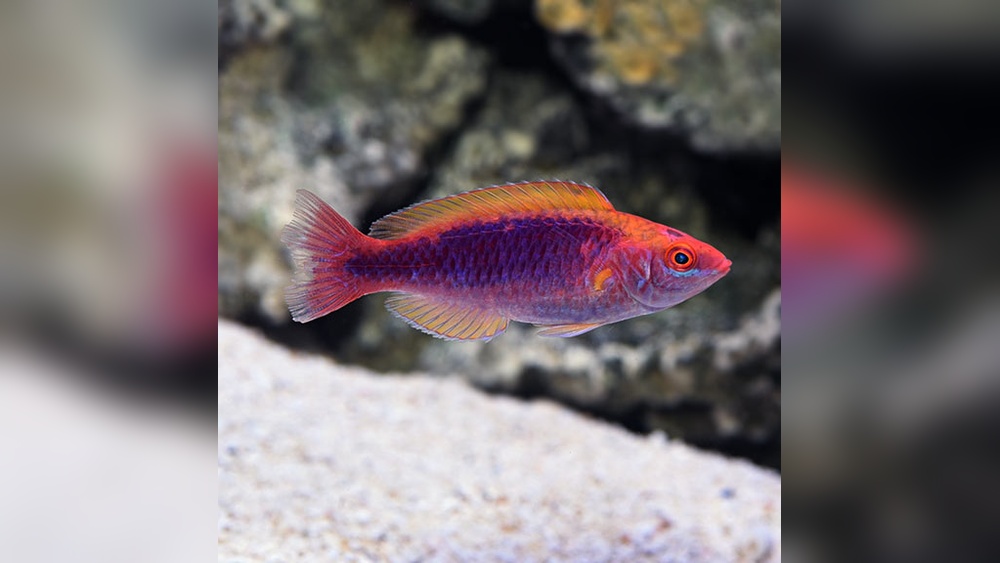
The Lubbock’s Wrasse, also known as the Lubbock’s Fairy Wrasse, is a beautiful fish. It is popular in saltwater aquariums. Many fish lovers enjoy keeping it because of its bright colors and friendly nature. If you want to keep a Lubbock’s Wrasse, you need to know how to care for it properly.
What is a Lubbock’s Wrasse?
The Lubbock’s Wrasse is a small saltwater fish. It has bright, many-colored scales. This fish is peaceful and active. It swims all day and loves to explore its tank. The Lubbock’s Wrasse comes from coral reefs in the ocean. It is a reef-safe fish, which means it does not harm corals or other animals in the tank.
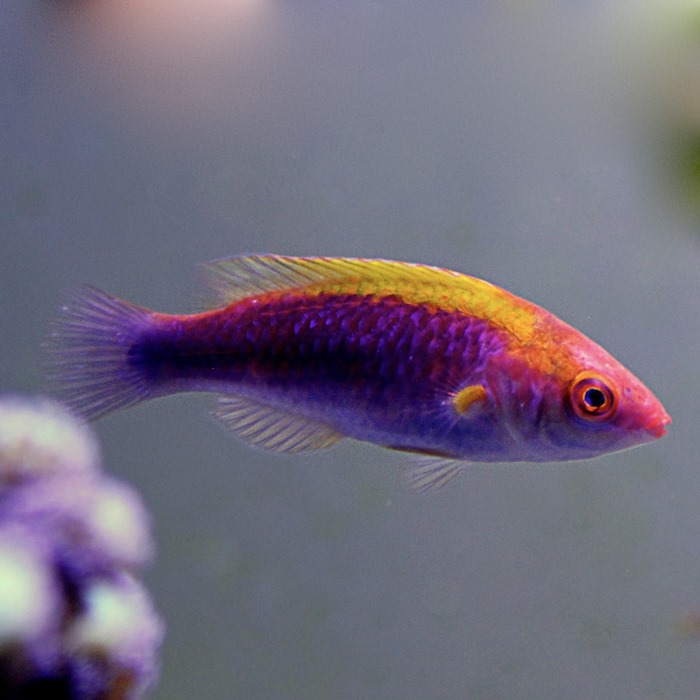
Credit: www.rockncritters.co.uk
Tank Size and Setup
Before buying a Lubbock’s Wrasse, you need the right tank. The tank should be big enough for the fish to swim freely.
- Minimum tank size: 30 gallons (about 114 liters)
- Tank shape: Long and wide is better than tall
- Place rocks and hiding spots for the fish
The fish likes to hide under rocks or in sand when scared or sleeping. Make sure you add some sand at the bottom of the tank. The Lubbock’s Wrasse is also known to jump out of the tank. So, a tight-fitting lid or canopy is very important to keep the fish safe.
Water Conditions
Good water quality is very important for the health of the Lubbock’s Wrasse. Here are the best water conditions:
| Parameter | Ideal Range |
|---|---|
| Temperature | 74°F to 78°F (23°C to 26°C) |
| pH | 8.1 to 8.4 |
| Salinity | 1.020 to 1.025 specific gravity |
| Ammonia and Nitrite | 0 ppm (parts per million) |
| Nitrate | Less than 20 ppm |
Use a good filter to keep the water clean. Change 10% to 15% of the water every week. This helps remove waste and keeps the fish healthy.
Feeding the Lubbock’s Wrasse
The Lubbock’s Wrasse is a carnivore. It likes to eat small, meaty foods. You must give it a balanced diet. Good food choices include:
- Frozen mysis shrimp
- Frozen brine shrimp
- Small pieces of fish or shrimp
- Vitamin-enriched foods for better health
Feed your fish two to three times a day. Give only as much food as it can eat in three minutes. Remove any leftover food to avoid water pollution.
Behavior and Compatibility
Lubbock’s Wrasse is peaceful and friendly. It gets along well with most fish. It does not attack or bother other fish or coral animals. This makes it a good choice for reef tanks.
However, avoid keeping it with very large or aggressive fish. They may bully or harm the wrasse. Also, it is best to keep only one male Lubbock’s Wrasse in the tank. Males can fight if you keep more than one together.
Special Care Tips
- Always keep a cover on your tank. The wrasse likes to jump.
- Provide hiding places with live rock and sand.
- Keep water stable and clean for best health.
- Watch your fish daily for signs of illness.
- Use a good quality salt mix for water changes.
Common Issues and How to Solve Them
Like all fish, the Lubbock’s Wrasse can face health problems. Here are some common issues and tips:
| Problem | Signs | Solution |
|---|---|---|
| Jumping out of tank | Missing fish | Use a tight lid or cover |
| Stress | Hiding a lot, not eating | Check water quality and tank mates |
| Ich (white spots) | White spots on body and fins | Use saltwater ich treatment |
| Poor water quality | Cloudy water, fish gasping | Perform water changes, check filter |
Why Choose Lubbock’s Wrasse?
This fish is a great choice for beginners and experts. It is colorful and lively. It does not harm corals or small tank animals. The Lubbock’s Wrasse is also hardy. It can adapt to many aquarium conditions if care is good.
Its peaceful nature makes it easy to keep with other fish. Its small size means it does not need a giant tank. But remember, the tank must be big enough for swimming and hiding.
Summary of Lubbock’s Wrasse Care
| Tank Size | 30 gallons or more |
| Water Temperature | 74°F to 78°F (23°C to 26°C) |
| pH Level | 8.1 to 8.4 |
| Salinity | 1.020 to 1.025 specific gravity |
| Diet | Frozen mysis shrimp, brine shrimp, meaty foods |
| Behavior | Peaceful, reef safe |
| Tank Mates | Other peaceful fish, no large aggressive fish |
| Special Care | Cover tank, clean water, hiding spots |
Final Thoughts
The Lubbock’s Wrasse is a great addition to saltwater tanks. It brings color and life to your aquarium. With the right care, it will live happily for years. Remember to provide good water, food, and a safe tank. Watch your fish and keep the environment clean. This way, your Lubbock’s Wrasse will stay healthy and active.
Start your journey with this lovely fish today. Enjoy the beauty and calm it brings to your home aquarium.
Frequently Asked Questions
How Do You Take Care Of A Lubbock’s Wrasse?
Lubbock’s wrasse thrives in a reef-safe tank with plenty of hiding spots. Feed vitamin-enriched frozen mysis or brine shrimp. Provide a tight-fitting lid to prevent jumping. Maintain stable water conditions and moderate flow. This hardy, peaceful fish adapts well to community saltwater aquariums.
What Size Tank For Lubbock’s Fairy Wrasse?
A 30-gallon tank suits Lubbock’s fairy wrasse well. Provide ample swimming space and a secure lid to prevent jumping.
Are Wrasses Hard To Keep In Aquariums?
Wrasses vary in difficulty; some are easy, like Lubbock’s Fairy Wrasse, which is hardy and reef safe. Provide a secure lid to prevent jumping. Regular feeding of meaty foods and proper tank size ensures their health and happiness.
Are Lubbock’s Wrasse Reef Safe?
Lubbock’s wrasse is reef safe and peaceful. It won’t harm fish, corals, or invertebrates. Use a tight-fitting lid to prevent jumping.
What Tank Size Is Ideal For Lubbock’s Wrasse Care?
A minimum 30-gallon tank suits Lubbock’s Wrasse for healthy swimming space.
Is Lubbock’s Wrasse Reef Safe For Community Tanks?
Yes, it is reef safe and won’t harm corals or invertebrates.
What Diet Should I Feed Lubbock’s Wrasse Regularly?
Feed vitamin-enriched frozen mysis shrimp, brine shrimp, and other meaty foods.
How Difficult Is It To Keep Lubbock’s Wrasse In Aquariums?
Lubbock’s Wrasse is hardy and easier to care for than many wrasses.