
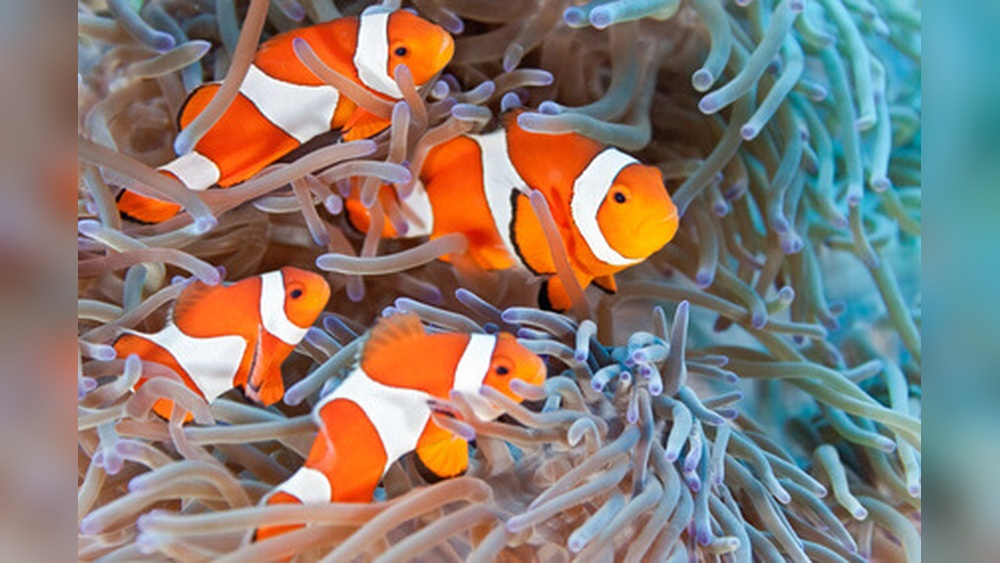
The Ocellaris clownfish is a popular saltwater fish. Many people love their bright orange color and white stripes. They are also called “false percula clownfish.”
This fish is easy to care for. It is a good choice for beginners. If you want a small saltwater fish, the Ocellaris clownfish is perfect.
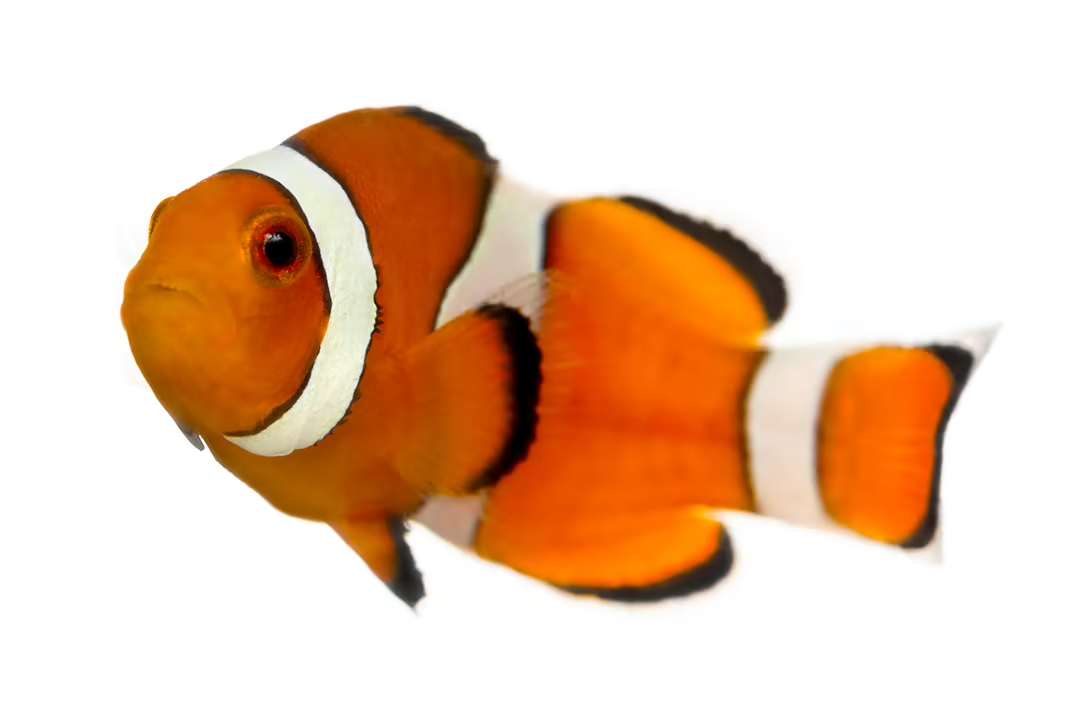
Credit: wilsonhand.com
What Is an Ocellaris Clownfish?
The Ocellaris clownfish lives in warm ocean waters. It is found near coral reefs in the Pacific Ocean and Indian Ocean. It has a friendly look with three white bands on its body.
They are small fish. An adult grows about 3 to 4 inches long. They often live with sea anemones. The anemone protects them from predators. The clownfish helps the anemone by cleaning it.
Setting Up the Right Tank
A good tank is very important for clownfish care. You need to pick the right size and equipment.
Tank Size
For one Ocellaris clownfish, a tank of at least 20 gallons is best. This gives enough space to swim and helps keep water clean.
If you want two clownfish, choose a tank of 30 gallons or more. Two clownfish live well together if the tank is big enough.
Why a bigger tank? A larger tank keeps water stable. It also gives the fish more room to swim.
| Number of Fish | Tank Size (Gallons) | Reason |
|---|---|---|
| One fish | 20 gallons | Space to swim and stable water |
| Pair of fish | 30 gallons or more | Enough room for two fish |
| More fish or corals | 50 gallons or more | Room for all tank inhabitants |
Tank Equipment
Here are the important tools you need:
- Filter: Keeps the water clean by removing waste.
- Heater: Keeps water at 75-82°F (24-28°C).
- Lighting: Full-spectrum light helps fish and any live plants.
- Water test kit: Checks water quality, like pH and ammonia levels.
- Salt mix: Used to make saltwater for the tank.
- Water conditioner: Removes harmful chemicals from tap water.
- Decorations: Rocks and fake anemones for fish hiding places.
Water Conditions for Ocellaris Clownfish
Good water quality is key to keeping clownfish healthy. Here are the ideal water settings:
| Temperature | 75°F to 82°F (24°C to 28°C) |
| Salinity | 1.020 to 1.025 specific gravity |
| pH | 8.1 to 8.4 |
| Ammonia, Nitrite | 0 ppm (parts per million) |
| Nitrate | Less than 20 ppm |
Check water weekly with a test kit. Change about 10-20% of the water every two weeks. This keeps the tank clean.
Feeding Ocellaris Clownfish
Ocellaris clownfish eat many types of food. They like both dry and frozen foods.
Feed them small amounts twice a day. Do not overfeed. Remove any uneaten food after a few minutes.
Types Of Food
- Flake food made for saltwater fish
- Pellets designed for marine fish
- Frozen brine shrimp or mysis shrimp
- Small pieces of chopped seafood
Variety is good. It helps keep the fish healthy and colorful.
Tank Mates and Compatibility
Ocellaris clownfish are peaceful but can be territorial. They usually do well with other small, calm fish.
Avoid big or aggressive fish. These can hurt or stress the clownfish.
Good Tank Mates
- Gobies
- Blennies
- Small wrasses
- Other peaceful clownfish species
Not Good Tank Mates
- Large angelfish
- Aggressive tangs
- Large predatory fish
Decor and Anemones
Ocellaris clownfish often live with anemones in the wild. Anemones protect them from danger. The fish clean the anemone in return.
You can add anemones to your tank. But they need special care. They require strong lighting and stable water.
If you don’t want anemones, use fake anemones or live rocks. These give hiding places and make fish feel safe.
Health and Common Problems
Ocellaris clownfish are hardy but can get sick. Watch for signs like:
- Loss of color
- Not eating
- Breathing fast
- White spots on the body
These may mean illness or poor water quality. Test water and do partial water changes if needed.
If fish looks sick, isolate it in a small tank. Use saltwater medicine made for fish.
Breeding Ocellaris Clownfish
Breeding clownfish is fun but needs care. A male and female pair will lay eggs on flat surfaces.
They guard the eggs until they hatch. Eggs take about 6 to 8 days to hatch.
Raising baby clownfish requires special food and clean water. It is for experienced fish keepers.
Summary: Key Points for Ocellaris Clownfish Care
- Use a tank of 20 gallons or more for one fish.
- Keep water temperature between 75°F and 82°F.
- Maintain saltwater with proper salinity and pH.
- Feed a mix of flakes, pellets, and frozen food twice daily.
- Choose peaceful tank mates to avoid stress.
- Use good filtration and do regular water changes.
- Watch fish for signs of illness and act quickly.
The Ocellaris clownfish is a great choice for your home aquarium. They are bright, friendly, and easy to care for. Follow this guide and your fish will stay healthy for many years.
Frequently Asked Questions
Are Ocellaris Clownfish Easy To Care For?
Ocellaris clownfish are easy to care for, hardy, and suitable for beginners. They thrive in well-maintained saltwater tanks.
What Do Clownfish Need In A Tank?
Clownfish need a saltwater tank of at least 20 gallons for stability. Provide a good filter, heater, and live rock. Use quality salt mix, test water regularly, and supply full-spectrum lighting. Feed varied dry and frozen foods. Maintain clean, stable water conditions for their health and happiness.
How Many Gallons For 2 Clownfish?
Two clownfish need at least a 20-gallon tank for healthy swimming space and stable water conditions. Choose larger tanks for better stability and growth.
What Size Tank Does An Ocellaris Clownfish Need?
An ocellaris clownfish needs at least a 20-gallon tank for a single fish. A pair requires 30 gallons or more. Larger tanks ensure stable water quality and healthier fish.
What Is The Ideal Tank Size For Ocellaris Clownfish?
A 20-gallon tank is best for one or a pair of Ocellaris clownfish.
How Often Should I Feed My Ocellaris Clownfish?
Feed them small amounts 2-3 times daily with varied marine fish food.
What Water Temperature Suits Ocellaris Clownfish Best?
Maintain water temperature between 74°F and 79°F for healthy fish.
Can Ocellaris Clownfish Live With Other Fish?
Yes, they usually get along with peaceful saltwater species in a community tank.