
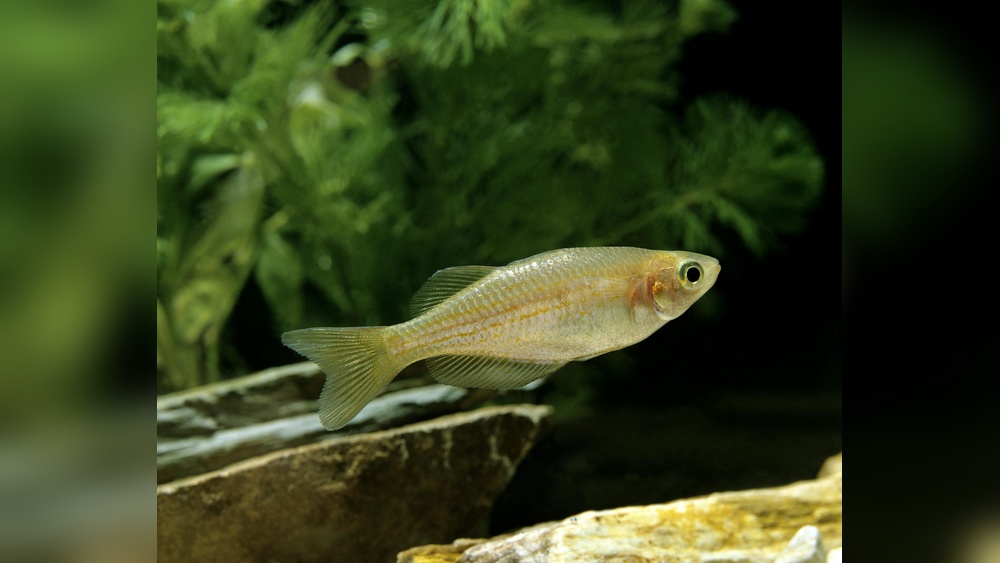
The Pearl Danio is a small, colorful fish. It is popular among fish lovers worldwide. This fish is easy to keep and looks beautiful in home aquariums. If you want a peaceful fish that swims actively, the Pearl Danio is a good choice.
About Pearl Danio
Pearl Danios are small freshwater fish. They come from rivers and streams in Southeast Asia. They have shiny, pearl-like spots on their body. This gives them their name. Pearl Danios are also called Celestial Pearl Danios or Galaxy Rasboras.
These fish grow up to 1 inch (2.5 cm) long. They are calm and friendly. They do well in groups and like to swim together. This makes them great for community tanks.
Tank Setup for Pearl Danio
Setting up the right tank is very important for Pearl Danio care. They need clean water and enough space to swim.
| Tank Aspect | Recommendation |
|---|---|
| Tank Size | At least 10 gallons (38 liters) |
| Water Temperature | 22-26°C (72-79°F) |
| Water pH | 6.5 to 7.5 |
| Water Hardness | Soft to moderately hard (5-15 dGH) |
| Lighting | Moderate to low |
| Substrate | Fine gravel or sand |
| Plants | Live plants preferred |
Pearl Danios like a planted tank. Plants give hiding places and make fish feel safe. You can add plants like Java moss, Anubias, or hornwort. These plants also help keep water clean.
Water Quality and Maintenance
Good water quality is key to Pearl Danio health. These fish do not like dirty water. Change 20-30% of water every week. Use a water conditioner to remove chlorine and harmful chemicals.
Keep the tank filter running all the time. A good filter cleans the water and provides oxygen. Do not use strong filters that create too much current. Pearl Danios prefer gentle water flow.
Feeding Pearl Danios
Pearl Danios are omnivores. They eat both plants and small animals. In the wild, they eat algae, small insects, and tiny water creatures.
In your tank, feed them a varied diet. This keeps them healthy and colorful.
- High-quality flake food
- Micro pellets
- Frozen or live brine shrimp
- Bloodworms (frozen or live)
- Algae wafers occasionally
Feed small amounts 2-3 times daily. Do not overfeed. Remove uneaten food after 5 minutes. This keeps water clean and fish healthy.
Tank Mates for Pearl Danios
Pearl Danios are peaceful fish. They do well with other small, calm fish. Avoid big or aggressive fish that may bully them.
Good tank mates include:
- Neon Tetras
- Corydoras Catfish
- Small Rasboras
- Small Shrimp
- Otocinclus Catfish
Keep Pearl Danios in groups of 6 or more. They feel safe and show natural behavior when in groups. A group also reduces stress and keeps the fish active.
Breeding Pearl Danios
Breeding Pearl Danios can be fun. They are egg scatterers. They lay eggs on plants or tank surfaces. The parents do not care for eggs. Sometimes, they eat the eggs too.
To breed Pearl Danios:
- Set up a separate breeding tank with soft water.
- Add fine-leaved plants or spawning mops.
- Feed the parents live or frozen foods to boost health.
- When eggs are laid, remove the parents to protect eggs.
- Keep water clean and stable during hatching.
Eggs hatch in about 2-3 days. Baby fish (fry) eat tiny food like infusoria or special fry food. Feed small amounts many times a day.
Common Problems and How to Avoid Them
Pearl Danios are hardy fish but can get sick if care is poor. Here are common issues and tips:
| Problem | Cause | Solution |
|---|---|---|
| Ich (White Spot Disease) | Poor water quality or new infected fish | Quarantine new fish, keep water clean, use medicine |
| Fin Rot | Dirty water, stress, or injury | Change water regularly, reduce stress, treat with antibiotics |
| Swim Bladder Issues | Overfeeding or bad diet | Feed smaller amounts, use high-quality food |
| Stress | Wrong tank mates, poor environment | Choose peaceful tank mates, provide hiding spots |
Keep an eye on your fish daily. Watch for changes in behavior or appearance. Early action can save your fish.
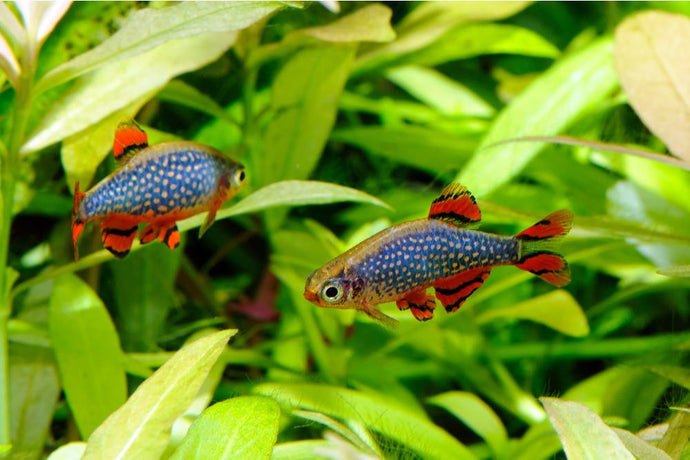
Credit: www.aquariumcoop.com

Credit: www.aquariumcoop.com
Summary: How to Care for Pearl Danios
- Use a 10-gallon or bigger tank with clean water.
- Keep water temperature between 22-26°C (72-79°F).
- Maintain pH around 6.5-7.5.
- Add live plants for hiding and comfort.
- Feed a varied diet of flakes and live or frozen food.
- Keep Pearl Danios in groups of 6 or more.
- Choose peaceful tank mates.
- Change 20-30% water weekly and use a filter.
- Watch for signs of illness and act fast.
With simple care, Pearl Danios live 3-5 years. They bring color and life to your aquarium. Enjoy watching their active swimming and social behavior. Pearl Danios are perfect for beginners and experts alike.
Final Thoughts
Caring for Pearl Danios is simple and rewarding. They are small but full of life. Their bright colors and peaceful nature make them a favorite. Remember to keep water clean and feed well. Provide a good home, and they will thrive.
Now, you have all the basics for Pearl Danio care. Start your aquarium journey today. Watch your Pearl Danios grow happy and healthy!
Frequently Asked Questions
How Many Pearl Danios Should Be Kept Together?
Keep at least 6 Pearl Danios together to ensure they feel secure and display natural schooling behavior.
Do Pearl Danios Need A Heater?
Pearl danios thrive between 72-78°F (22-26°C). A heater is recommended in cooler or fluctuating temperatures to maintain stability.
What Is The Lifespan Of A Pearl Danio?
Pearl Danios typically live 3 to 5 years in a well-maintained aquarium. Proper care extends their lifespan.
Do Pearl Danios Prefer Planted Tanks?
Pearl danios prefer planted tanks with open swimming areas. Plants provide hiding spots and improve water quality, enhancing their well-being.
How Many Pearl Danios Should Be Kept Together?
Pearl Danios are schooling fish and should be kept in groups of at least 6.
Do Pearl Danios Need A Heater In Their Tank?
They prefer temperatures between 72-78°F, so a heater is recommended in cooler environments.
What Is The Typical Lifespan Of A Pearl Danio?
Pearl Danios usually live 3 to 5 years with proper care and tank conditions.
Do Pearl Danios Prefer Planted Or Bare Tanks?
They thrive best in well-planted tanks that offer hiding spots and open swimming areas.