
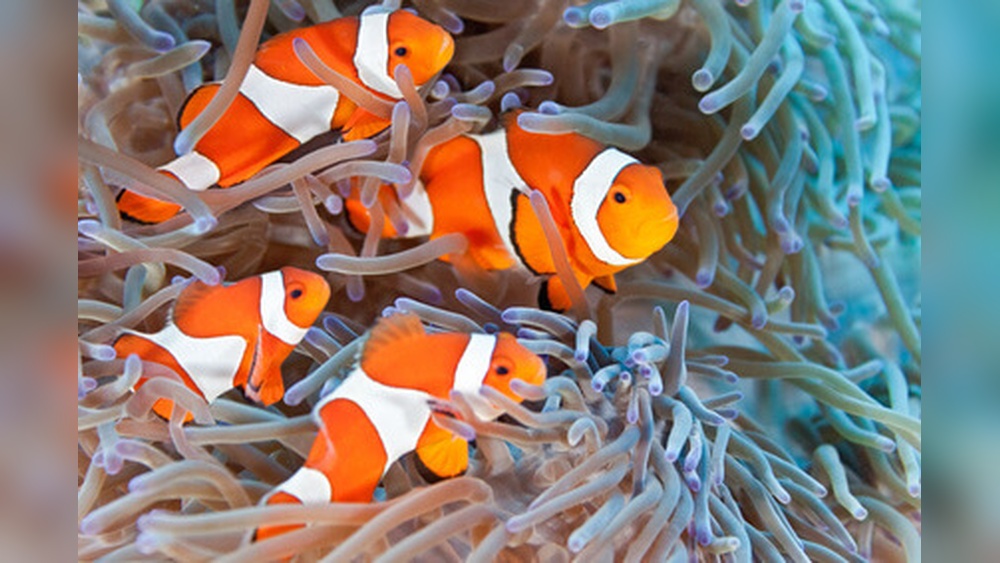
Percula clownfish are colorful and friendly fish. Many people love to keep them in home aquariums. They are easy to care for and look great. This guide will help you learn how to care for Percula clownfish well.
What is a Percula Clownfish?
Percula clownfish are small saltwater fish. They have bright orange bodies with white stripes. These fish live in warm ocean waters near coral reefs. They often hide in sea anemones to stay safe. Percula clownfish are also called “true clownfish.”
Why Choose Percula Clownfish?
- Easy to care for: They adapt well to aquarium life.
- Peaceful nature: They get along with many other fish.
- Beautiful colors: Their bright orange and white stripes are eye-catching.
- Small size: They do not need very large tanks.
Tank Size and Setup
To keep Percula clownfish happy, tank size matters. A tank that holds at least 20 gallons is best. This size gives the fish enough space to swim and live comfortably.
| Tank Size | Number of Percula Clownfish | Notes |
|---|---|---|
| 20 gallons | 1-2 | Good for a small pair or single fish |
| 30-40 gallons | 2-3 | More space for small groups and tank mates |
| 50+ gallons | 3 or more | Best for community tanks with many species |
The tank needs clean water. Use a good filter to keep water clear. Change about 10-20% of the water every week. This keeps the tank healthy.
Water Conditions
Percula clownfish need saltwater with the right conditions. Keep these values steady:
- Temperature: 74 to 80 °F (23 to 27 °C)
- pH Level: 8.0 to 8.4
- Salinity: 1.020 to 1.025 specific gravity
- Ammonia and Nitrite: 0 ppm (zero)
- Nitrate: Below 20 ppm
Test water regularly with aquarium kits. This helps spot problems early.
Tank Decorations and Anemones
Percula clownfish like hiding places. Add live rocks or coral to the tank. These offer shelter and climbing spots.
Many clownfish live with sea anemones in the ocean. In a home aquarium, anemones can be added but need special care. Anemones need strong light and good water flow. If you want an anemone, research how to care for it well.
Feeding Percula Clownfish
Good food helps clownfish stay healthy. They eat meat and plant-based food. Give them a mix of these:
- Frozen or live brine shrimp
- Frozen mysis shrimp
- Flake or pellet food made for marine fish
- Algae or seaweed sheets
Feed small amounts 2-3 times a day. Do not give too much food. Leftover food can pollute the water.

Credit: reefchasers.com
How to Tell if Your Clownfish is Healthy
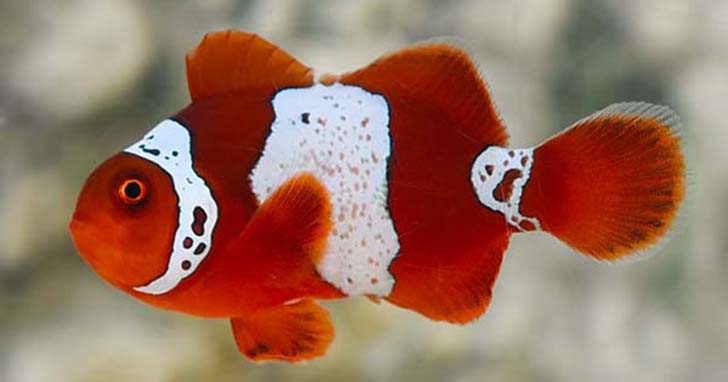
Watch your fish closely. Healthy clownfish show these signs:
- Bright orange color with clear white stripes
- Fins fully open and moving evenly
- Active swimming around the tank
- Eats food eagerly
- No signs of spots or wounds
Credit: www.liveaquaria.com
Choosing Tank Mates
Percula clownfish are peaceful. They live well with many other fish. Good tank mates include:
- Gobies
- Blennies
- Damsels
- Small wrasses
Avoid big or aggressive fish. They may hurt the clownfish.
Breeding Percula Clownfish
Breeding clownfish is possible in home tanks. They form pairs naturally. The female lays eggs on flat surfaces. The male guards the eggs until they hatch.
To breed them, keep the water clean and stable. Provide hiding spots. The eggs hatch in about 6-10 days.
Common Problems and How to Fix Them
Sometimes, clownfish get sick or stressed. Here are some common issues:
| Problem | Signs | Solution |
|---|---|---|
| Stress | Hiding, not eating, dull color | Check water quality, reduce tank crowding |
| Ich (white spots) | White dots on body and fins | Use aquarium salt or medicine |
| Fin rot | Fins look ragged or torn | Improve water, add antibacterial treatment |
Tips for New Percula Clownfish Owners
- Buy fish from a trusted store or breeder.
- Introduce fish slowly to the tank.
- Keep the water stable and clean.
- Feed a varied diet for good health.
- Watch your fish daily for any changes.
Frequently Asked Questions
Are Percula Clownfish Good For Beginners?
Percula clownfish suit beginners due to their hardiness, peaceful nature, and easy care requirements. They adapt well to home aquariums.
What Do Percula Clownfish Eat?
Percula clownfish eat a varied diet including brine shrimp, mysis shrimp, algae, and high-quality pellet or flake foods. Feed them small amounts twice daily for best health.
What Size Tank Does A Percula Clownfish Need?
A percula clownfish needs a minimum tank size of 20 gallons. This space ensures healthy growth and swimming freedom. Choose a well-filtered, stable environment for best results.
How Do I Tell If My Clownfish Are Happy?
Happy clownfish display bright colors, swim actively, eat well, and have intact fins with smooth movements. They explore their tank confidently.
What Tank Size Is Ideal For Percula Clownfish Care?
A minimum 20-gallon tank provides enough space for one or a pair of Percula Clownfish.
What Water Conditions Suit Percula Clownfish Best?
Maintain temperature 74-79°F, pH 8. 1-8. 4, and salinity 1. 020-1. 025 for healthy fish.
What Do Percula Clownfish Eat In Captivity?
Feed a mix of pellets, flakes, and frozen foods like brine shrimp or mysis shrimp.
How Often Should I Feed Percula Clownfish?
Feed small amounts two to three times daily to keep them healthy and active.
Conclusion
Percula clownfish are great pets for saltwater aquariums. They are colorful, peaceful, and easy to care for. With the right tank size, clean water, and good food, they will thrive. Remember to choose compatible tank mates and watch for signs of health. Enjoy your clownfish and the beauty they bring to your home.