
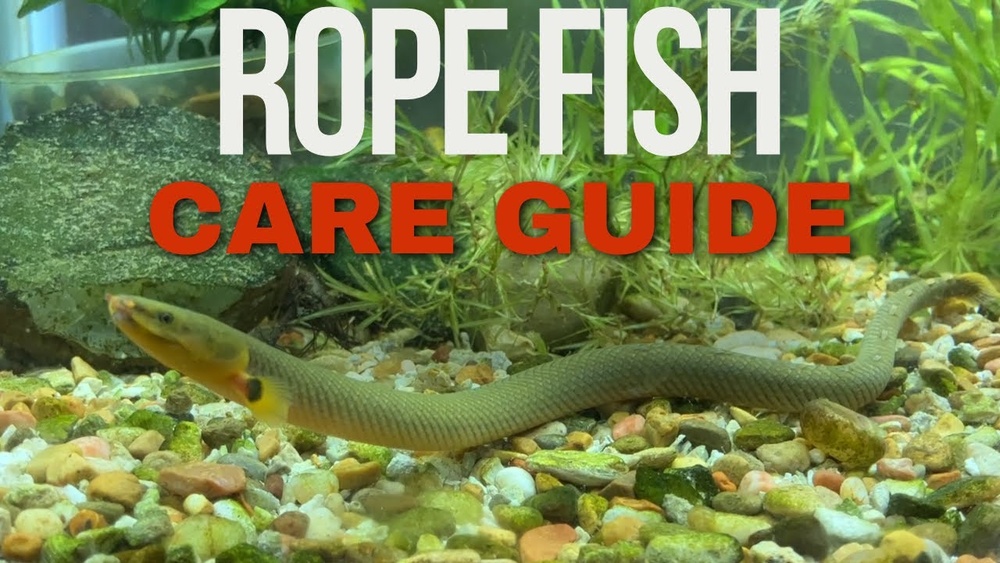
Rope fish are interesting and unique pets. They look like long snakes but are fish. Many people want to keep them in home aquariums. This guide will help you care for rope fish well.
What Is a Rope Fish?
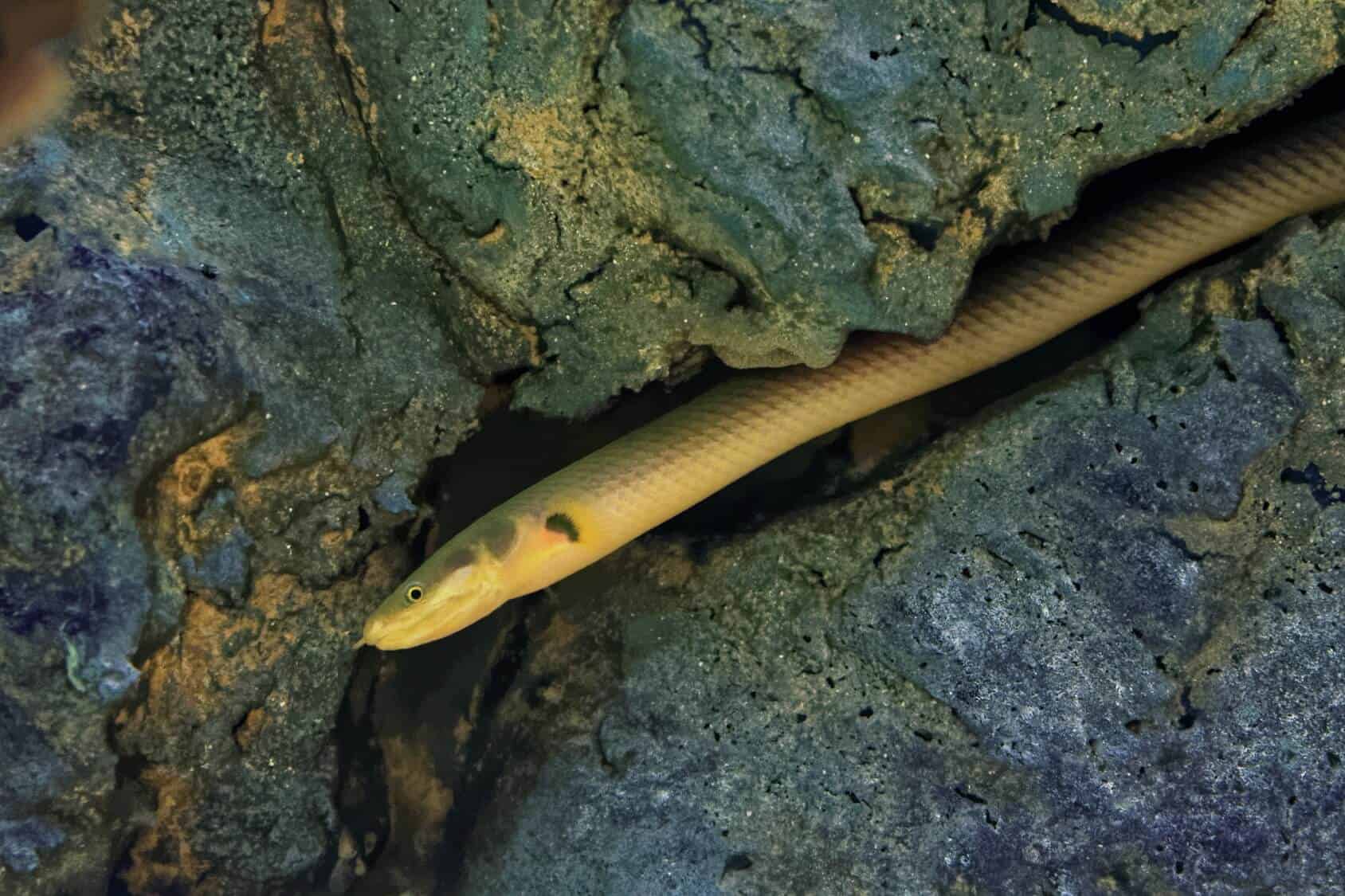
Rope fish, also called reedfish, come from Africa. They live in slow rivers and lakes. Their bodies are long and thin, like ropes. They use their bodies to swim in the water and hide in plants.
Rope fish are peaceful and calm. They do not fight with other fish. But they need special care to stay healthy.

Credit: aqualibs.com
Credit: www.fishkeepingworld.com
Tank Size and Setup
Rope fish need a large tank. A small tank is not good for them. They grow to about 24 inches or more. So, a tank of at least 40 gallons is best.
| Tank Feature | Details |
|---|---|
| Tank Size | Minimum 40 gallons |
| Tank Shape | Long and wide |
| Lid Type | Tight-fitting to prevent escapes |
| Substrate | Soft, fine sand |
| Decor | Caves, driftwood, hiding places |
Rope fish like to hide. They feel safe in caves and plants. Use driftwood and rocks to build hiding spots. Live plants are good but rope fish may move them. So, plant roots should be strong.
A tight lid is very important. Rope fish can jump out of tanks. Even small gaps let them escape. Make sure there is some air space at the top. Rope fish breathe air sometimes.
Water Quality and Maintenance
Water quality is key to rope fish health. They are strong but still need clean water. Keep water temperature between 75°F and 82°F (24°C – 28°C). The pH should be near neutral, about 6.5 to 7.5.
Good filtration helps keep water clean. Rope fish eat a lot and make waste. Use a filter that cleans well but does not make strong currents. They like calm water.
- Change 20% of water every week.
- Test water regularly for ammonia and nitrites.
- Keep water stable. Sudden changes hurt fish.
Rope fish can live with other peaceful fish. But avoid small fish they might eat. Also, do not keep them with aggressive fish.
Feeding Rope Fish
Rope fish are carnivores. They eat meat, not plants. In the wild, they eat insects, worms, and small fish. At home, feed them live or frozen foods.
| Food Type | Examples |
|---|---|
| Live Food | Bloodworms, earthworms, small shrimp |
| Frozen Food | Brine shrimp, chopped seafood |
| Sinking Pellets | High protein pellets for carnivores |
Feed rope fish once or twice daily. They like sinking food because they eat near the tank bottom. Remove uneaten food to keep water clean.
Behavior and Tank Mates
Rope fish are shy and peaceful. They move slowly and hide in plants. They can live with other calm fish. Avoid fish that are too small or too fast. They may stress or hurt rope fish.
Rope fish like to explore their tank. They use their long bodies to feel around. They sometimes come to the surface for air. This is normal behavior.
Keep several rope fish together if the tank is large. They can live in groups and feel safe.
Health Tips for Rope Fish
Rope fish are strong but can get sick. Watch for signs like:
- Loss of appetite
- Hiding more than usual
- White spots or unusual marks
- Breathing fast or gasping at surface
If you see these signs, check water quality first. Poor water causes most health problems. Change water and clean the tank if needed.
Quarantine new fish before adding to the tank. This keeps diseases away from rope fish.
Summary: How to Care for Rope Fish
- Use a large tank (40 gallons or more).
- Provide a tight lid to stop escapes.
- Use soft sand and plenty of hiding spots.
- Keep water warm and stable.
- Feed live or frozen meat-based foods.
- Keep peaceful tank mates.
- Watch health and keep water clean.
With good care, rope fish live many years. They are great pets for fish lovers. They add beauty and calm to your aquarium.
Remember: patience and attention are keys to success. Enjoy your rope fish!
Frequently Asked Questions
Are Rope Fish Hard To Take Care Of?
Rope fish require a long tank, soft substrate, and hiding spots. They need stable water, strong filtration, and a carnivorous diet. They are hardy but sensitive to sudden water changes. A tight lid prevents escapes. Overall, care is moderate but manageable for attentive hobbyists.
What Size Tank Does A Rope Fish Need?
A rope fish needs a minimum 30-gallon tank with a long, tight-fitting lid for safety. Provide soft substrate and hiding spots.
What Does A Rope Fish Eat?
Rope fish eat live or frozen foods like bloodworms, brine shrimp, earthworms, and small fish. They prefer sinking carnivore diets.
Can A Rope Fish Live In A Community Tank?
Rope fish can live peacefully in a community tank with calm, similarly sized fish. Avoid small or aggressive tank mates.
How Often Should I Change Rope Fish Tank Water?
Change 20-25% of the water weekly to keep it clean and healthy.
What Temperature Suits Rope Fish Tanks Best?
Maintain water temperature between 75°F and 82°F for optimal rope fish health.
What Do Rope Fish Eat In Captivity?
Feed them worms, small fish, insects, and specially made carnivore pellets.