
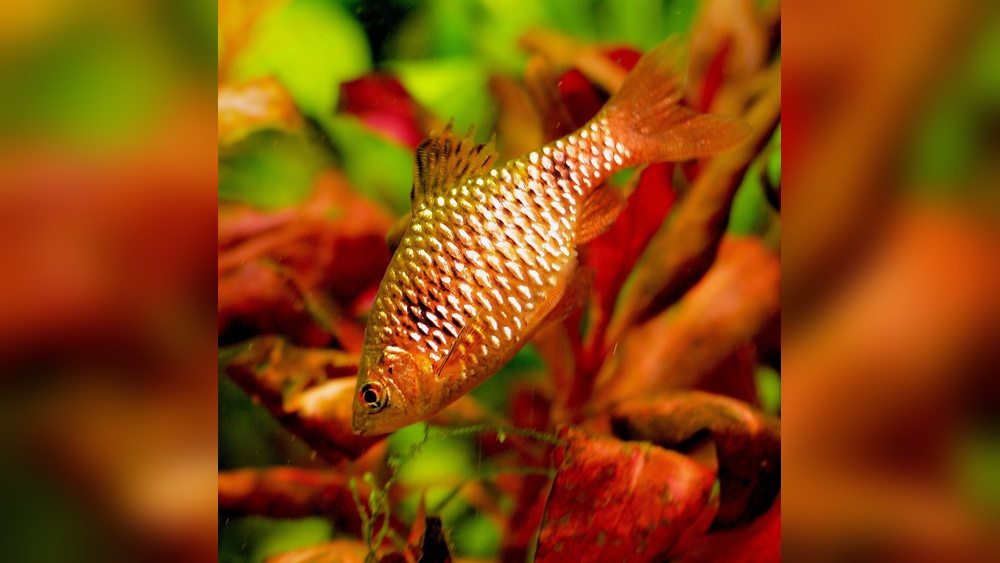
The Rosy Barb is a bright and active fish. Many people enjoy keeping them in their aquariums. They are not hard to care for. This guide will help you learn all about Rosy Barb care. You will know how to keep them healthy and happy.
What Are Rosy Barbs?
Rosy Barbs are small fish that come from rivers and lakes in India and Bangladesh. They have shiny red, pink, or bronze colors. The males are usually brighter than females. These fish are peaceful and like to swim in groups.
Size And Life Span
- Adult size: About 2.5 to 3 inches long
- Life span: Usually 5 to 7 years with good care
- Climate: They prefer cooler water, not too warm
Tank Setup for Rosy Barbs
Setting up the right tank is very important. Rosy Barbs need space to swim and places to hide.
Aquarium Size
Choose a tank that is at least 20 gallons. Bigger tanks are better for groups. They need room to move and play.
Water Conditions
| Water Parameter | Ideal Range |
|---|---|
| Temperature | 65°F to 75°F (18°C – 24°C) |
| pH Level | 6.5 to 7.5 |
| Water Hardness | 5 to 19 dGH |
Keep the water clean with a good filter. Rosy Barbs like fresh, moving water. A filter and a small water pump help keep water healthy.
Tank Decorations
- Plants: Use live or fake plants for hiding spots
- Rocks and caves: They like places to hide and rest
- Open space: Leave room for swimming in the middle
Cover the tank with a secure lid. Rosy Barbs sometimes jump out of the water.
Keeping Rosy Barbs in Groups
Rosy Barbs are social fish. They feel safe and happy in groups. Always keep at least five or six together.
Why Groups Matter
- Reduces stress: Alone, they get scared and stressed.
- Stops fin-nipping: Groups help stop them from biting fins.
- Natural behavior: They swim and act like in the wild.
More than six is even better. Groups of six to ten or more are ideal.
Feeding Your Rosy Barbs
Feeding is easy. Rosy Barbs eat many types of food.
Types Of Food
- Flakes or pellets made for tropical fish
- Frozen or live foods like brine shrimp or bloodworms
- Vegetables like peas or spinach (blanched)
Feed small amounts two times a day. Do not overfeed. Uneaten food can dirty the water.
Common Health Problems
Rosy Barbs are strong fish, but they can get sick. Watch for these signs:
- White spots on body or fins (sign of ich)
- Clamped fins or slow swimming
- Loss of appetite
Keep the water clean to avoid sickness. Do regular water changes, about 20% every week. Good water helps fish stay healthy.
Breeding Rosy Barbs
Breeding Rosy Barbs is fun and not too hard. They lay many eggs.
How To Breed
- Use a separate tank for breeding
- Keep water temperature around 72°F (22°C)
- Put plants or spawning mops for eggs
- Feed parents well with live food
The female lays eggs on plants. The male then fertilizes them. Remove the parents after spawning to keep eggs safe. Eggs hatch in 2 to 3 days. Fry eat tiny food like baby brine shrimp.

Credit: www.aquariumsource.com
Behavior and Tank Mates
Rosy Barbs are mostly peaceful. But they can nip fins if stressed or alone.
Good Tank Mates
- Other barbs and tetras
- Corydoras catfish
- Gouramis
- Danios
Avoid very slow or long-finned fish like angelfish. Rosy Barbs might nip their fins.
Summary: How to Care for Rosy Barbs
| Care Aspect | Tip |
|---|---|
| Tank Size | At least 20 gallons for 5+ fish |
| Water Temperature | 65°F to 75°F (18°C – 24°C) |
| pH Level | 6.5 to 7.5 |
| Group Size | Minimum 5 to 6 Rosy Barbs |
| Diet | Flakes, pellets, live and frozen food |
| Water Quality | Regular cleaning and filtering needed |
| Breeding | Use separate tank with plants |

Credit: www.kingbritish.co.uk
Frequently Asked Questions
Are Rosy Barbs Easy To Care For?
Rosy barbs are easy to care for and suitable for beginners. They thrive in groups of five or more. Provide a well-maintained tank with moderate water flow and temperatures between 65-75°F. Their active nature and hardy temperament make them low-maintenance, colorful aquarium additions.
How Many Rosy Barbs Should Be Kept Together?
Keep at least five to six rosy barbs together to reduce stress and prevent fin-nipping. Groups of six or more enhance natural behavior and vibrant colors. Smaller groups can cause aggression and stress, so maintaining a school supports their well-being and peaceful aquarium life.
Are Rosy Barbs Fin Nippers?
Rosy barbs can nip fins if kept alone or in small groups. Keeping at least five reduces fin-nipping and stress.
How Big Do Rosy Barbs Get?
Rosy barbs grow up to 6 inches (15 cm) in length. Males are more colorful than females. They need adequate tank space.
How Many Rosy Barbs Should Be Kept Together?
Keep at least five to six Rosy Barbs together to reduce stress and aggression.
What Tank Size Is Best For Rosy Barb Care?
A 30-gallon tank or larger suits a small group of Rosy Barbs comfortably.
Are Rosy Barbs Aggressive To Other Fish?
Rosy Barbs can nip fins but aggression lessens in groups of five or more.
What Water Temperature Do Rosy Barbs Need?
Maintain water between 64°F and 72°F for healthy and active Rosy Barbs.
Conclusion
Rosy Barbs make a great addition to many aquariums. They are lively, colorful, and easy to care for. Remember to keep them in groups and provide clean water. Feed them a good diet and watch their behavior. With simple care, you can enjoy their beauty for years.
Start your Rosy Barb care journey today. They bring color and life to your home aquarium.