
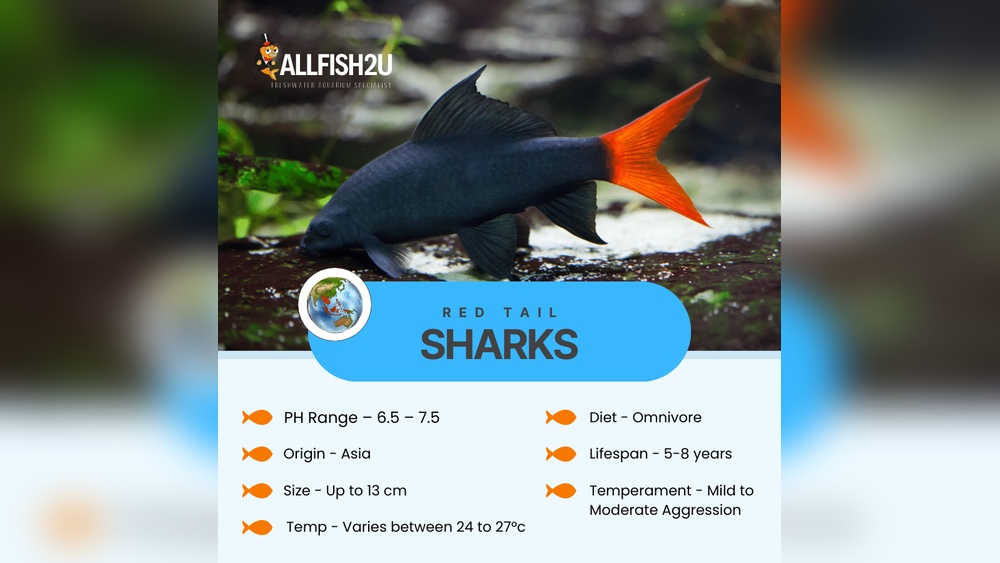
The Redtail Shark is a popular fish for freshwater aquariums. It has a shiny black body and a bright red tail. It looks very beautiful and active in a tank. Many fish lovers want to keep them.
But taking care of a Redtail Shark needs some rules. This guide will help you understand how to care for them. You will learn about their tank, food, behavior, and friends in the aquarium.
What Is a Redtail Shark?
The Redtail Shark is not a real shark. It is a type of freshwater fish. It belongs to the Cyprinidae family. Its scientific name is Epalzeorhynchos bicolor. It is called a shark because of its shape and fins.
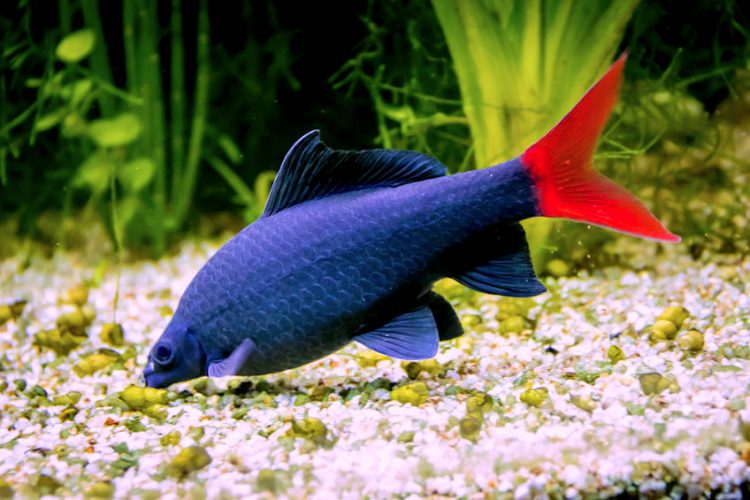
This fish grows up to 6 inches long. It has a black body and a red or orange tail. It is a fast swimmer and loves to explore the tank.
Tank Size and Setup
The Redtail Shark needs enough space to swim. The tank should be at least 30 gallons for one fish. Bigger tanks are better if you want to keep more fish.
Tank size recommendations:
| Number of Redtail Sharks | Tank Size (Gallons) |
|---|---|
| 1 | 30 |
| 2 | 55 |
| 3 or more | 75+ |
The tank should have places to hide and swim. You can add caves, rocks, and plants. Redtail Sharks like to feel safe in their own spaces.
Use dark gravel or sand for the tank bottom. It helps to show the fish colors better. Also, add live plants if you want. They make the tank look natural.
Water Conditions
The water needs to be clean and fresh. Redtail Sharks like slightly acidic to neutral water. The pH should be between 6.5 and 7.5.
They prefer water temperature between 72°F and 79°F (22°C to 26°C). Use a heater to keep the water warm and steady.
Good water quality is very important. Change 20-30% of the water every week. Use a water filter to keep the water clear and healthy.
Feeding Your Redtail Shark
Redtail Sharks are not picky eaters. They will eat many types of food. Their diet includes flakes, pellets, frozen food, and live food.
Here are good food options:
- High-quality flakes or pellets
- Frozen bloodworms or brine shrimp
- Freeze-dried tubifex worms
- Vegetables like zucchini or spinach (blanched)
Feed your fish once or twice a day. Give only what they can eat in 2-3 minutes. Do not overfeed. Overfeeding can make water dirty and harm your fish.

Credit: www.fishlore.com
Behavior and Temperament
Redtail Sharks are active and curious. They like to swim near the bottom and sides of the tank. Sometimes, they can be shy.
They are territorial. This means they defend their space. If you keep more than one Redtail Shark in a small tank, they may fight.
They do best with other peaceful fish. Avoid keeping them with very small or slow fish. Also, avoid other shark-like fish that may cause fights.
Credit: www.petful.com
Best Tankmates for Redtail Sharks
Choose calm and active fish that do not look like sharks. Good tankmates include:
- Gouramis
- Barbs (like Cherry Barbs)
- Rasboras
- Tetras
- Corydoras Catfish
Avoid fish that are too slow or too small. They may be bullied or eaten.
How Many Redtail Sharks Can Live Together?
Redtail Sharks like their own space. Usually, only one Redtail Shark should live in a tank less than 55 gallons.
In bigger tanks (75 gallons or more), you can keep two or three. But give them many hiding places and space to swim.
If you keep more, watch for signs of fighting. If they fight, separate them to prevent injury.
Tank Maintenance Tips
Keeping the tank clean is very important. Follow these steps:
- Check water temperature daily.
- Test water pH and hardness weekly.
- Change 20-30% of water every week.
- Clean the filter every 2-3 weeks.
- Remove uneaten food after feeding.
- Watch your fish daily for health signs.
Common Health Problems
Redtail Sharks are strong fish but can get sick. Common problems include:
If you see signs of sickness, do a water test first. Poor water quality causes many problems. You may also need to use medicine.
How Long Do Redtail Sharks Live?
With good care, Redtail Sharks live 5 to 8 years. Some live even longer in large, clean tanks.
Healthy food, good water, and a calm tank help them live longer.
Summary: Redtail Shark Care at a Glance
| Care Aspect | Details |
|---|---|
| Tank Size | Minimum 30 gallons for one fish |
| Water Temperature | 72°F to 79°F (22°C to 26°C) |
| Water pH | 6.5 to 7.5 |
| Diet | Flakes, pellets, frozen, live food, vegetables |
| Behavior | Active, territorial, peaceful with right tankmates |
| Tankmates | Gouramis, Barbs, Rasboras, Tetras, Corydoras |
| Lifespan | 5 to 8 years |
Final Tips for Happy Redtail Sharks
- Use a large tank with hiding spots.
- Keep water clean and stable.
- Feed a varied diet but avoid overfeeding.
- Pick peaceful tankmates.
- Watch your fish daily for changes.
Redtail Sharks can be a great addition to your aquarium. They add color and action. With simple care, they stay healthy and happy. Enjoy your fish-keeping journey!
Frequently Asked Questions
Are Red Tail Sharks Hard To Keep?
Red tail sharks require a minimum 30-gallon tank with hiding spots. They can be territorial but adapt well with peaceful tankmates. Regular feeding and water changes keep them healthy. Overall, they need moderate care and attention to thrive.
What Fish Can Be Kept With Red Tail Sharks?
Red tail sharks coexist well with peaceful, fast-swimming fish like barbs, gouramis, rasboras, and danios. Avoid slow or long-finned fish. Provide ample hiding spaces to reduce territorial aggression. Maintain a spacious tank to keep peace among tank mates.
How Many Red Tail Sharks Can Live Together?
Red tail sharks are territorial and aggressive. Keep only one per tank of at least 30 gallons to prevent fights.
How Big Do Redtail Sharks Get?
Redtail sharks grow up to 6. 5–7. 5 inches (16. 5–19 cm) in length. They need spacious tanks to thrive.
What Tank Size Is Best For Redtail Shark Care?
A 30-gallon tank or larger is ideal to provide enough swimming space.
How Aggressive Are Redtail Sharks With Other Fish?
They can be territorial and aggressive, especially with similar-shaped fish.
What Water Temperature Suits Redtail Sharks Best?
Keep the water between 72°F and 79°F for optimal health.
What Should I Feed My Redtail Shark Daily?
Offer flakes, pellets, frozen, and live foods for a balanced diet.