
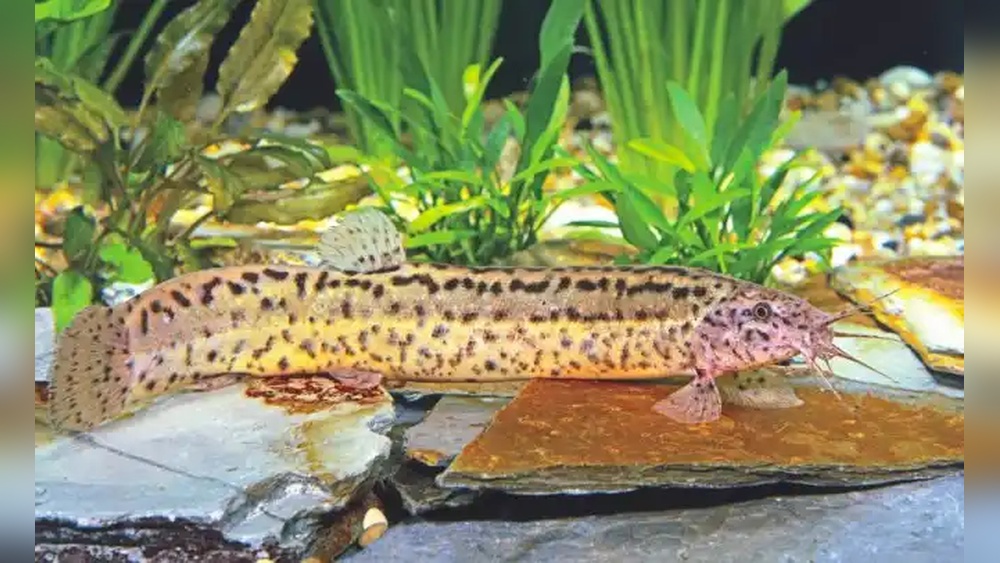
Weather loaches are interesting fish to keep. They are also called dojo loaches. These fish are calm and fun to watch. Many people like them because they can sense weather changes. This guide will help you care for weather loaches easily.
What Are Weather Loaches?
Weather loaches come from Asia. They live in rivers and ponds. These fish are long and slim. Their bodies look like eels but they are not eels. Weather loaches are usually brown or yellow with dark spots or stripes.
People call them “weather loaches” because they act differently before rain or storms. They might become more active or hide more. This behavior is interesting for fish lovers.
How Big Do Weather Loaches Get?
Weather loaches grow up to 12 inches (30 cm) long. They need enough space to swim and hide. A small fish tank is not enough for them.
| Age | Size | Tank Size Needed |
|---|---|---|
| Young (up to 6 months) | 4-6 inches (10-15 cm) | 20 gallons (75 liters) |
| Adult (6 months and older) | Up to 12 inches (30 cm) | 30 gallons (115 liters) or more |
Tank Setup for Weather Loaches
Weather loaches need a good home to stay healthy. Here are the key things to remember:
- Tank size: Use at least 30 gallons for one adult fish.
- Tank shape: Long tanks are better than tall tanks.
- Substrate: Soft sand or smooth gravel is best. Weather loaches like to dig.
- Plants and decorations: Add plants and hiding spots like caves or driftwood.
- Water: Keep clean water with good flow but not too strong.
Water Conditions
Weather loaches can live in many water types. But some water conditions keep them healthy and happy:
- Temperature: 60-75°F (15-24°C) is best.
- pH level: Between 6.5 and 8.0.
- Hardness: Soft to moderately hard water.
- Oxygen: Water should have good oxygen levels.
Change 20-30% of the water every week. This keeps the tank clean. Use a water conditioner to remove chlorine.
What Do Weather Loaches Eat?
Weather loaches are omnivores. They eat both plants and animals. In the wild, they eat small bugs, worms, and plants.
In your tank, feed them:
- Sinking pellets or tablets made for catfish or loaches.
- Frozen or live foods like bloodworms or brine shrimp.
- Vegetables like peas or cucumber slices.
Feed small amounts twice a day. Do not give too much food. Extra food can dirty the water.
Behavior and Personality
Weather loaches are friendly and peaceful fish. They like to swim near the bottom. They are active mostly during the day.
They may wiggle their bodies when they swim. This looks fun to watch. Weather loaches also like to hide in caves or plants.
They can live alone but like to have friends. Keeping 3 or more loaches is best. They feel safer in groups.
Tank Mates for Weather Loaches
Weather loaches get along with many fish. They like fish that are peaceful and not too small.
| Good Tank Mates | Why |
|---|---|
| Guppies | Small, peaceful fish |
| Tetras | Swim in middle and top of tank |
| Corydoras catfish | Bottom dwellers, peaceful |
| Snails | Do not bother loaches |
Avoid aggressive fish. They can harm weather loaches. Also, avoid very small fish that can be eaten.

Credit: www.practicalfishkeeping.co.uk
Health and Common Problems
Weather loaches are strong fish but can get sick. Here are some common problems:
- Ich (white spot disease): Look for small white spots on the body.
- Skin infections: Red or swollen areas on skin.
- Stress: Fish hide a lot and do not eat well.
To keep fish healthy:
- Keep the water clean and at the right temperature.
- Feed a balanced diet.
- Watch fish behavior every day.
Breeding Weather Loaches
Breeding weather loaches is not easy but possible. They need good water and lots of plants.
Male and female look similar. Females are usually rounder. To encourage breeding:
- Lower water temperature slowly.
- Increase feeding with live foods.
- Provide fine plants or spawning mops for eggs.
Eggs hatch in a few days. Baby loaches are very small and need tiny food like baby brine shrimp.

Credit: www.fishlore.com
Summary: Easy Tips for Weather Loach Care
| Care Aspect | Tips |
|---|---|
| Tank Size | Minimum 30 gallons for one adult |
| Water Conditions | Temperature 60-75°F, pH 6.5-8.0 |
| Diet | Feed sinking pellets, frozen/live food |
| Tank Mates | Peaceful fish like tetras and guppies |
| Behavior | Active, peaceful, likes hiding spots |
| Health | Keep water clean, watch for sickness |
Final Thoughts
Weather loaches make great pets for fish lovers. They are easy to care for and fun to watch. Their calm nature fits many community tanks. Follow the simple care steps to keep them happy.
Remember, good water and proper food are key. Give your weather loach a good home and it will live many years. Enjoy your fish and their weather sensing tricks!
Frequently Asked Questions
What Size Tank Does A Weather Loach Need?
A Weather Loach needs a minimum 20-gallon tank for proper swimming space and comfort. Larger tanks suit groups.
Do Weather Loaches Eat Other Fish?
Weather loaches are peaceful and do not eat other fish. They mainly consume small invertebrates and sinking pellets.
Are Weather Loaches Easy To Care For?
Weather loaches are easy to care for, requiring a clean tank, moderate temperature, and varied diet. They adapt well to peaceful community tanks.
What Fish Can Live With Weather Loaches?
Peaceful fish like White Cloud Mountain Minnows, Kuhli Loaches, Rosy Barbs, and Zebra Danios can live with weather loaches.
What Tank Size Is Ideal For A Weather Loach?
A 20-gallon tank or larger is best to give Weather Loaches enough space to swim.
What Water Conditions Do Weather Loaches Prefer?
They thrive in cool, clean water with a pH of 6. 5 to 8. 0 and moderate hardness.
What Do Weather Loaches Eat In An Aquarium?
They eat sinking pellets, live or frozen foods, and occasional vegetables like cucumber.
Can Weather Loaches Live With Other Fish Species?
Yes, they are peaceful and can live with most non-aggressive fish.