
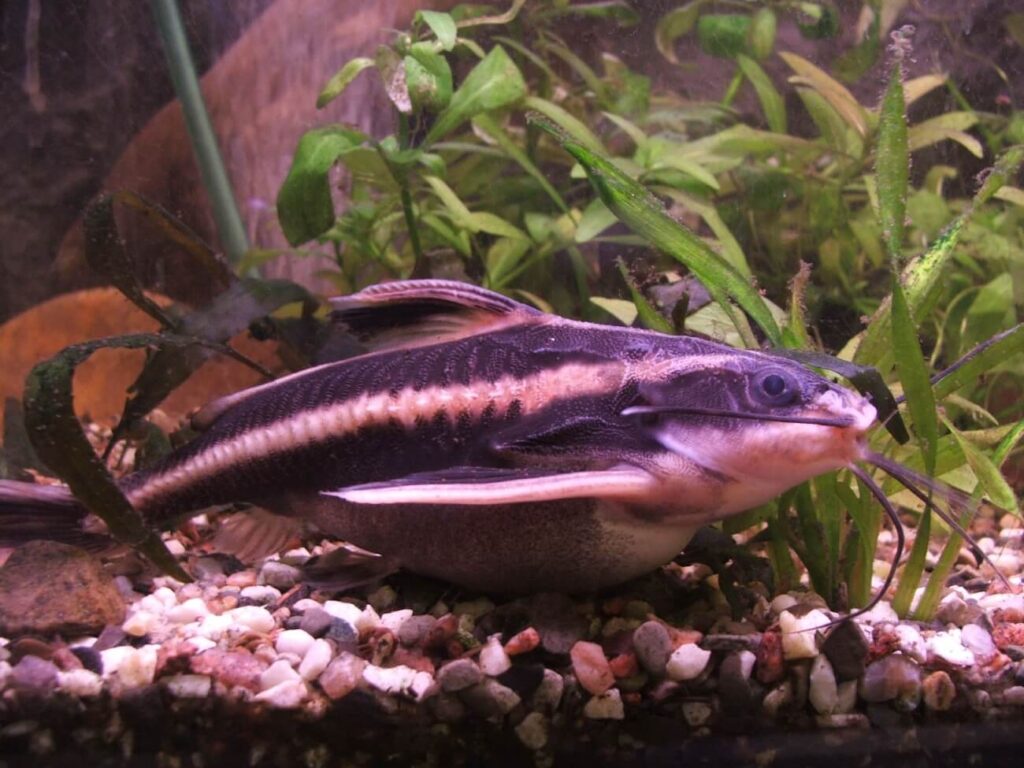
When I first started keeping fish, I was captivated by the idea of having a peaceful bottom-dweller, a kind of “tank cleaner” that had a bit of personality. That’s when I stumbled upon the Raphael Catfish, specifically the Striped Raphael Catfish (Platydoras armatulus). These incredible fish—often called the “talking catfish” because of the grunting sound they can make—are a wonderful, if slightly shy, addition to any community tank. Their striking black and white stripes and armored bodies make them look like little aquatic tanks, but don’t let the armor fool you; they are truly gentle giants. Raphael Catfish care is straightforward once you understand their basic needs, and I’m excited to share my personal journey and expertise to help you master it! I learned early on that giving them the right environment is the key to seeing their surprisingly fun personality emerge.
Understanding Your Raphael Catfish
Types of Raphael Catfish: Stripe vs. Spotted
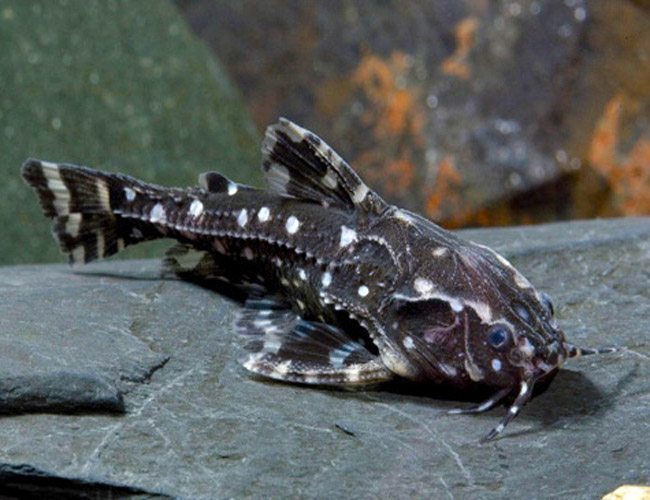
The term “Raphael Catfish” actually refers to a few similar species, but the two most common in the aquarium trade are the Striped Raphael Catfish (Platydoras armatulus) and the Spotted Raphael Catfish (Agamyxis pectinifrons). Both are hardy, relatively easy to care for, and share a lot of the same behaviors and habitat needs. The Striped Raphael Catfish is usually the one most people encounter, sporting those unmistakable horizontal stripes. The Striped Raphael Catfish is easily identifiable by its prominent black and white or black and cream stripes. The Spotted Raphael, on the other hand, is covered in small, contrasting spots—a pattern just as charming. While their patterns are different, the essential Raphael Catfish care guidelines I share apply to both, making your research much easier!
Raphael Catfish Size and Life Expectancy
One of the most important aspects of planning for this fish is knowing its potential Raphael Catfish size. While they look small in the pet store, the Striped Raphael Catfish can reach a substantial Raphael Catfish max size of about 8 to 10 inches in a home aquarium, although sometimes slightly larger in the wild. This makes them one of the larger catfish species that can comfortably live in a standard home setup. Raphael Catfish life span is surprisingly long, often living for 15 to 20 years or even more with excellent care. This is a long-term commitment, like having a small aquatic dog! My first Raphael, “Tank,” lived for 18 years, and he was a fixture in my fish room for nearly two decades. Knowing their potential size and long lifespan is crucial for responsible pet ownership.
The Perfect Raphael Catfish Tank Setup
The right home is the foundation for successful Raphael Catfish care. Since they grow quite large, a spacious tank is non-negotiable.
Tank Size: Giving Them Room to Roam
Because they have a large Raphael Catfish max size, I strongly recommend a minimum tank size of 55 gallons for a single adult Raphael Catfish. While they aren’t hyperactive swimmers, they need ample floor space to forage and explore, as they are primarily bottom-dwellers. A 55-gallon aquarium provides the necessary floor space and water volume to keep a Raphael Catfish healthy and happy. Anything smaller will eventually stress them out and stunt their growth, which is something we want to avoid for the long-term well-being of our beautiful fish.
Substrate and Decor: The Art of Hiding
Raphael Catfish are nocturnal and love to hide during the day. Think of them as aquatic introverts! To keep them comfortable and reduce stress, you must provide plenty of hiding spots. Creating numerous dark, snug hiding spots is the most important element of a Raphael Catfish tank setup.
-
Substrate: They do best with a soft substrate like fine sand or smooth, small-grain gravel. Their sensitive barbels—those whiskers they use to find food—can be damaged by rough or sharp substrate.
-
Hiding Places: This is where you can get creative! Use large pieces of driftwood, which they adore burrowing under and around. Ceramic caves, PVC pipes cut into pieces, or even intentionally stacked rocks (secured so they won’t topple!) all make excellent dens. Make sure the entrances are just big enough for them to squeeze into comfortably. I once used a large terracotta flower pot on its side, and it became Tank’s favorite “living room.”
Water Parameters: Keeping the Environment Stable
Raphael Catfish are hardy fish, but they thrive in stable, clean conditions. Consistent water changes and monitoring are key to Raphael Catfish care.
-
Temperature: Aim for a tropical range between 75°F and 82°F (24°C to 28°C). They are quite tolerant, but keeping the temperature steady is more important than hitting an exact number.
-
pH Level: A slightly acidic to neutral pH is best, ranging from 6.0 to 7.5.
-
Hardness: Soft to moderate water hardness (GH) is ideal, between 2 and 15 dGH.
-
Filtration: Because they are large fish and produce a decent amount of waste, you need robust filtration. I recommend an oversized filter—running a filter rated for a 75-gallon tank on a 55-gallon setup is a great idea. Strong mechanical and biological filtration is essential for maintaining the pristine water quality that Raphael Catfish need. Just be sure to baffle the outflow if the current is too strong, as they prefer calmer water.
Raphael Catfish Diet: What to Feed Your Armored Friend
In the wild, Raphael Catfish are opportunistic omnivores, meaning they’ll eat a wide variety of things, which makes their Raphael Catfish diet quite simple in the home aquarium.
Staple Foods and Sinking Goodies
Since they are bottom feeders, their food must sink quickly so it doesn’t get snatched up by faster mid-water fish. A high-quality sinking pellet or wafer should form the foundation of the Raphael Catfish diet. I personally use and highly recommend a specific brand of sinking catfish pellets like this Fluval Bug Bites Bottom Feeder Formula. It’s rich in insects and proteins, which is exactly what a Raphael Catfish loves, and it sinks fast so they get their fair share!
Treats and Supplements: Adding Variety
Like us, fish appreciate variety! Adding frozen or live foods a few times a week will provide essential nutrients and mimic their natural foraging behavior. Live or frozen foods are excellent supplements that boost health and encourage natural behavior in Raphael Catfish.
-
Frozen Foods: Bloodworms, brine shrimp, and daphnia are all great choices. Make sure to thaw them completely before adding them to the tank.
-
Fresh Veggies: Sometimes, they will nibble on blanched vegetables like zucchini, cucumber, or even shelled peas. This is a great way to ensure they are getting fiber.
-
Meaty Options: Small earthworms (safely sourced, of course) or even chunks of fresh, thawed shrimp can be a welcomed, protein-packed treat.
Remember to feed them after the lights go out, as they will feel much safer coming out to eat under the cover of darkness. This is a game-changer for getting shy fish to eat well.
Raphael Catfish Tank Mates: Choosing Friends Wisely
Despite their armored appearance, Raphael Catfish are incredibly peaceful fish and make excellent additions to a community tank, provided you choose their companions wisely.
The Best Companions
Since they mostly stay on the bottom, they generally ignore fish that swim in the middle or upper parts of the tank. The best Raphael Catfish tank mates are medium-to-large peaceful fish that occupy the mid-to-upper water column.
-
Larger Tetras: Things like Congo Tetras or larger Buenos Aires Tetras.
-
Gourami Species: Peaceful varieties like Pearl or Blue Gouramis.
-
Rainbowfish: A great choice, as they are active and stay out of the Raphael’s way.
-
Cichlids (Caution): Only the most peaceful, smaller species, such as Keyhole Cichlids or Kribensis Cichlids. Avoid large, aggressive cichlids!
Fish to Avoid (And Why)
While they won’t bother larger fish, smaller species are at risk because Raphaels are nocturnal predators. You should avoid keeping very small fish with Raphael Catfish, as they may become a nighttime snack.
-
Tiny Tetras: Neon Tetras or Ember Tetras might become a snack, especially once the lights are off.
-
Small, Bottom-Dwelling Fish: Any fish that occupies the same niche and can fit in their mouth, like smaller Corydoras (though larger ones are usually fine), are a risk.
-
Aggressive Fin-Nippers: Though rare, extremely aggressive fish might harass the slower-moving Raphael.
Common Health and Behavior Insights
Behavior: The Art of Disappearing
If you feel like you never see your Raphael Catfish, don’t worry—this is completely normal! As I mentioned, they are master hiders and primarily nocturnal. They spend most of the daylight hours tucked away in their favorite cave, which is why providing good hiding spots is so vital to your Raphael Catfish care plan. A Raphael Catfish spending all day hidden is a sign of a comfortable, healthy fish, not a sick one. You’ll see them come alive right after the tank lights go out, diligently cruising the bottom for any leftovers.
“Talking” Catfish: The Grunt
One of the most unique aspects of this species is their ability to produce an audible, chirping or grunting sound, which has earned them the nickname “talking catfish.” They achieve this by moving their pectoral fins in their sockets, which creates a vibration you can actually hear outside the tank! Raphael Catfish “talk” by producing an audible chirping or grunting sound, often when they are stressed or excited. I have most often heard it when I’ve had to move them during tank maintenance, and it’s their clear way of saying, “Hey, put me down!”
Handling and Health
Be extremely careful if you ever need to move or net your Raphael Catfish. Their pectoral and dorsal fins have spines that lock into place, and these can easily snag in a net. Even worse, the spines can pierce your skin, delivering a sting that is surprisingly painful, though not venomous. Never try to net a Raphael Catfish; instead, coax it into a hard-sided container or plastic bag for safe moving. In terms of health, they are quite robust, but common issues like Ich (white spot disease) can occur if water quality slips. Their hardy nature, combined with diligent water changes, is the best defense.
Personal Anecdotes and Final Wisdom
My absolute favorite thing about keeping a Raphael Catfish is that moment, usually late at night, when the house is quiet, and I sneak a peek at the tank with a dim, red flashlight. I call it the “Catfish Hour.” That’s when you truly see their personalities. My old Catfish, Tank, would often be perched atop his favorite driftwood, looking like a little sentry surveying his domain. It’s a completely different fish than the shy creature you only see a sliver of during the day.
I found that integrating a nutrient-rich supplementary food dramatically improved their coloration and activity levels. In addition to the staple pellets, I regularly give them a boost.
To ensure a rich, varied Raphael Catfish diet, I highly recommend Hikari Tropical Sinking Wafers. I drop these in a dark corner of the tank, and they provide a great secondary food source for bottom dwellers.
Caring for these armored fish isn’t a chore; it’s a deeply rewarding experience. They are long-lived, peaceful, and possess a quiet charm that grows on you. By following these Raphael Catfish care guidelines—especially prioritizing space, hiding places, and a good diet—you are setting yourself up for two decades of joy with your unique, striped companion.
💡 Summary/Quick Reference Card
| Category | Key Takeaway |
| Focus Keyword | Raphael Catfish care |
| Minimum Tank Size | 55 Gallons |
| Max Size (Adult) | 8–10 Inches |
| Lifespan | 15–20+ Years |
| Water Temp | 75°F to 82°F (24°C to 28°C) |
| pH Range | 6.0 to 7.5 |
| Diet (Staple) | Sinking Pellets/Wafers (Fed at Night) |
| Key Care Tip | Must have multiple dark, snug hiding spots. |
❓ Frequently Asked Questions (FAQ) About Raphael Catfish Care
Q: Do Raphael Catfish eat snails?
A: Yes, in my experience, they definitely do! Raphael Catfish are known to be effective at eating small snails in the aquarium. If you have a problem with pest snails, a Raphael Catfish can be a natural and effective part of the solution. They have strong mouths and will happily munch on smaller snails, though they typically leave larger, tougher-shelled snails like Mystery Snails alone.
Q: Why is my Raphael Catfish never coming out of its cave?
A: If your Raphael Catfish is constantly hiding, it is likely a sign that it feels safe and is behaving naturally. A healthy Raphael Catfish is typically nocturnal and will spend the entire day hidden in a dark cave or under driftwood. They will only come out once the lights are off. If you want to see them, try a dim, red light after dark, but avoid disturbing them during the day.
Q: Are Raphael Catfish aggressive?
A: No, despite their armored bodies and large size, Raphael Catfish are generally peaceful and non-aggressive fish. Raphael Catfish are one of the most peaceful large catfish species you can keep in a community tank. They won’t bother any fish they can’t fit into their mouth. They are only predatory toward very small fish and are otherwise great Raphael Catfish tank mates.
Q: Can I keep more than one Raphael Catfish together?
A: Yes, you absolutely can! Raphael Catfish are social fish and often do well when kept in small groups of 2 or 3, provided the tank is large enough (75 gallons or more). Keeping them in a group can sometimes encourage them to be a little more active and less shy, even during daylight hours, as they feel more secure.
Q: Do Raphael Catfish need live plants?
A: Live plants are a great addition to any aquarium, but Raphael Catfish don’t specifically need them to thrive. While Raphael Catfish don’t require live plants, they will not damage them, and plants help with water quality. They are bottom-dwellers who prioritize hiding spots (like caves and driftwood) over swimming through dense vegetation.