
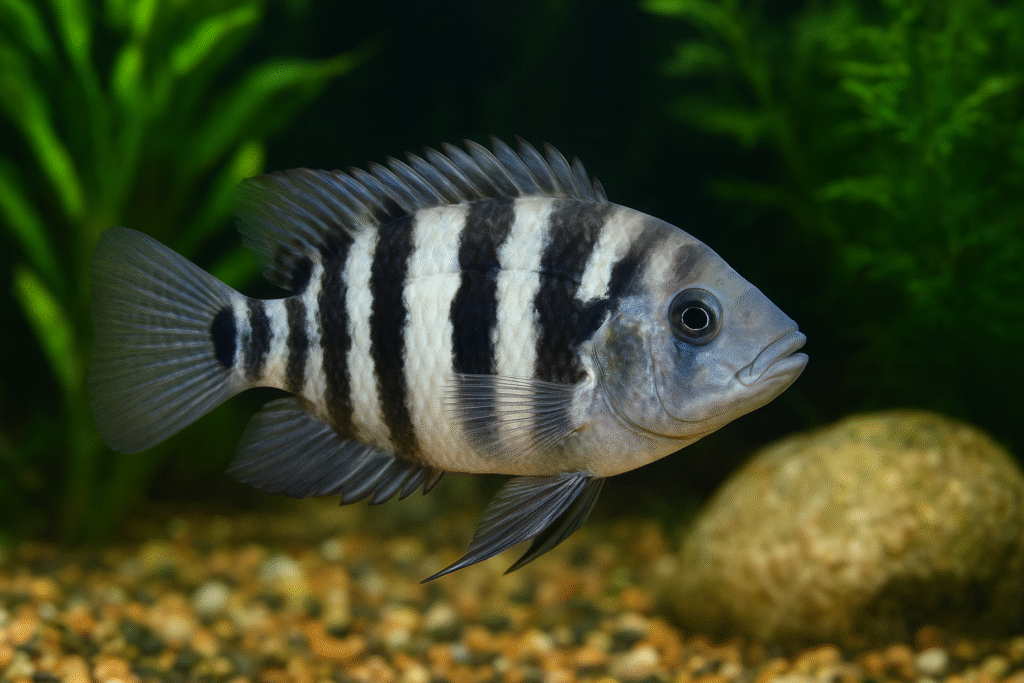
If you’re thinking about adding a Convict Cichlid to your aquarium, you’ve made a smart choice. These fish are colorful, hardy, and full of personality.
But to keep your Convict Cichlid healthy and happy, you need to know the right care tips. In this guide, you’ll discover everything you need—from tank setup to feeding and behavior. By the end, you’ll feel confident giving your fish the best home possible.
Ready to dive in? Let’s get started!

Credit: www.aquariumsource.com
Tank Setup
Setting up a tank for Convict Cichlids requires careful planning. These fish are hardy but can be aggressive and territorial. Providing the right environment helps them stay healthy and show natural behaviors. The tank setup includes choosing the correct size, substrate, decor, and maintaining ideal water conditions. Each factor plays a key role in their well-being.
Tank Size
Convict Cichlids grow up to 6 inches and need space to swim and establish territories. A small tank causes stress and aggression. A minimum tank size of 30 gallons suits a pair. For more fish, increase the size.
- 1-2 Convict Cichlids: 30 gallons
- 3-4 Convict Cichlids: 50 gallons
- 5 or more: 75 gallons or larger
Long tanks are better than tall ones. They offer more horizontal space for swimming and territory.
| Number of Fish | Recommended Tank Size |
|---|---|
| 1-2 | 30 gallons |
| 3-4 | 50 gallons |
| 5+ | 75 gallons or more |
Ensure good filtration and regular water changes in larger tanks to keep water clean. This reduces stress and supports healthy growth.
Substrate Choices
Choosing the right substrate affects fish behavior and tank cleanliness. Convict Cichlids like to dig and move substrate. Use materials that are safe and comfortable for them.
- Sand: Soft and smooth, ideal for digging. Prevents injury to gills and fins.
- Fine gravel: Easy to clean and natural look. Avoid sharp or large gravel pieces.
- Aquarium soil: Good for planted tanks. Provides nutrients to plants and stable pH.
Avoid substrates that trap too much waste. Regular vacuuming keeps the tank clean and healthy.
Some hobbyists mix sand and fine gravel to create a varied texture. This simulates natural habitats and supports fish activity.
Decor And Hiding Spots
Convict Cichlids need places to hide and defend. Decor offers shelter and reduces stress. Choose sturdy items that withstand digging and chasing.
- Rocks: Stack to make caves and crevices. Ensure stable placement to avoid collapses.
- Driftwood: Adds natural look and hiding spots. Use aquarium-safe wood only.
- Clay pots or PVC pipes: Simple caves for breeding and hiding.
- Plants: Use hardy species like Java fern or Anubias. Attach to rocks or wood to avoid uprooting.
Arrange decor to break sight lines. This lowers aggression by giving fish separate territories.
Keep enough open swimming space. Overcrowding with decor can stress fish and block swimming paths.
Water Parameters
Maintaining correct water conditions is vital for Convict Cichlid health. They tolerate a range but thrive in stable parameters.
| Parameter | Ideal Range | Notes |
|---|---|---|
| Temperature | 74°F – 82°F (23°C – 28°C) | Use heater to keep stable temperature |
| pH | 6.5 – 8.0 | Neutral to slightly alkaline is best |
| Hardness | 100 – 200 ppm (6 – 12 dGH) | Moderate hardness supports health |
| Ammonia & Nitrites | 0 ppm | Both must be zero to avoid toxicity |
| Nitrates | < 20 ppm | Keep low with regular water changes |
Test water weekly to detect changes early. Use water conditioners to remove chlorine and chloramine from tap water.
Proper filtration and partial water changes maintain water quality. This supports strong immune systems and bright colors in Convict Cichlids.
Feeding
Feeding is a crucial part of Convict Cichlid care. Proper nutrition helps these fish grow strong and stay healthy. Convict Cichlids are omnivores, meaning they eat both plants and meat. Their diet should be balanced and varied. Feeding the right food in the correct amount supports their vibrant colors and active behavior. Understanding their feeding needs makes a big difference in their well-being.
Diet Basics
Convict Cichlids require a mix of protein, vegetables, and other nutrients. High-quality cichlid pellets form the base of their diet. These pellets contain essential vitamins and minerals. Along with pellets, fresh or frozen foods enhance their nutrition.
- Protein sources: bloodworms, brine shrimp, and daphnia
- Vegetables: spinach, peas, zucchini (blanched and chopped)
- Commercial food: sinking pellets or flakes designed for cichlids
Feeding only one type of food can cause nutrient deficiencies. Mixing foods keeps the diet balanced. Avoid overfeeding, which leads to poor water quality and health issues. My favorite combo of food to keep my fish healthy and happy… Hikari Vibra Bites and Zoo Med Spirulina 20 Flake Fish Food. You can get them both online. Grab the Hikari Vibra Bites here and get the Zoo Med Spirulina 20 Flake Fish Food here.
| Food Type | Benefits | Examples |
|---|---|---|
| Protein | Supports growth and muscle development | Bloodworms, brine shrimp, pellets |
| Vegetables | Provides fiber and vitamins | Spinach, peas, zucchini |
| Commercial Food | Balanced nutrition and ease of feeding | Cichlid pellets, flakes |
Feeding Frequency
Feeding Convict Cichlids at the right times is important. Young fish need more frequent meals than adults. Overfeeding can cause obesity and dirty water. Underfeeding results in poor health and slow growth.
Here is a simple feeding schedule for Convict Cichlids:
- Juveniles: 3 to 4 small feedings daily
- Adults: 2 feedings daily
- Breeding pairs: Increase feeding to support egg production and fry care
Each feeding should last about 3-5 minutes. Remove leftover food to keep the tank clean. Observe your fish during feeding time. Healthy fish eat eagerly without leftovers.
| Life Stage | Feeding Frequency | Feeding Tips |
|---|---|---|
| Juvenile | 3-4 times daily | Small portions, multiple times |
| Adult | 2 times daily | Moderate portions, avoid leftovers |
| Breeding | 2-3 times daily | Increase protein, watch for fry feeding |
Treats And Supplements
Treats and supplements enrich the Convict Cichlid’s diet. They add variety and boost health. Use treats sparingly to avoid overfeeding. Some treats also improve color and immunity.
- Frozen or live foods: bloodworms, brine shrimp as occasional treats
- Vegetable treats: blanched spinach or peas once or twice a week
- Vitamin supplements: added to food for extra nutrients
Supplements include spirulina flakes or algae wafers. These support digestion and skin health. Avoid fatty or high-calorie treats often. Treats should never replace the main diet but only complement it.
Watch for signs of overfeeding like bloating or sluggishness. Offer treats no more than 10% of daily food. This keeps Convict Cichlids happy and healthy.
Behavior
Convict cichlids display unique and fascinating behaviors that every aquarist should understand. Their actions reveal much about their nature and care needs. Observing their behavior helps maintain a healthy tank environment. These fish are known for strong instincts, especially around territory and breeding. Understanding their social habits improves tank harmony and fish well-being.
Territorial Nature
Convict cichlids are highly territorial. They defend their space with great intensity. This behavior often leads to aggression toward other fish, especially in confined spaces. Males are more aggressive when guarding territory.
Key aspects of their territorial behavior include:
- Marking and defending a specific area in the tank
- Showing aggressive postures like flaring fins and chasing intruders
- Becoming more aggressive during breeding seasons
- Preferring rocky caves or hiding spots to establish territory
Territorial disputes can cause stress and injury. Providing enough space reduces fights. A tank size of at least 30 gallons is recommended for one pair.
| Territorial Behavior | Recommended Action |
|---|---|
| Aggression toward new tank mates | Introduce fish slowly and monitor closely |
| Defending caves and hiding spots | Provide multiple hiding places |
| Chasing intruders from territory | Increase tank size or separate aggressive fish |
Social Interactions
Convict cichlids have interesting social behaviors. They can be both aggressive and social depending on conditions. Understanding these interactions is essential for a peaceful tank.
Social behavior traits include:
- Forming pairs or small groups, especially during breeding
- Establishing a clear hierarchy in community tanks
- Displaying dominance through fin displays and chasing
- Showing curiosity toward tank mates and environment
Social stress occurs if overcrowded or if there are not enough hiding spots. A tank with varied decor helps reduce conflicts. Observing fish behavior daily helps catch early signs of stress or bullying.
Tips for managing social interactions:
- Keep compatible species together
- Provide plenty of space and hiding places
- Observe fish closely after introducing new tank mates
- Separate overly aggressive individuals if needed
Breeding Habits
Convict cichlids are prolific breeders with distinct habits. They form strong pair bonds and fiercely protect their offspring. Breeding behavior is one of the most noticeable traits.
Important breeding habits to note:
- Pairs choose and clean a flat surface or cave for laying eggs
- Females lay between 300 and 600 eggs at a time
- Both parents guard eggs and fry aggressively
- Parents fan eggs with fins to keep them oxygenated
- Fry become free-swimming after about 5 days
- Parents continue to protect fry for several weeks
Breeding increases territorial behavior and aggression. Separate breeding pairs to avoid stress in community tanks. Providing caves or flat rocks encourages breeding.
| Breeding Stage | Duration | Parent Role |
|---|---|---|
| Egg Laying | 1 day | Female lays eggs; male guards area |
| Egg Care | 3-5 days | Both parents fan and protect eggs |
| Fry Protection | 2-3 weeks | Parents guard and guide fry |

Credit: www.youtube.com
Health
Maintaining good health is vital for Convict Cichlids to thrive in home aquariums. These fish are hardy but still prone to illnesses if conditions are poor. Proper care helps prevent disease and keeps your fish active and colorful. Observing your cichlid daily can catch health problems early, improving recovery chances. Understanding common diseases, preventive measures, and signs of stress ensures a healthy environment.
Common Diseases
Convict Cichlids face several common diseases, especially in crowded or unclean tanks. Knowing these illnesses helps with quick action and treatment.
- Ich (White Spot Disease): Caused by a parasite, it shows as tiny white spots on fins and body.
- Fin Rot: Bacterial infection that causes frayed or disintegrating fins.
- Fungal Infections: White cotton-like growth on skin or fins.
- Hole in the Head Disease: Small pits or holes on the head caused by poor water quality or parasites.
Here is a quick overview in a table:
| Disease | Symptoms | Cause | Treatment |
|---|---|---|---|
| Ich | White spots, scratching | Parasite | Raise temperature, medication |
| Fin Rot | Frayed fins, discoloration | Bacteria | Antibacterial meds, clean water |
| Fungal Infection | White patches on skin | Fungus | Antifungal treatment |
| Hole in the Head | Pits on head, lethargy | Poor water, parasites | Improve water, meds |
Preventive Care
Preventing disease is easier than treating it. Keep the tank clean and stable for your Convict Cichlids. Follow these key steps:
- Water Quality: Test regularly for ammonia, nitrite, and nitrate. Keep levels safe.
- Regular Water Changes: Change 20-30% weekly to remove toxins.
- Proper Filtration: Use a good filter suitable for tank size.
- Balanced Diet: Feed high-quality pellets and occasional live or frozen food.
- Tank Size: Provide enough space to reduce stress and aggression.
- Quarantine New Fish: Isolate newcomers for 2-3 weeks before adding to the main tank.
Routine observation is vital. Watch for any unusual behavior or appearance changes. Early detection prevents serious health problems. Avoid overcrowding to keep water clean and reduce disease spread.
Signs Of Stress
Stress weakens Convict Cichlids and makes them prone to illness. Spotting stress early improves their well-being. Common signs include:
- Loss of appetite or refusal to eat
- Hiding more than usual
- Rapid breathing or gasping at the surface
- Clamped fins or pale colors
- Aggression or unusual lethargy
Stress triggers include poor water quality, sudden temperature changes, overcrowding, or incompatible tank mates. Provide hiding spots like caves or plants to help fish feel safe. Maintain a consistent feeding schedule and clean environment.
Respond to stress signs quickly. Test water parameters and adjust as needed. Avoid sudden changes in tank conditions. Stress relief supports immune health and keeps Convict Cichlids lively and colorful.
Tank Mates
Convict cichlids are popular fish known for their bold colors and strong personalities. They are hardy and easy to care for, but their aggressive nature makes choosing tank mates important. Understanding which fish live well with convict cichlids helps keep your aquarium peaceful and healthy. Tank mates must be selected carefully to avoid fights and stress.
Compatible Species
Convict cichlids get aggressive, especially during breeding. Choose tank mates that can handle their energy and territorial behavior. Fish with similar size and strength work best. Avoid small or very passive fish, as they may become targets.
Here are some good tank mates for convict cichlids:
- Green Terror (Andinoacara rivulatus)
- Firemouth cichlid (Thorichthys meeki)
- Jack Dempsey (Rocio octofasciata)
- Silver Dollar (Metynnis argenteus)
- Clown Loach (Chromobotia macracanthus)
These species share similar water needs and can stand up to convict cichlids’ behavior.
| Fish Species | Size | Temperament | Notes |
|---|---|---|---|
| Green Terror | 10-12 inches | Aggressive | Can match convict cichlid’s aggression |
| Silver Dollar | 6 inches | Peaceful | Fast swimmer, avoids conflict |
| Firemouth Cichlid | 6 inches | Semi-aggressive | Good for mixed cichlid tanks |
Aggression Management
Convict cichlids defend their space strongly. Controlling their aggression prevents harm to other fish. Provide enough space and hiding spots to reduce stress. Overcrowding increases fights and injuries.
Tips for managing aggression:
- Use a large tank: Minimum 30 gallons for one pair; bigger if adding tank mates.
- Provide hiding places: Rocks, caves, and plants break line of sight.
- Keep fish of similar size: Avoid very small fish that get bullied.
- Feed well: Well-fed fish are less likely to fight over food.
- Observe behavior: Separate fish if aggression becomes dangerous.
Sometimes, splitting the tank with a divider helps during breeding. It stops attacks and protects eggs or fry. Knowing when to intervene keeps all fish safe.
Community Tank Tips
Creating a community tank with convict cichlids needs care. Balance is key to avoid stress and injury. Choose tank mates with tough personalities and similar water needs.
Community tank advice:
- Use a tank at least 50 gallons to give space.
- Arrange plenty of decorations and plants for hiding.
- Group fish that are fast swimmers and can escape conflict.
- Keep an eye on fish behavior daily.
- Separate fish if fights become severe.
Regular water changes and tank cleaning help reduce stress. A clean environment keeps fish healthy and less irritable.
Remember, convict cichlids show aggression naturally. Providing enough room and hiding spots gives peace to your community tank.
Quick Reference Card
The Convict Cichlid is a popular fish for aquarium lovers. They are easy to care for but need some basic attention. A Quick Reference Card helps keep all important care tips in one place. It saves time and guides you in giving the best care to your fish.
Basic Information
| Feature | Details |
|---|---|
| Scientific Name | Amatitlania nigrofasciata |
| Size | 4-6 inches (10-15 cm) |
| Tank Size | 30 gallons minimum |
| Temperature | 75-82°F (24-28°C) |
| pH Level | 6.5-8.0 |
| Diet | Omnivore, flakes, pellets, live food |
- Use rocks and caves for hiding spots.
- Sand or fine gravel as substrate.
- Keep plants hardy or artificial.
- Maintain good filtration and water flow.
Feeding Guidelines
- Feed twice a day in small amounts.
- Offer a varied diet for balanced nutrition.
- Include live or frozen foods like brine shrimp.
- Avoid overfeeding to prevent water pollution.
Behavior And Compatibility
- Convict Cichlids can be aggressive, especially during breeding.
- Best kept with similar-sized, robust fish.
- Provide enough space to reduce fights.
- Separate if aggression becomes too high.
Health Tips
- Keep water clean with regular changes.
- Watch for signs of disease like white spots or lethargy.
- Quarantine new fish before adding to the tank.
- Maintain stable water parameters.

Credit: www.youtube.com
Frequently Asked Questions
What Is The Ideal Tank Size For Convict Cichlids?
A 30-gallon tank is best for one pair. Bigger tanks help reduce aggression.
What Water Conditions Do Convict Cichlids Prefer?
They like water at 74-82°F with pH 6. 5-8. 0 and moderate hardness.
How Often Should I Feed Convict Cichlids?
Feed them 2 times daily with high-quality flakes, pellets, or live food.
Can Convict Cichlids Live With Other Fish?
They can be aggressive. Best with similar-sized, robust fish or alone.
How Do I Recognize Convict Cichlid Breeding Behavior?
Pairs clean flat rocks and guard eggs fiercely during breeding.
What Are Common Health Issues In Convict Cichlids?
Ich, fin rot, and swim bladder problems are common but treatable.
How To Reduce Aggression In Convict Cichlid Tanks?
Provide hiding spots, plants, and enough space to lower fights.
What Do Convict Cichlids Eat In The Wild?
They eat insects, small crustaceans, and plant matter in nature.
Conclusion
Convict cichlids make great pets for many fish lovers. They need clean water and a balanced diet. Keep their tank stable and provide hiding spots. Watch for signs of stress or illness daily. With simple care, these fish stay healthy and active.
Enjoy their bright colors and lively behavior. Taking time to learn their needs helps them thrive. A happy convict cichlid means a happy aquarium. Small efforts bring big rewards in fish care.