
As an Amazon Associate I earn from qualifying purchases. This post contains affiliate links, which means I may earn a small commission at no extra cost to you.
Freshwater stingrays are among the most captivating and most demanding animals in the aquarium hobby. Their gliding movement and spotted discs draw attention in any display. But rays are long-lived, grow large, and are very sensitive to water quality. This is a freshwater stingray care guide for people who want the truth before they buy.
Freshwater Stingray Overview and Species
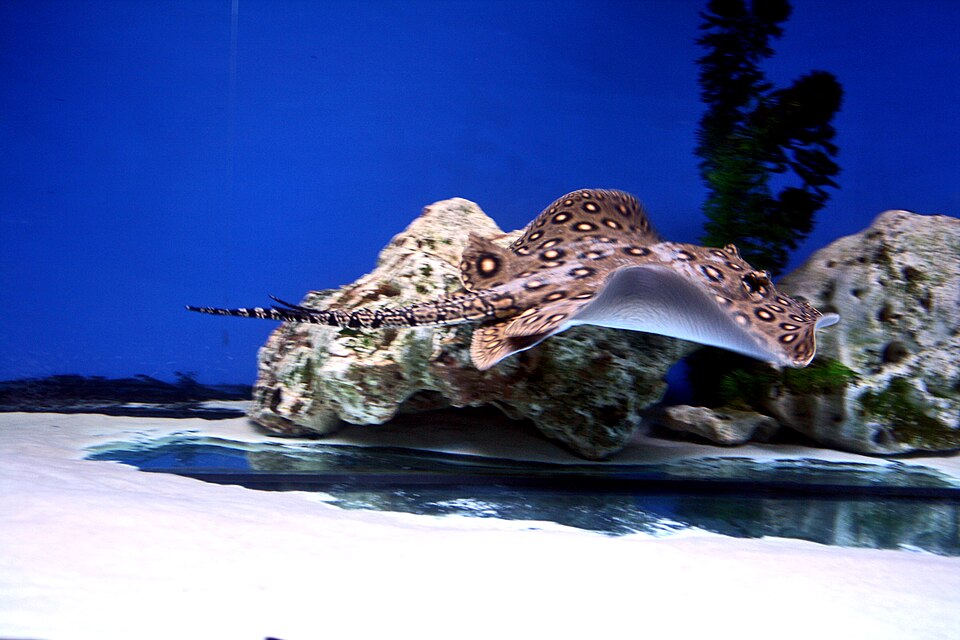
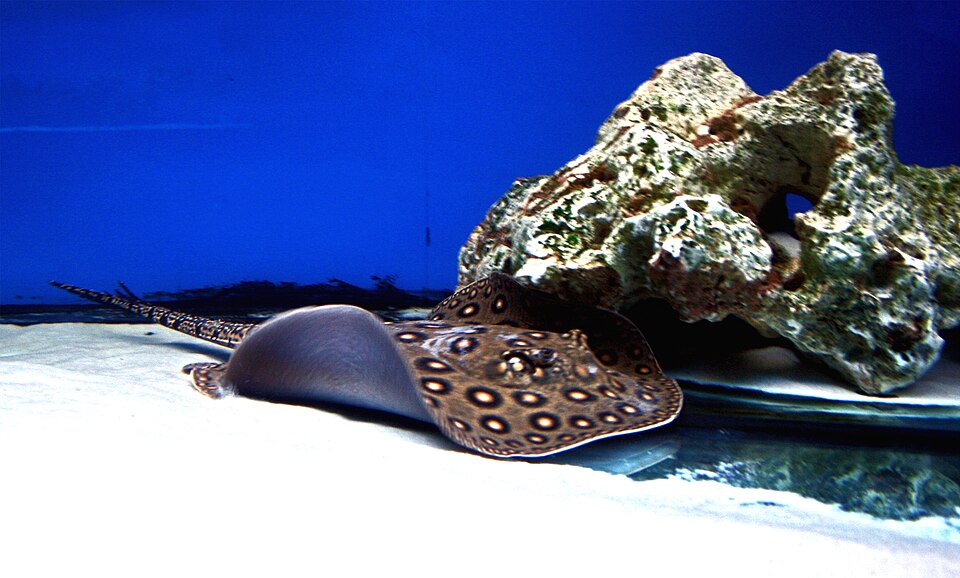
Freshwater stingrays are mostly river rays from South America (family Potamotrygonidae). The species most often seen in the hobby is the ocellate river stingray or motoro (Potamotrygon motoro), with a brown disc covered in orange-ringed spots. Others include the pearl or reticulated stingray and various hybrid and color forms. Smaller species exist but are still not small by aquarium standards.
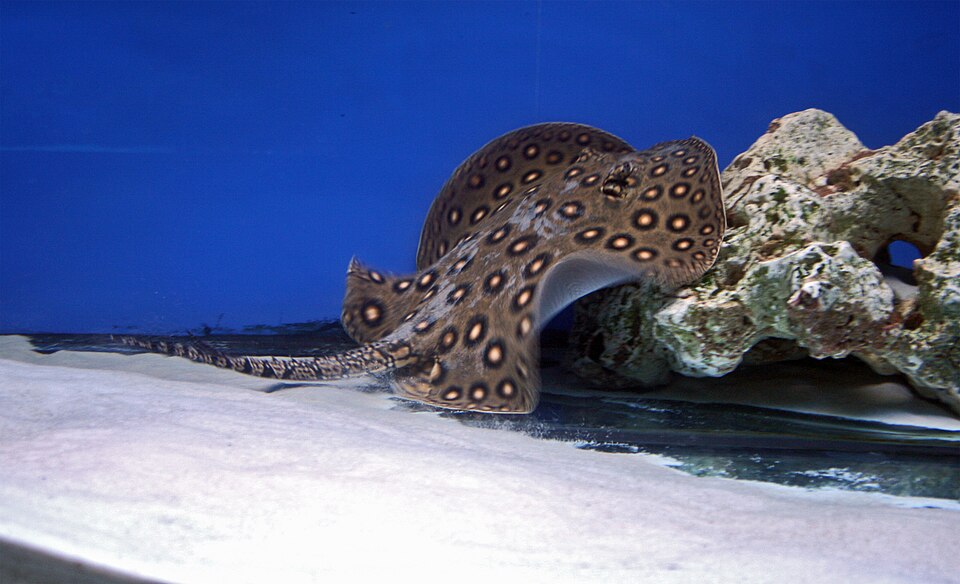
Species identification matters, because adult size and needs vary. Ask a specialist breeder for the exact species and verify the animal is captive-bred, since wild-caught rays are harder to acclimate.
Size and Lifespan
A motoro’s disc commonly reaches 18 to 24 inches (45 to 60 cm) in diameter, and the tail adds more length. Smaller species stay under that, but the disc size is still much more than most home aquariums can hold. With good care, rays commonly live 15 years or more. This is a long-term commitment, so plan your future housing, not just a baby ray in a small tank.
Freshwater Stingray Tank Size
Baby rays are sold small, but they grow quickly. Plan for the adult’s footprint, not height:
- Adult motoro: a tank at least 6 feet long by 3 feet wide (roughly 180 to 300 gallons), with larger being better.
- Smaller species: still a minimum of 4 to 5 feet long and 2 to 3 feet wide.
- Floor space matters more than depth, since rays live on the bottom. A water depth of about 18 inches is common.
Setup essentials:
- Soft, fine sand. Rays bury themselves and sift sand, so sharp gravel can injure them. A fine aquarium sand is essential.
- Very strong biological filtration. Rays are heavy eaters and produce a lot of waste. Use oversized canister or sump filtration, plus a large canister filter with plenty of media.
- Open swimming space. Keep decor minimal and smooth. Use a few smooth rocks or driftwood without sharp edges.
- Stable heater. Use two aquarium heaters and protect them with guards, as rays can burn themselves on exposed heaters.
- Secure lid. Rays can leap or push out of the water.
Water Parameters
Rays need established, stable water. A tank should be fully cycled and run for months before a ray goes in. Many experienced keepers wait six months or more.
- Temperature: 76 to 80°F (24 to 27°C)
- pH: 6.0 to 7.5, stable
- Ammonia and nitrite: 0 ppm
- Nitrate: under 20 ppm, lower is better
- Hardness: soft to moderately hard
Do not use copper-based treatments, and be cautious with salt and many medications, because rays are very sensitive. Test often with a freshwater test kit, and do regular partial water changes using treated, temperature-matched water.
What Do Freshwater Stingrays Eat?
Rays are carnivores. A freshwater stingray diet should include:
- Earthworms and nightcrawlers
- Shrimp, krill and mussels
- Whole fish such as silversides or tilapia pieces
- Quality sinking carnivore pellets once the ray accepts them
Feed once or twice a day to a young ray, and once a day or every other day for adults. Offer food right in front of the ray, because they find it by smell and by touch. Avoid beef or other mammal meat, which is hard for them to digest. Remove uneaten food quickly.
Temperament and Tank Mates
Stingrays are generally calm and curious, but they are predators of anything small enough to eat. They also bury in sand, so bottom-dwelling tank mates compete for the same space.
Good freshwater stingray tank mates are large, peaceful and fast enough to avoid trouble, such as:
- Silver dollars and other large tetras (see our silver dollar guide)
- Larger, peaceful cichlids or discus in matching water, with care
- Large peaceful catfish that stay mid-water
Avoid aggressive cichlids, fin nippers and any fish small enough to be swallowed. Many keepers also say a species tank is the safest choice. If you are tempted by other large predators, see our guides on the arowana and bichirs, but note that these also have specific needs.
Venom and Handling Safety
Rays have a venomous barb on the tail. A sting is very painful and can cause serious injury, so take it seriously:
- Never handle your ray with bare hands.
- Use a net or container for moves, and avoid reaching in without care.
- Know where the nearest hospital is, and tell medical staff you were stung by a stingray. Hot water immersion is commonly used for pain, but seek medical care.
Some people have the barb trimmed. That is a decision to discuss with an experienced exotic veterinarian.
Breeding
Freshwater stingrays are live-bearers. A female gives birth to a small number of fully formed pups after a gestation of several months. Breeding in a home tank is difficult, because it needs a large, mature setup, compatible adults and a plan for the pups. It is best left to experienced keepers or specialist breeders.
Common Health Problems
- Poor water quality: ammonia burns and stress, the leading cause of losses.
- Bacterial infections and sores, often on the disc or tail. See bacterial infections in aquarium fish for general background.
- Parasites, especially in wild-caught or newly imported rays.
- Refusing food: often tied to stress, poor water or a recent move.
Because rays are sensitive to many treatments, ask a specialist or exotic vet before medicating.
How Hard Is Freshwater Stingray Care?
Difficulty: expert. A ray demands a huge, mature tank, excellent filtration, a high-protein diet, safe handling, and the budget to keep it for 15 years or more. If you are still learning, practice with a smaller predator or a simpler species before considering one.
Freshwater Stingray Care FAQ
What size tank does a freshwater stingray need?
For an adult motoro, at least 6 feet by 3 feet. Rays need floor space more than height.
How long do freshwater stingrays live?
Commonly 15 years or longer with good care.
What do freshwater stingrays eat?
Earthworms, shrimp, krill, mussels, whole fish pieces and sinking carnivore pellets.
Can freshwater stingrays live with other fish?
Yes, with large, peaceful, mid-water fish. They will eat anything small enough to swallow.
Are freshwater stingrays dangerous?
Their tail barb is venomous and a sting is painful. Handle with care and use equipment, not bare hands.
Can a beginner keep a stingray?
We do not recommend it. Rays suit experienced keepers with a large, mature tank.
Final Thoughts
A freshwater stingray can be an unforgettable pet for the right keeper. Plan the tank first, wait for the water to mature, buy a captive-bred animal and budget for the long haul.
Have you kept rays? Tell us your tank size and what you would do differently in the comments.
Disclaimer: This article is general information, not veterinary or medical advice. For serious or persistent problems, consult an aquatic veterinarian or a physician.