
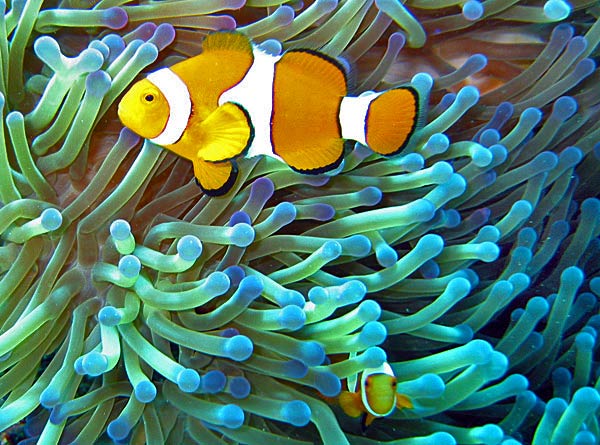
If your saltwater fish has small white salt-like spots, is scratching on rock, or is breathing fast, the most likely culprit is marine ich (also called saltwater ich or ick). It is a parasite, Cryptocaryon irritans, and it will not go away on its own in a display tank. The fix is to break its life cycle: treat the fish in a separate tank, or remove them from the display for a long fallow period, while keeping water quality and stress low.
This guide covers every common way people ask this question: how to treat ich in a saltwater tank, in a reef tank, "will marine ich cure itself," and marine ich versus velvet.
Most Common Causes of Marine Ich Outbreaks
- New fish added without quarantine. By far the most common source. Wild-caught fish often carry a few parasites.
- Stress from shipping or bullying. Stress lowers a fish's resistance, so a low-grade infection explodes.
- Temperature swings. Unstable temperature, often from a failing heater, can trigger outbreaks.
- Poor water quality or low oxygen. Ammonia, nitrite or very high nitrate weaken fish.
- Poor diet. Underfed or poorly fed fish are less able to resist.
- Susceptible species. Tangs, angelfish, butterflyfish and wrasses are especially prone. Our yellow tang care guide and clownfish care guide touch on this.
Symptoms: What Marine Ich Looks Like
- Tiny white dots, like grains of salt, on the fins, body or gills
- Fish flashing or scratching against rock and sand
- Rapid breathing or gill movement (a sign of gill infection)
- Cloudy eyes or a dull, pale body
- Hiding, lethargy and refusing food
- Spots that come and go from day to day
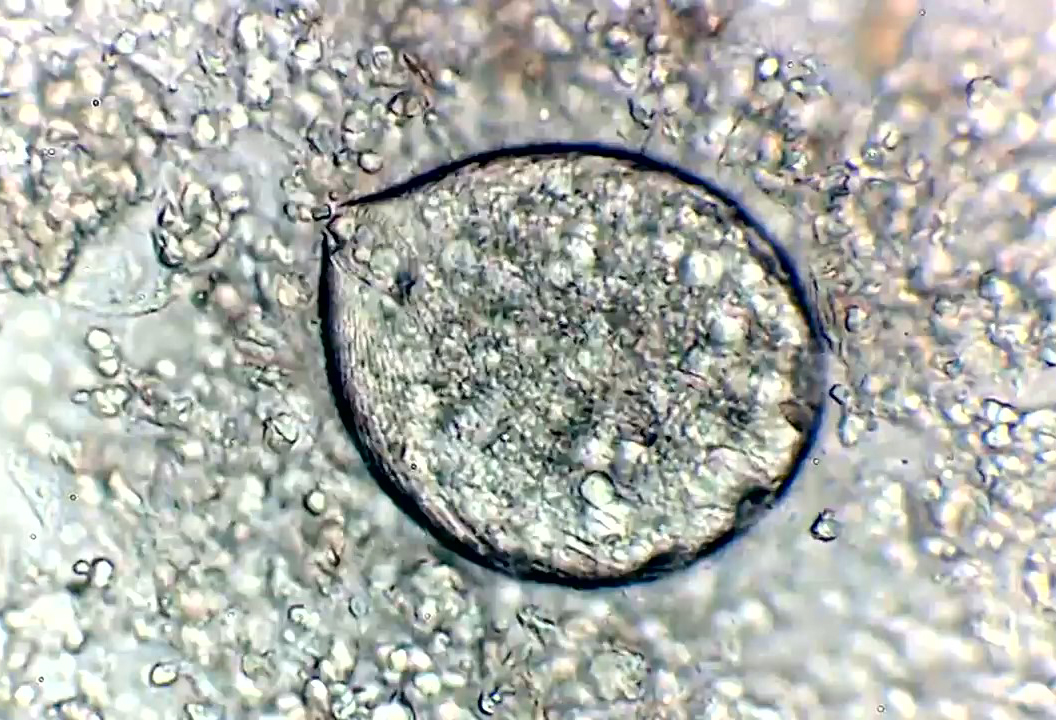
Spots can disappear for days and return. That does not mean the fish has recovered. The parasite has simply dropped off to reproduce.
How to Tell Ich from Velvet and Other Look-Alikes
- Marine ich: Larger, distinct white dots, about the size of a grain of salt, scattered on the fins and body.
- Marine velvet (Amyloodinium): Much finer, dust-like gold or white coating, often with very rapid breathing and quick deaths. It is deadlier and needs different treatment, so look closely.
- Lymphocystis: Cauliflower-like white clusters on fins. It is a viral growth, not a parasite.
- Brooklynella: Slimy white patches, often on clownfish, usually with heavy mucus.
If you are unsure, compare with our general white spots on fish guide, but remember that freshwater ich medications and saltwater treatments are not interchangeable.
Understand the Life Cycle (This Is the Key)
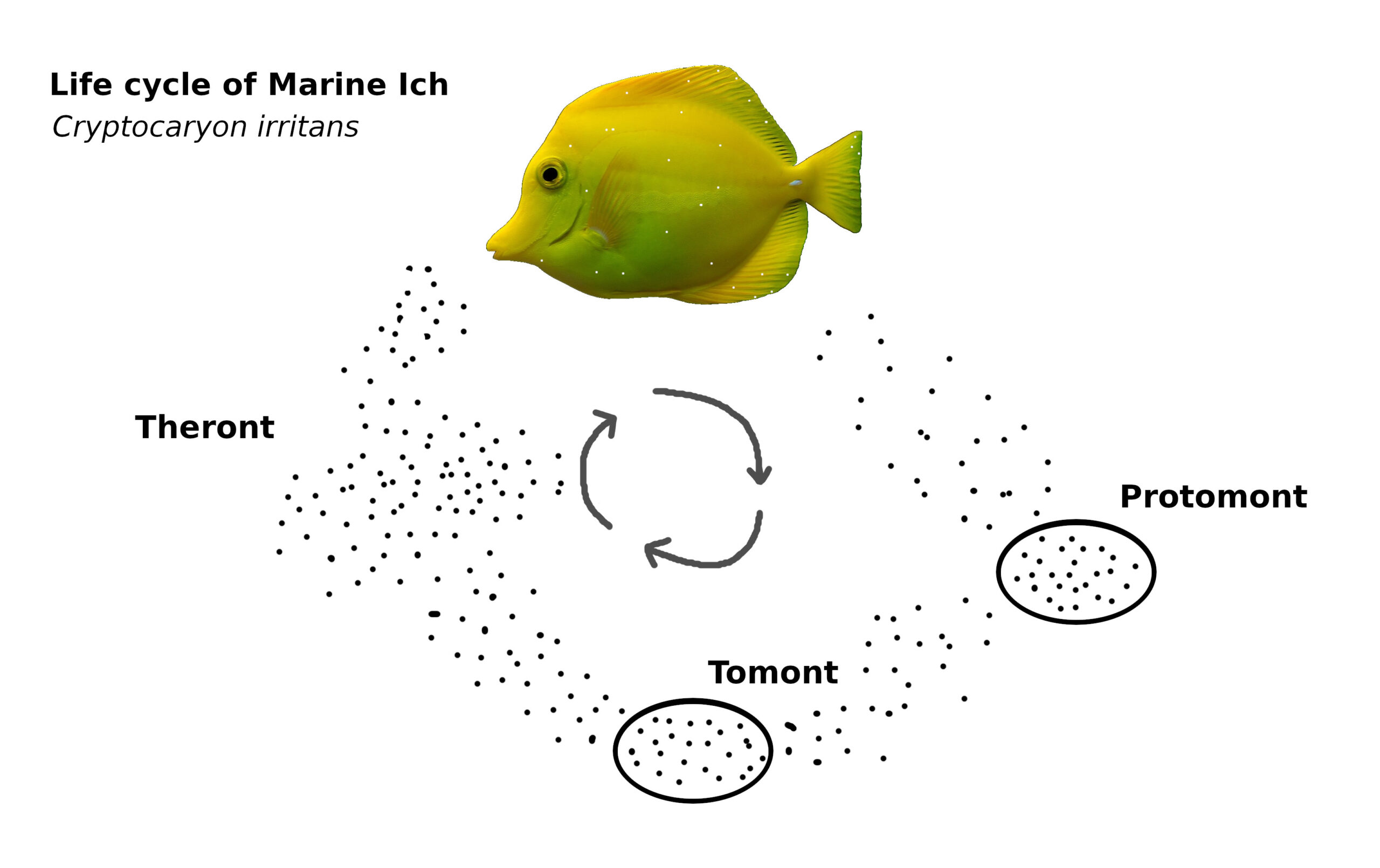
The visible spot on the fish is the feeding stage. It drops off, forms a cyst on the substrate, and releases hundreds of free-swimming parasites that look for a new host. Medications only work on the free-swimming stage and cannot reach the feeding stage under the skin. That is why one dose never fixes it, and why the display tank itself stays infected as long as fish are in it.
How to Treat Marine Ich Step by Step
Step 1: Fix the basics immediately
Test ammonia, nitrite, nitrate, salinity and temperature with a saltwater test kit. Correct problems and keep temperature steady. Feed good food to boost the fish's immune response.
Just a heads up: some of the links in this post are affiliate links, which means I may earn a small commission if you buy through them. But no worries, it is at no extra cost to you. Also, as an Amazon Associate I earn from qualifying purchases.
Step 2: Set up a hospital tank
Move every fish to a bare hospital tank with a heater, a sponge filter and PVC hides. Our quarantine tank setup guide explains the setup. Treat only in this tank, never in a reef display.
Step 3: Choose a treatment
- Copper-based treatment: Copper kills the free-swimming stage and is the standard, but it must be kept at the labeled therapeutic level and checked daily with a copper test kit. Copper kills invertebrates and corals and is toxic to some sensitive fish.
- Chloroquine phosphate: Another well-known treatment used for ich and velvet, usually requiring a prescription or careful sourcing. Follow the dosing instructions exactly.
- Tank transfer method: Moving fish to a fresh tank every few days to avoid cysts hatching. It takes effort but avoids medication.
- Hyposalinity: Lowering salinity is an older approach. It is less reliable and harder to maintain than copper. Many hobbyists now avoid it.
Medications labeled "reef safe" for ich are generally not proven to cure it. Our top 5 aquarium medications roundup covers general options, but always read saltwater-specific labels.
Step 4: Run the display tank fallow
Leave the display tank without fish for at least 76 days (a commonly recommended minimum, giving the parasite time to starve). Keep corals, snails, and cleanup crew in it, since they are not hosts. Keep the temperature at normal reef levels.
Step 5: Return fish carefully
After the treatment finishes and the fallow ends, return fish gradually. Acclimate slowly and monitor for relapse.
Can You Treat Marine Ich in a Reef Tank?
Not safely with copper. You have two realistic options: remove the fish to a hospital tank (best) or accept a risky "manage" approach with garlic-soaked food, UV sterilizers or cleaner shrimp, which may reduce parasite load but rarely eliminates it. Cleaner shrimp like those in our cleaner shrimp care guide can pick off a few parasites but are not a cure. Many experienced reefers consider tank transfer plus fallow the only reliable way.
When It Is Serious
Rapid breathing, fish hanging near the surface or bottom, heavy gill involvement, or a fish that stops eating means the parasite is in the gills. Act the same day. A fish that has been heavily infected for days can die even after treatment starts. If you can, consult an aquatic veterinarian who sees marine fish.
How to Prevent Marine Ich
- Quarantine all new fish for 4-6 weeks, ideally with a prophylactic treatment plan.
- Buy from sources that quarantine their fish and ask to see them eating.
- Keep temperature stable with a reliable heater and controller.
- Avoid overcrowding and aggressive tank mates.
- Feed a varied diet with vitamin-enriched foods.
- Do not add water, rock or equipment from other tanks.
See our saltwater aquarium setup guide for building a system that supports quarantine from the start.
From Aquagram
Explore AquagramTest Account
Hello aquarists!
Dan GL
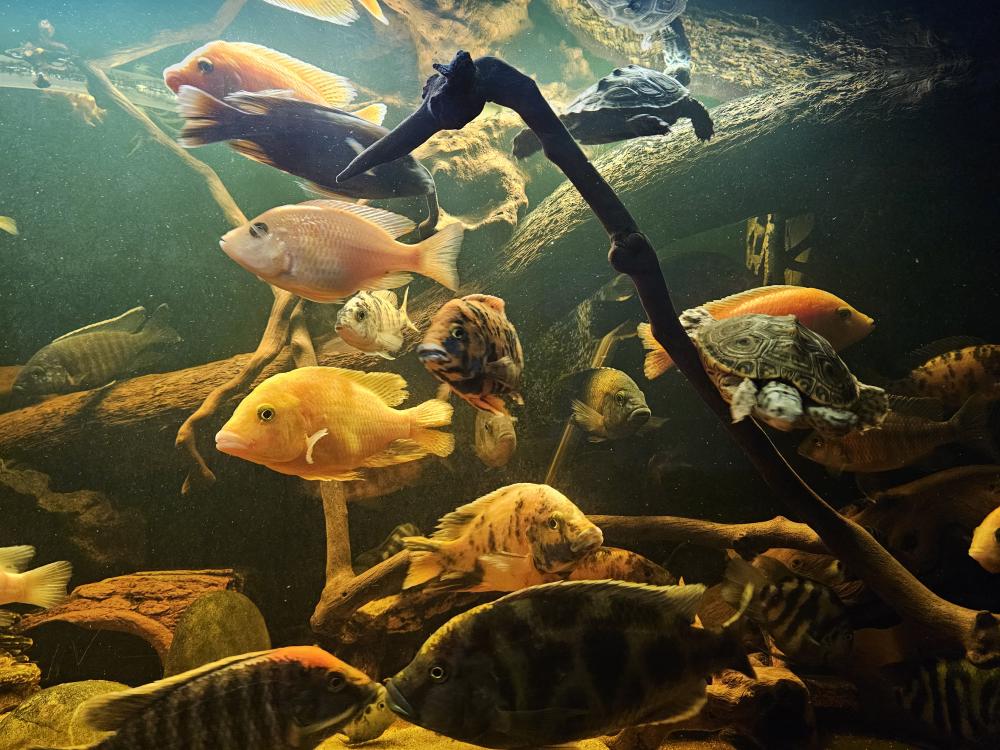
A view of my 125 gallon aquarium. Lots of fish and a few Northern Diamondback Terrapins too! 😁
SwitchTank
Incredible!
Marine Ich FAQ
How do I treat ich in a saltwater tank?
Remove the fish to a hospital tank, treat with copper or chloroquine, and leave the display fish-free for at least 76 days.
Can marine ich go away on its own?
Sometimes a healthy fish fights off a light infection, but in a closed tank the parasite usually keeps cycling. Do not count on it.
How do I treat ich in a reef tank?
Treat fish outside the reef. Copper in a reef tank kills invertebrates and corals. Use a hospital tank and run the display fallow.
Is marine ich fatal?
It can be, especially when the gills are infected or the fish is already stressed. Early action gives the best outcome.
What is the difference between marine ich and velvet?
Ich appears as larger, distinct white dots. Velvet looks like a fine dust and is usually faster and deadlier.
Is marine ich the same as freshwater ich?
No. They are different parasites. Freshwater ich treatments (like salt or some medications) do not work for marine ich.
Do clownfish get ich?
Yes, though they are often more resistant than tangs. See our guides to ocellaris clownfish for general care.
Final Thoughts
Marine ich is frustrating because the parasite lives in the tank itself, but it is beatable. Quarantine new fish, treat in a separate tank, and run the display fallow, and you can solve it for good.
Have you beaten ich in a saltwater tank? Share what worked for you in the comments.
Disclaimer: This article is general information, not veterinary advice. For serious or persistent problems, consult an aquatic veterinarian.