
As an Amazon Associate I earn from qualifying purchases. This post contains affiliate links, which means I may earn a small commission at no extra cost to you.
Most fishkeepers learn about quarantine the hard way: one new fish goes into the display tank and a week later the whole tank has white spots. A quarantine tank (often called a QT) is the cheapest insurance in the hobby, and it doubles as a hospital tank when a fish gets sick.
This quarantine tank setup guide explains what you need, what size to choose, how to cycle it, and how long new fish should stay.
Why You Need a Quarantine Tank
Fish from a store, a friend or an online seller can carry parasites, bacteria and viruses without showing signs. Stress from shipping can then trigger disease. A separate tank lets you:
- Observe new fish for several weeks before they meet your existing fish.
- Treat problems without medicating your display tank, killing plants, snails or shrimp.
- Feed and rest a shy or underweight fish with no competition.
- Isolate a sick or injured fish from aggressive tank mates.
Our guides to white spot disease, fin rot and bacterial infections show how common these problems are, and how much easier they are to deal with in a small, empty tank.
Do I Need a Quarantine Tank?
If you keep more than a single fish, or plan to add fish later, yes. It matters most for saltwater fish, where tangs, wrasses and many wild-caught fish are prone to marine ich, and for expensive or delicate species such as discus. A small freshwater community of hardy fish carries less risk, but the same logic applies.
Quarantine Tank Size
The right quarantine tank size depends on the fish:
- Small fish (tetras, guppies, bettas, small gobies): 5-10 gallons.
- Medium fish (angelfish, most community fish, small saltwater fish): 10-20 gallons.
- Larger fish (tangs, large cichlids, goldfish): 20-40 gallons, or larger for big fish like koi.
A rough rule is to choose a tank big enough for the fish to turn around and swim comfortably. Very small tanks make water quality swing quickly. A 20-gallon long is a popular all-round size.
Quarantine Tank Equipment List
A QT should be simple, bare and easy to clean.
- Tank with a lid. Stressed fish jump.
- Heater. A reliable adjustable aquarium heater sized for the tank, set to match the display.
- Sponge filter. An air-driven sponge filter is gentle, cheap, and does not strip medication from the water as carbon does.
- Air pump with airline tubing.
- Bare bottom. No gravel or sand means you can see waste and clean easily.
- Hides. Cut pieces of PVC pipe (3 or 4 inch) or fittings let fish feel safe, and are easy to sterilize.
- Test kit. A liquid test kit for freshwater, or a saltwater test kit for marine tanks.
- Dechlorinator. A quality water conditioner for tap water.
- A dedicated net, bucket and siphon. Never share these with your display tank.
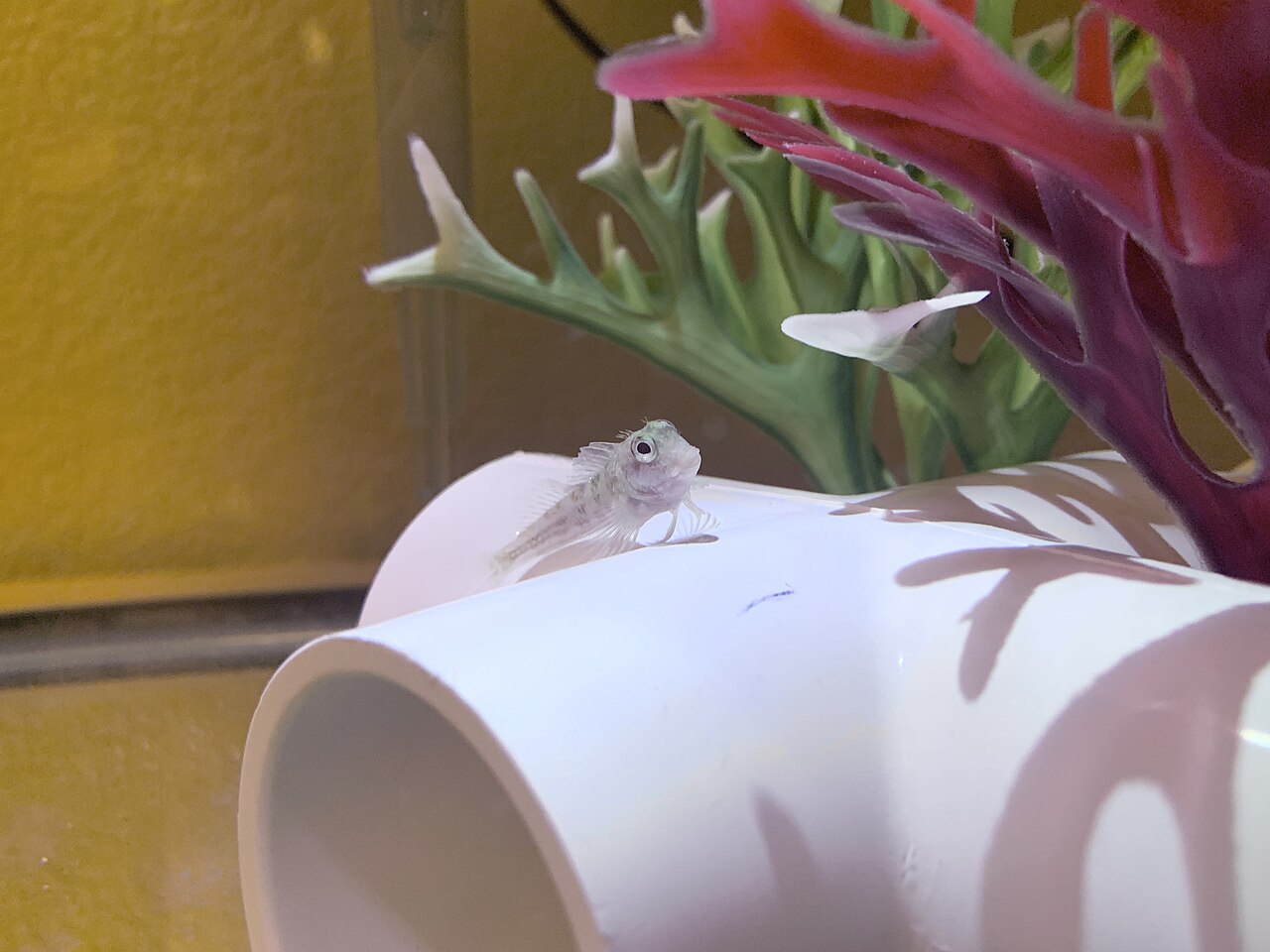
Photo: Coughdrop12 (CC BY-SA 4.0), via Wikimedia Commons. A simple PVC fitting makes a perfect, easy-to-clean hide.
For saltwater, add a refractometer and mix water with quality reef salt to match the display tank’s salinity.
How to Cycle a Quarantine Tank
Fish produce ammonia, and a QT with no bacteria can become toxic quickly. You have three options:
- Run the QT permanently. Keep the sponge filter running in your display tank or sump so it is always seeded with beneficial bacteria, then move it to the QT when needed. This is the easiest approach.
- Seed a new tank. Use a mature sponge filter or filter media from an established tank, then add a small amount of fish food or ammonia to keep it running. Our cycling guide explains the nitrogen cycle.
- Use water changes. If the tank is not cycled, test daily and change water as needed, along with an ammonia-detoxifying conditioner.
Whatever you choose, test ammonia and nitrite regularly. They should read 0 ppm.
How to Set Up a Freshwater Quarantine Tank
- Place the tank somewhere quiet, and fill with dechlorinated water at the same temperature as the display tank.
- Install the heater, sponge filter and hides.
- Run it for a few days (or longer if you are cycling it from scratch).
- Float the bag, then acclimate the new fish slowly before moving them in. Do not add the shop water.
- Dim the lights and keep the tank calm for the first day or two.
How to Set Up a Saltwater Quarantine Tank
The steps are the same, with a few differences:
- Match salinity and temperature to the display tank, usually about 1.024-1.026.
- Use a bare bottom and PVC hides. Rock is not needed.
- Acclimate slowly, as marine fish are less tolerant of sudden changes.
- Keep it invertebrate-free, because many marine fish medications, especially copper, are lethal to shrimp, snails and corals.
Our saltwater aquarium setup guide explains the display tank, and the purple tang care guide shows why a tang especially needs a QT.
How Long Should You Quarantine Fish?
For most fish, quarantine for 4-6 weeks. Many freshwater keepers use 2-4 weeks, while saltwater keepers often run a full 4-8 weeks. The timer restarts if a new fish or disease symptom appears.
During this time:
- Watch for white spots, torn fins, clamped fins, labored breathing, rubbing on objects and loss of appetite.
- Feed well and keep the water clean.
- Do not move fish out until they are eating, active and free of symptoms.
Using the Quarantine Tank as a Hospital Tank
Because the tank is bare and has no plants or invertebrates, it is the ideal place to treat. Follow the instructions on the medication label, and remove carbon from the filter while you treat. For help choosing a treatment, see our top 5 aquarium medications and aquarium salt guide. Do not medicate blindly. Identify the problem, and if it persists, ask an experienced aquarist or aquatic veterinarian.
Cleaning and Storing Your Quarantine Tank
After use, empty the tank and clean everything with hot water or a diluted bleach solution, then rinse and dry it completely. Keep the heater and net dry. Store the sponge filter in a bucket of tank water if you want to keep it seeded, or keep it running in the display tank.
Quarantine Tank FAQ
What size quarantine tank do I need?
Usually 10-20 gallons, bigger for large fish.
Does a quarantine tank need to be cycled?
Yes, or you need to test and change water often. A seeded sponge filter is the easiest solution.
Can I quarantine fish without a tank?
A plastic tub with a heater and air pump works for a short time, but a proper tank is safer.
Should I quarantine live plants and invertebrates?
Plants can carry pests and snails, so rinse or dip them. Invertebrates should be kept away from fish medication.
How long to quarantine saltwater fish?
Commonly 4-8 weeks.
Final Thoughts
A quarantine tank is not glamorous, but it protects your fish, your money and your peace of mind. Keep a simple one ready, use it for every new fish, and it will quickly pay for itself.
Disclaimer: This article is general information, not veterinary advice. For serious or persistent problems, consult an aquatic veterinarian.
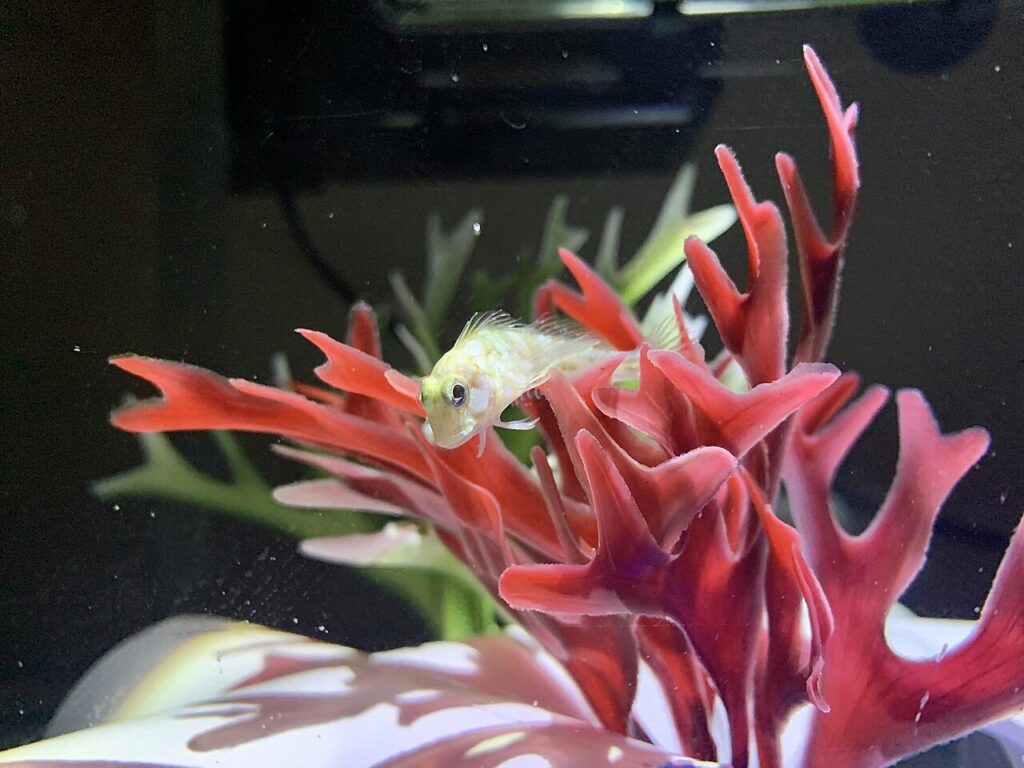
Image credits: featured and inline quarantine photos by Coughdrop12 (CC BY-SA 4.0), via Wikimedia Commons.