
If your coral is not opening, the most likely causes are a recent move or acclimation, flow that is too strong or too weak, light that is too intense or too different from where it was grown, a swing in water parameters, or a pest or irritant nearby. Test your salinity, alkalinity, temperature and nutrients first, then look at flow, light and neighbors. A coral that stays closed for a day or two after you bring it home is normal. One that stays closed for weeks, or shrinks and loses color, needs action.
Whether you searched “my coral is not opening,” “zoas not opening fully,” “hammer coral not opening up” or “corals not opening after water change,” the diagnosis follows the same logic. This guide goes through every common cause in order of likelihood, shows how to tell which one applies to your tank, and explains how to fix it.
Is a Closed Coral Always a Problem?
No. Corals open and close for normal reasons, so check these before you change anything.
- New corals. Expect 3-10 days of staying closed or partly open after shipping and acclimation. Zoanthids, mushrooms and leather corals are quick to recover. Euphyllia (hammer, torch, frogspawn) and many LPS can take a week or two.
- Day and night cycles. Many soft corals and LPS retract partly or fully at night, or fully open only under certain lights. Some Euphyllia extend sweepers only after lights go out.
- Feeding and spawning. Corals often close while digesting a meal or reacting to a food-laden water column.
- Time of day and light schedule. Corals may stay closed in the first hour or so after lights come on, especially under a ramped schedule.
What matters is a change from that coral’s normal behavior combined with other signs: shrinking tissue, receding flesh, loss of color, slime, or a bad smell.
Most Common Causes (Ordered by Likelihood)
- Recent addition, move or fragging. The coral is still adjusting to new light, flow and water. Moving a coral to a new spot is one of the most common reasons it closes.
- Wrong flow. Too much flow blasts polyps and keeps them closed, while too little lets detritus settle on them. Most corals want a gentle, random, indirect flow.
- Wrong light. A coral kept under dim store lights and then placed high under a strong reef LED can shut down and bleach. The reverse, a high-light coral placed low, can also close and stretch.
- Unstable or off-range water parameters. Salinity swings, a temperature spike, a fast alkalinity change or low and wildly fluctuating nutrients all trigger closing. This is why corals often close after a water change made with badly matched saltwater.
- Ammonia, nitrite or very high nitrate. Tank problems like a dead fish, overfeeding or a failed skimmer or filter stress corals quickly.
- Aggressive neighbors. Sweeper tentacles, chemical warfare from zoas or leathers, and rapidly growing corals touching each other can all keep a coral closed.
- Pests. Nudibranchs, red bugs, flatworms and Montipora-eating or zoa-eating nudibranchs, or pyramellid snails, irritate and weaken corals.
- Chemicals and contaminants. Airborne sprays, cleaners, a new unrinsed piece of equipment, carbon dust, or too much dosing can make a tank unpleasant for corals.
- Disease and tissue decline. Brown jelly, rapid tissue necrosis or bacterial infection cause shrinking, slime or flesh falling off the skeleton. These are urgent.
How to Diagnose Which Cause Applies
Step 1: Ask what changed
Think back 48 hours. A new coral, a re-scape, a new light or timer, a water change, a new pump, a medication, or a dosing change? Corals that close right after a change usually reopen once the cause is corrected and conditions are stable.
Step 2: Test the basics
Use a reliable saltwater test kit and a refractometer rather than a swing-arm hydrometer. Typical reef targets are:
Just a heads up: some of the links in this post are affiliate links, which means I may earn a small commission if you buy through them. But no worries, it is at no extra cost to you. Also, as an Amazon Associate I earn from qualifying purchases.
- Salinity 1.024-1.026 (35 ppt)
- Temperature 76-79°F, stable within a degree or two per day
- Alkalinity about 7-9 dKH, with minimal daily swings
- Calcium about 400-450 ppm and magnesium about 1250-1400 ppm
- Ammonia and nitrite 0, nitrate low but not zero
Large swings matter more than being perfectly on target. See our guide to high ammonia in a fish tank if ammonia shows up.
Step 3: Look at flow and light
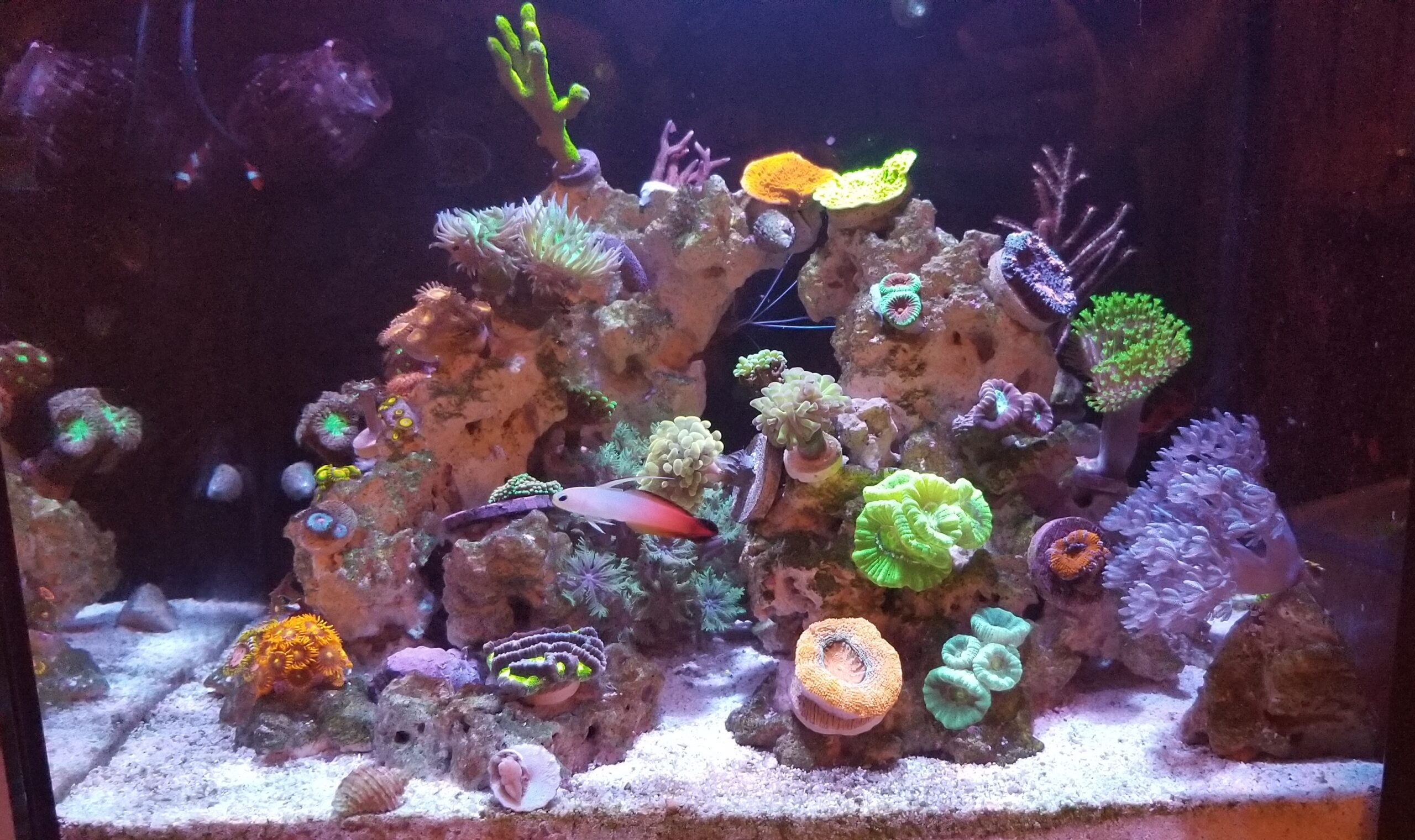
Check the coral from the polyp’s point of view. Is a pump pointing straight at it? Are polyps being pushed flat and swept sideways? Or is the coral sitting in a dead spot where sand and detritus settle? Also check your light schedule, intensity setting and how high the coral sits. Compare to where the coral was kept at the store.
Step 4: Inspect closely for pests and damage
Use a magnifier or a phone camera. Look for tiny white pyramid-shaped snails or eggs, flatworms on the flesh, red bugs, dark spots on the skeleton, or tissue that has pulled back to expose white skeleton. A coral touching or within reach of its neighbors may be getting stung.
Step 5: Rule out contaminants
Did someone spray cleaner near the tank, use an aerosol or paint, or work with carbon or chemicals nearby? Did you add a new heater, pump or skimmer that was not rinsed? Run fresh activated carbon in a reactor or bag for a few days if you suspect a contaminant.
Step-by-Step Fixes
If the coral is new
Do nothing dramatic. Place it low, in moderate flow and moderate light, away from aggressive neighbors, and leave it alone. Resist moving it every day. Most healthy corals open within a week or two. If you are adding corals regularly, read our guide to a quarantine tank, because quarantine and dipping reduce pests that cause problems later.
If flow is the problem
Redirect the pump or reduce its speed so polyps sway gently rather than pressing flat. Aim for random, turbulent movement that reaches the coral without a direct jet. If a coral sits in a dead zone, move it a few inches into gentler flow.
If light is the problem
Lower the intensity and acclimate gradually. For a coral that came from a dim environment, start low in the tank or reduce the light to 30-50% and raise it by about 10% every few days. Never go from low to full power at once, and do not move the coral up quickly.
If water parameters are the problem
Correct slowly. Fix salinity by topping off with fresh RO/DI water or adding saltwater gradually. Do not raise or lower alkalinity by more than about 1 dKH per day, and do not correct a temperature spike in a hurry. A stable, slightly imperfect tank beats a perfect number reached too quickly.

If water quality is poor
Do a partial water change using properly mixed saltwater matched to the tank’s salinity and temperature. Check that the skimmer, return pump and flow are working, remove any dead animal or decaying food, and stop overfeeding. Corals tolerate a lot, but not ammonia or a polluted tank.
If there are pests
Identify the pest first, since the treatment depends on it. Many pests are removed by dipping the coral in a coral dip, manual removal, or a species-targeted treatment. Do this in a separate container, not the display tank. For example, flatworms are often handled with a manual siphon or specific treatments, while nudibranchs and red bugs usually need targeted dips. Ask your local reef shop or an aquatic vet if unsure.
If a neighbor is stinging it
Give corals room. Moving the sweeper-heavy coral or the aggressive neighbor a few inches away often fixes it within days. Frogspawn and hammer corals need extra space, and chemical warfare from zoanthids and leathers can be handled with carbon and distance.
When to Worry
Act the same day if you see:
- Tissue receding from the skeleton, or white skeleton showing
- Brown or white slime, jelly, or a bad smell
- Rapid tissue loss across a coral in hours
- Multiple corals closing at the same time, which points to a tank-wide problem such as ammonia, salinity or temperature
- Fish also gasping or acting stressed
Pull a rapidly declining coral and isolate it in a small container of clean tank water if you can, to protect the rest of the reef. When in doubt, consult a local reef expert or an aquatic veterinarian.
Prevention
- Acclimate slowly. Float the bag, drip acclimate, and place new corals low in the tank.
- Quarantine and dip every new coral.
- Keep parameters stable. Use auto top-off and a reliable aquarium heater with a controller.
- Do regular water changes with matched, well-mixed saltwater.
- Space corals so they cannot touch or sting neighbors as they grow.
- Use a gradual light ramp and avoid sudden intensity changes.
Coral Not Opening FAQ
Why is my coral not opening up after I added it?
It is likely adjusting to new light, flow and water. Give it 3-10 days in a stable spot. If it is shrinking or losing tissue, look for other causes.
Why are my zoas not opening fully?
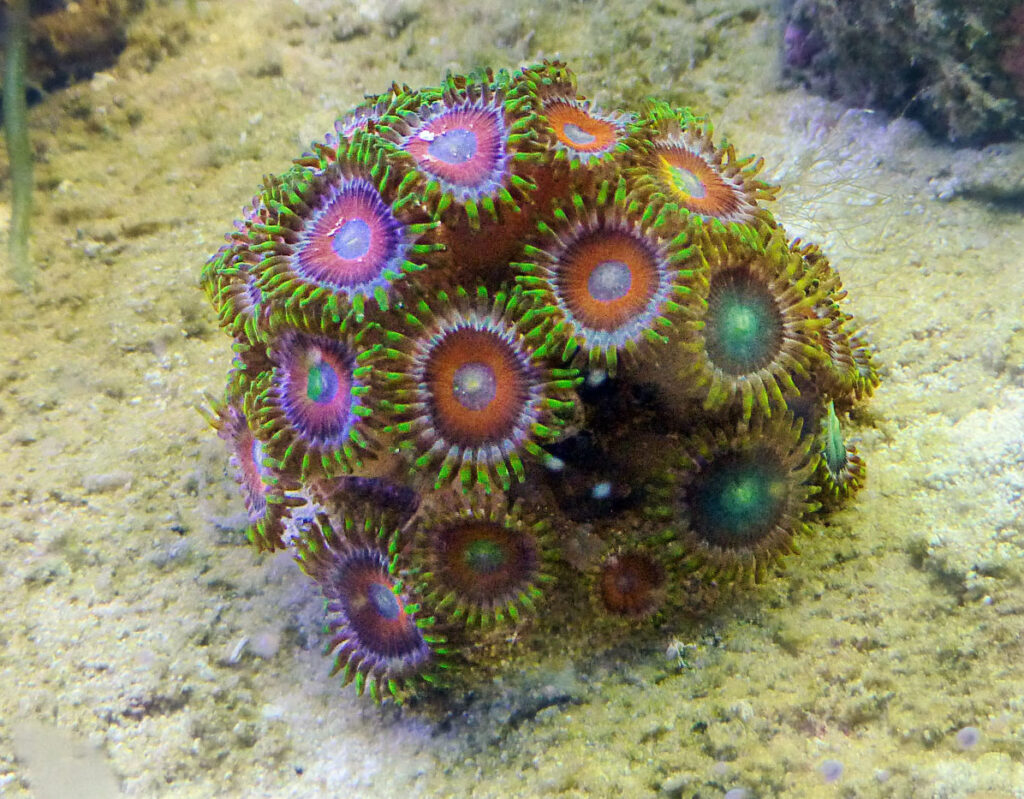
Zoanthids close for flow that is too strong, light that is too different from before, salinity swings, pests such as zoa-eating nudibranchs, or contact with aggressive neighbors. They are tough, so they usually recover after the cause is fixed.
Why is my hammer coral not opening?
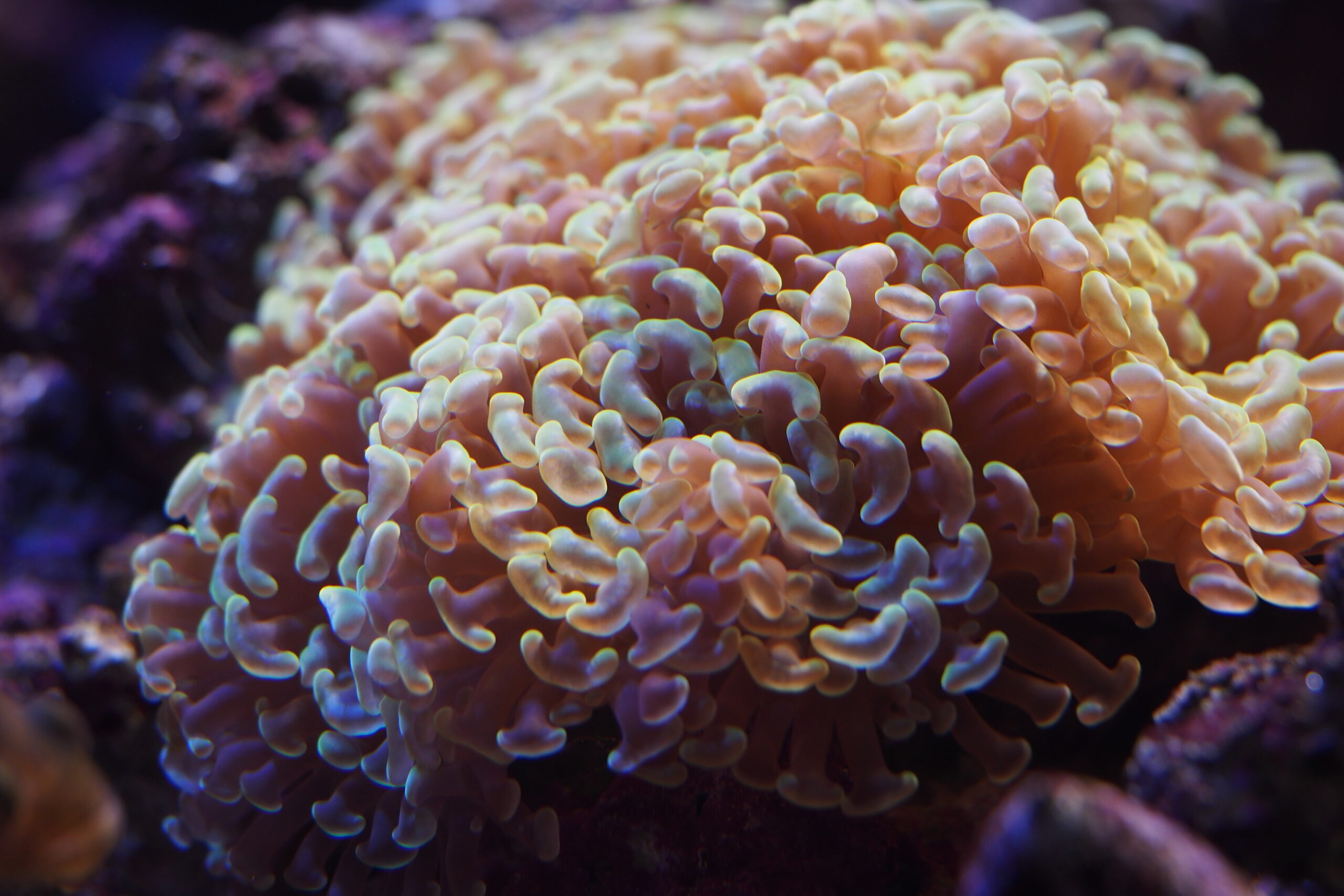
Euphyllia are sensitive to rough flow, sudden light changes and unstable alkalinity. They also fully open only when they are happy, so check flow, parameters and nearby corals.
Why are my corals not opening after a water change?
The new saltwater probably differed in salinity, temperature, or pH or alkalinity. Always mix saltwater in advance, match temperature and salinity, and test it before adding.
How long does it take a coral to open after moving it?
Usually from a few hours to about a week. Delicate corals can take longer.
Can a coral that stays closed die?
Yes, if the underlying cause is not fixed. Closed with healthy-looking tissue is usually recoverable. Receding tissue is an emergency.
Should I feed a coral that is not opening?
Not until it is open and stable. Feeding a stressed, closed coral can foul the water.
Do corals close at night?
Many do, partly or fully. That is normal.
Can too much light cause a coral to close?
Yes. Too much light can cause closing, bleaching and tissue loss, especially if the coral was recently moved or the light was changed.
Final Thoughts
A closed coral is a message, not a verdict. Check what changed, test the basics, correct one thing at a time, and then be patient. Most corals reopen once flow, light and water are stable.
Photo credits: Zoanthus dragon eye by Kazvorpal, CC BY-SA 3.0; Hammer Coral (Euphyllia ancora) by harum.koh, CC BY-SA 2.0; Nano reef aquarium, May 2020 by Treetopz, CC BY-SA 4.0; Stony coral growing in marine aquarium by Neil Skene, public domain, via Wikimedia Commons.
Disclaimer: This article is general information, not veterinary advice. For serious or persistent problems, consult an aquatic veterinarian or experienced reef keeper.