
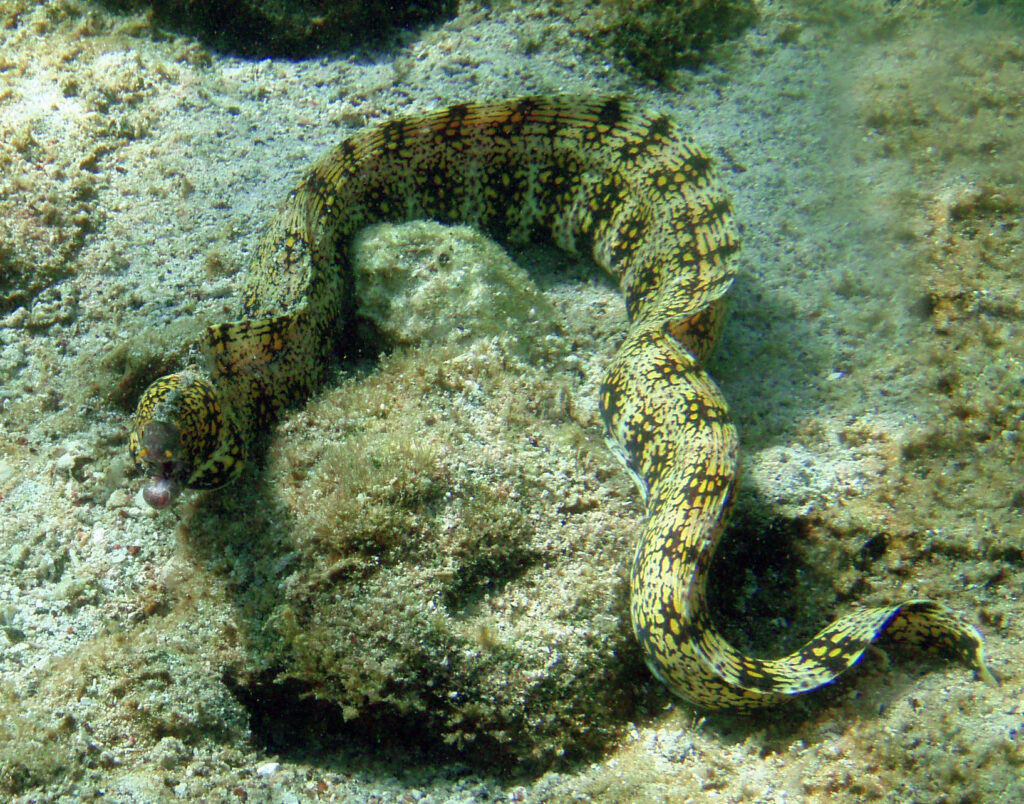
The snowflake eel (Echidna nebulosa), also called the snowflake moray, is one of the most commonly sold eels in the aquarium trade. It is also one of the most misunderstood. Stores sometimes sell it as a "freshwater" or "brackish" eel, but this is a marine species that belongs in a saltwater tank. It is hardy, confident and long-lived, but it grows large, eats small tank mates and is a talented escape artist.
This guide covers what a snowflake eel really needs and who should keep one.
Snowflake Eel Overview and Appearance
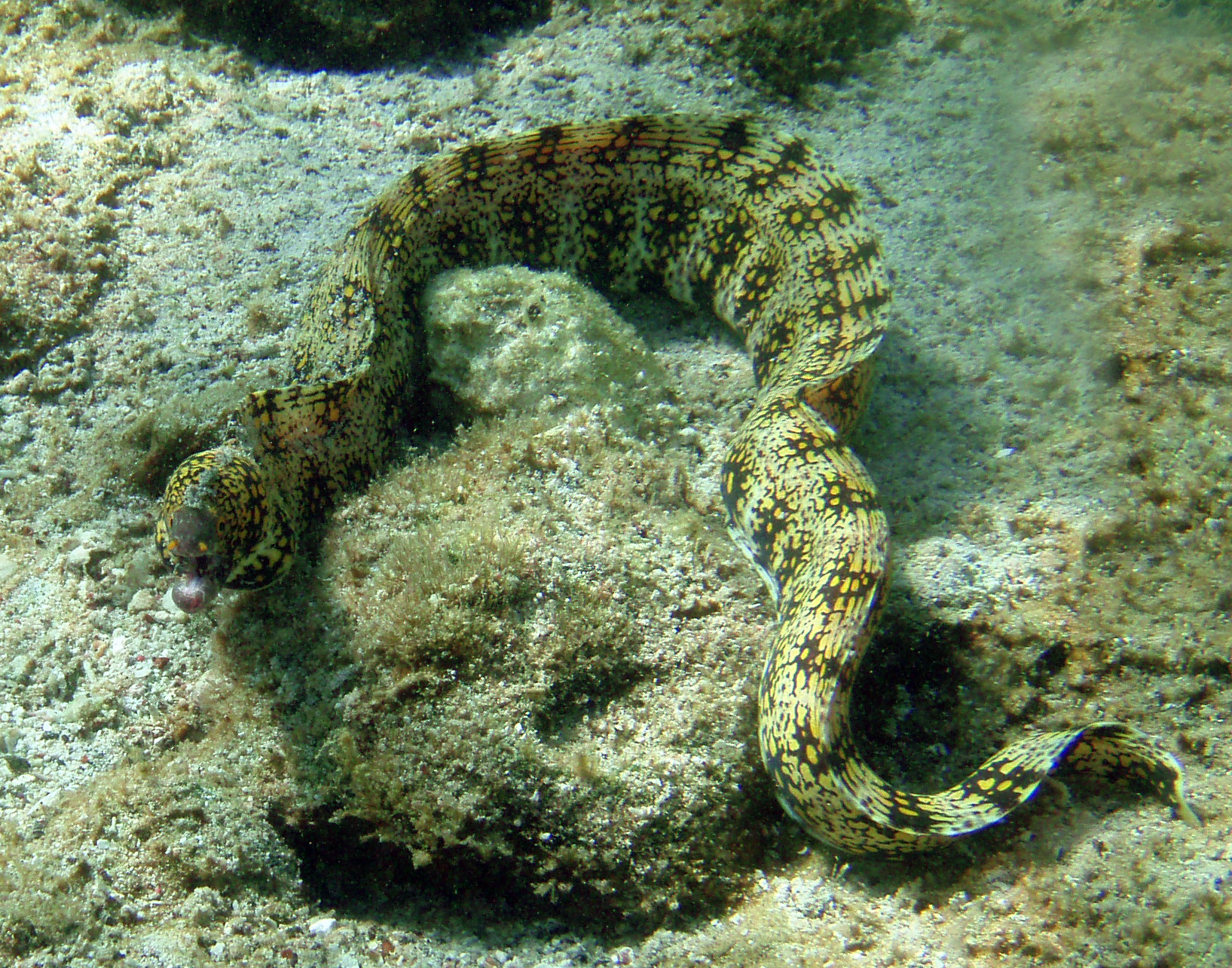
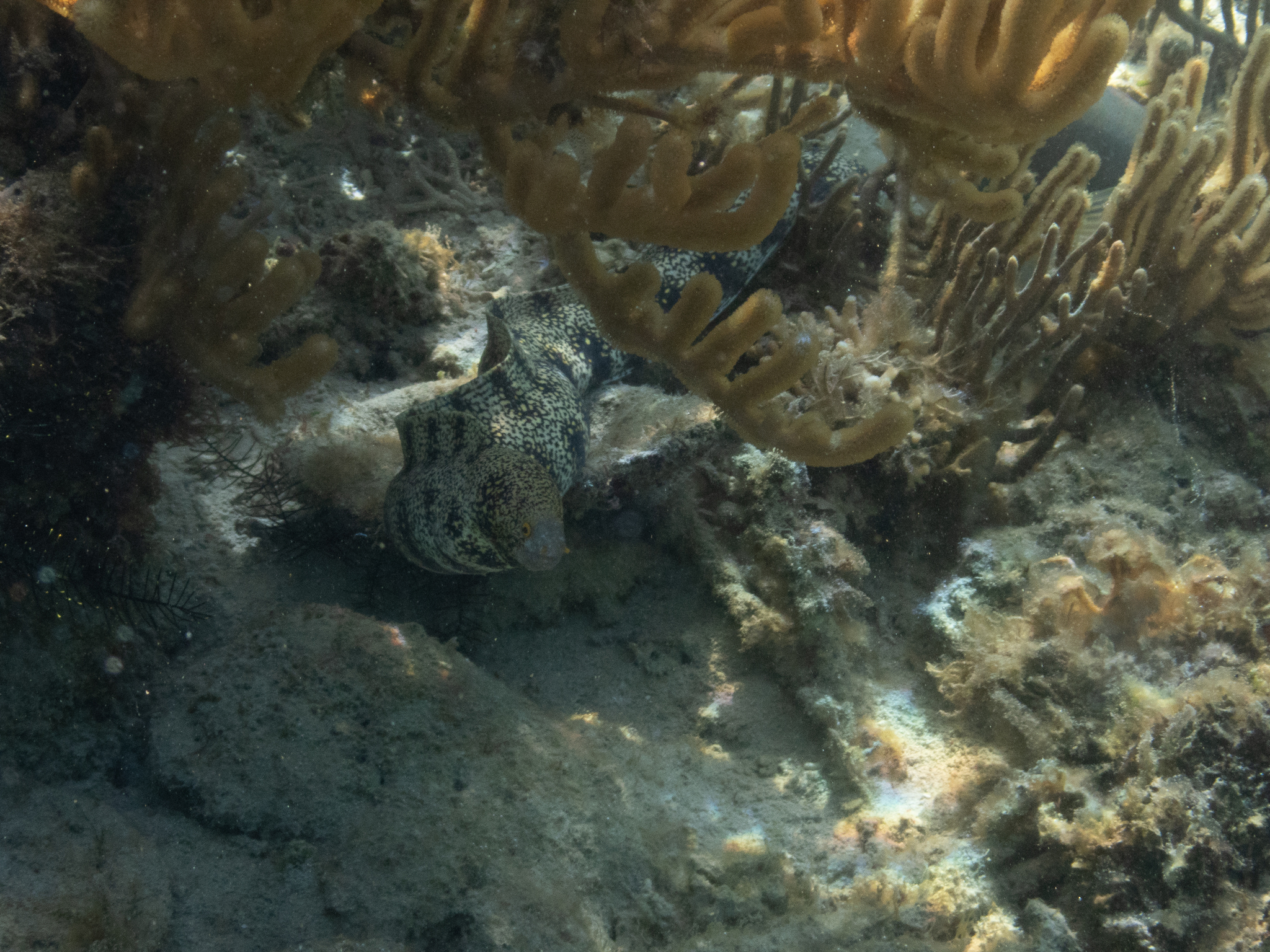
Snowflake morays live on Indo-Pacific reefs, hiding in crevices during the day and hunting at dusk. They have a cream or white body covered with black patches and yellow spots, which gives them the "snowflake" look. They have a short, blunt snout and small, rounded teeth designed to crush crabs and shrimp rather than slice fish. Their eyesight is poor, and they hunt mostly by smell.
The "Freshwater Snowflake Eel" Myth
Many stores keep snowflake eels in low-salinity or even fresh water to save money, and some tanks sell them labeled as freshwater. Young eels can tolerate low salinity for a while, but they are not freshwater fish. Long-term freshwater kills them slowly through stress, poor feeding and disease. Keep them in full marine conditions. For a comparable eel, see our zebra moray eel care guide.
Size and Lifespan
- Adult size: commonly 24-30 inches (60-75 cm), and some grow larger
- Lifespan: often well over a decade in captivity, with a good keeper
Buying a "small" 8-inch eel is a long-term commitment.
Tank Size and Setup
A juvenile can start in a 55-75 gallon tank, but an adult needs a 125-gallon or larger tank. A 180 is better.
- Lid: absolutely required. Snowflakes squeeze through tiny gaps around filter tubes and powerheads. Seal every opening with egg crate or mesh.
- Rockwork: a stable, wide-based structure with caves and tunnels. Secure it so it cannot collapse when the eel pushes through.
- Substrate: sand
- Filtration: a protein skimmer and strong biological filtration, because eels are messy, high-waste feeders
- Flow and lighting: moderate flow, dim lighting and plenty of shade
Just a heads up: some of the links in this post are affiliate links, which means I may earn a small commission if you buy through them. But no worries, it is at no extra cost to you. Also, as an Amazon Associate I earn from qualifying purchases.
If you are new to saltwater, read our guide to setting up a saltwater aquarium first. Quarantine any new fish before adding it to the main tank; see quarantine tank setup.
Water Parameters
- Temperature: 72-78°F (22-26°C)
- Salinity: 1.020-1.025 specific gravity (SG)
- pH: 8.1-8.4
- Ammonia and nitrite: 0 ppm
- Nitrate: under 20 ppm, and lower is better
- KH and calcium: standard for reef or fish-only systems
Use a refractometer and a reliable saltwater test kit. Eels are heavy waste producers, so weekly water changes keep nitrates under control.
Diet and Feeding
Snowflake eels are carnivores that naturally eat crabs, shrimp and small fish.
- Foods: frozen silversides, shrimp, squid and krill, plus fresh seafood from the grocery store
- Feeding frequency: juveniles 2-3 times a week, adults 1-2 times a week
- How to feed: use feeding tongs or a feeding stick. Eels have poor eyesight and can mistake fingers for food.
- Training: target feeding trains them to take food from one spot
- Quality: vitamin-soaked food and variety prevent deficiencies
Some eels refuse food at first or for a few days after moving. Patience, live ghost shrimp or a chunk of fresh shrimp often restarts feeding. See our ghost shrimp guide for the species most commonly used as live food.
Temperament and Tank Mates
Snowflake eels are semi-aggressive predators. They are generally calmer than other morays, but they will eat anything that fits in their mouth, including shrimp, crabs and small fish.
Safe tank mates: large, robust fish such as tangs (see kole tang care), larger angelfish, groupers and triggers. The tank mate should be big enough to be ignored.
Avoid: small fish, shrimp, crabs, ornamental invertebrates and slow, delicate fish. An eel in a reef tank often eats the cleanup crew. Eels can also bother sleeping fish at night.
Breeding
Snowflake eels have not been bred in home aquariums. Almost all are wild-caught.
Common Health Issues
- Not eating after stress or transport
- Marine ich and parasites, especially on new arrivals
- Skin infections from poor water quality
- Injuries from rough rocks or escape attempts. Smooth surfaces help.
- Starvation from keeping the eel in the wrong salinity
- Sensitivity to medications, including copper. Use caution and quarantine properly.
Eels often have dramatic feeding responses, but if a fish refuses food for weeks, shows ulcers or breathes rapidly, consult an experienced marine keeper or aquatic vet. Do not medicate the display tank.
Honest Difficulty Level
Intermediate to advanced. Snowflake eels are tough, but they need a very large saltwater tank, a perfect lid, careful tank mate selection and a plan for a 20-30 inch animal. They are a poor choice for small tanks or reefs with invertebrates.
Snowflake Eel FAQ
Is a snowflake eel freshwater or saltwater?
Saltwater. They are marine fish, sometimes sold in brackish or low-salinity tanks, but they need normal marine salinity in the long term.
How big do snowflake eels get?
Commonly 24-30 inches, and sometimes larger.
What size tank does a snowflake eel need?
A juvenile can start in a 55-75 gallon tank, and an adult needs 125 gallons or more.
Are snowflake eels reef safe?
No. They eat shrimp, crabs and small fish, and they are not reef safe.
What do snowflake eels eat?
Frozen and fresh shrimp, crab, squid, krill and silversides.
How often should I feed a snowflake eel?
Juveniles 2-3 times a week, adults 1-2 times a week.
Can snowflake eels live with other fish?
Yes, with large, robust fish that cannot be eaten. Do not keep them with small fish.
Do snowflake eels bite?
They can, and mistakes happen at feeding time. Use tongs.
Are snowflake eels aggressive?
Semi-aggressive. They are usually peaceful with large tank mates but are predators of anything small.
Why is my snowflake eel not eating?
Stress, moving, wrong salinity, bad water quality or a lack of hiding places. Be patient and check the water.
Can snowflake eels escape?
Yes, very easily. Use a tight lid and cover every gap.
Final Thoughts
Snowflake eels are charismatic, hardy predators, but they are demanding in space, care and commitment. Give them a large saltwater tank, a lid with no gaps, and tank mates they cannot swallow, and they can be a rewarding long-term pet.
Photo credits: Snowflake moray in Kona by Brocken Inaglory, CC BY-SA 3.0; Echidna nebulosa 435950227 by Justin Philbois, CC0, via Wikimedia Commons.
Disclaimer: This article is general information, not veterinary advice. For serious or persistent problems, consult an aquatic veterinarian.