
As an Amazon Associate I earn from qualifying purchases. This post contains affiliate links, which means I may earn a small commission at no extra cost to you.
Few things alarm fishkeepers more than a fish whose body is puffed up and whose scales stick out like a pinecone. That is dropsy. It looks dramatic, and it is serious. The good news is that you can often catch it earlier, give your fish the best chance, and prevent it in the rest of your tank.
This guide explains what dropsy is, how to recognize it, the likely causes, what supportive care you can give and how to prevent it. It is general information and not a veterinary diagnosis.
What Is Dropsy in Fish?
Dropsy is not a disease on its own. It is a symptom called edema or ascites, which means fluid is building up inside the body. It happens when the fish’s kidneys or other organs can no longer regulate water properly. The underlying cause is often a bacterial infection or organ failure, sometimes linked to long-term stress and poor conditions.
Because the swelling is internal, the fish may already be quite sick by the time it shows. That is why dropsy has a poor reputation. It is not impossible to recover, but early action matters.
Dropsy Symptoms
Look for these signs:
- A swollen, bloated belly or body
- Pineconing: scales that stand out from the body
- Bulging eyes (popeye), sometimes in both eyes
- Pale gills or pale, stringy feces
- Lethargy, hiding, or staying near the surface or bottom
- Loss of appetite
- Clamped fins, red streaks or ulcers on the skin
A fish that is only bloated may simply be constipated or full of eggs. The giveaway is raised scales, which means fluid is collecting under the skin. Goldfish, bettas, mollies, guppies and cichlids are among the species most often affected.
What Causes Dropsy?
- Bacterial infection. Common aquarium bacteria such as Aeromonas can attack the kidneys and organs when a fish is weakened.
- Poor water quality. Ammonia, nitrite and high nitrate wear down immunity.
- Chronic stress. Overcrowding, aggression, temperature swings or bad tank mates.
- Poor diet. Low-quality or monotonous food and overfeeding.
- Parasites and internal disease. These can damage organs.
- Old age or genetics. Fancy goldfish and heavily bred fish are more prone to organ problems.
Note that the cause is seldom one thing. It is typically a tank problem that has gone on for weeks.
What to Do If You Suspect Dropsy
Step 1: Move the fish to a hospital tank
Move the fish to a separate, bare hospital tank with a heater and a gentle filter. This protects the other fish and makes treatment easier. See our guide to setting up a quarantine tank.
Step 2: Test and fix the water
Use a liquid test kit. Ammonia and nitrite must be 0 ppm. Change water with conditioned water at the same temperature. If your numbers were bad, expect other fish to be at risk too.
Step 3: Keep the fish comfortable
Keep the lights low, keep the water warm and stable, and offer food. A light, fresh diet such as blanched, shelled peas can help with bloating. Do not force-feed.
Step 4: Consider salt, with care
Some keepers use plain aquarium salt in a hospital tank to ease the fish’s osmotic stress, or a short Epsom salt bath. Dosing matters and it is not safe for every species or for plants and scaleless fish. Read our guide on should I use aquarium salt first.
Step 5: Think about antibiotics
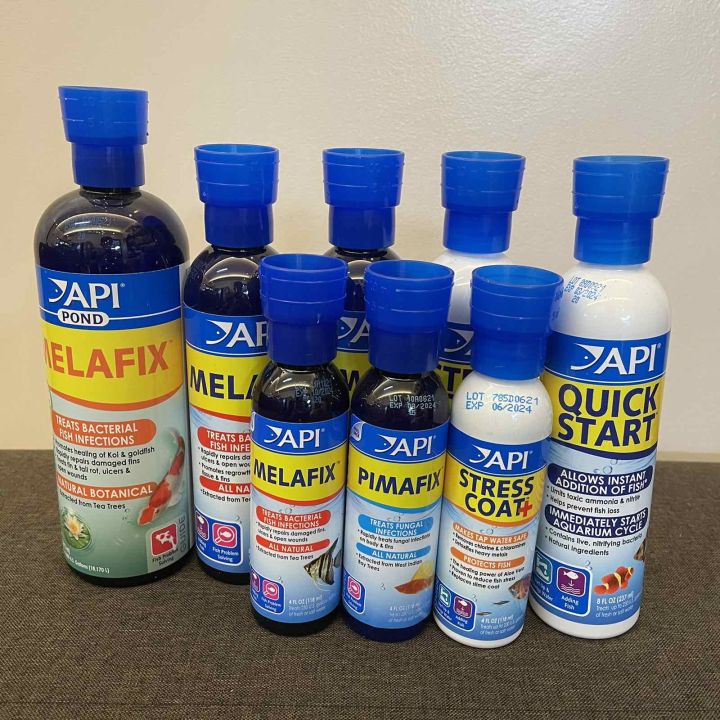
Because dropsy is frequently linked to a bacterial infection, many keepers use an antibiotic labeled for aquarium use in the hospital tank. Our bacterial infections and top 5 aquarium medications articles describe the options. Always follow the label, remove carbon from the filter, and talk to an aquatic vet for a prescription option if you can.
Step 6: Decide honestly
If scales are raised all over and the fish has stopped eating, the prognosis is poor. Some fish do recover if treated very early. If the fish is suffering and not improving, consult an aquatic vet about humane euthanasia options.
Dropsy vs. Bloat, Popeye and Other Look-Alikes
It is easy to confuse dropsy with other problems, and the difference changes what you do next:
- Constipation or overfeeding: the belly is round, but scales lie flat. The fish often passes waste after fasting for a day or two and a bit of blanched pea.
- Egg-bound or gravid females: the body is swollen but the scales stay smooth, and the fish still acts normally.
- Swim bladder disorder: the fish struggles to stay level, floats or sinks, but the scales are normal.
- Popeye alone: one or both eyes bulge, with no raised scales. It is often tied to poor water or injury.
- Tumors or internal masses: a lopsided bulge in one place rather than an even swelling.
If you cannot tell, take clear photos from above and from the side, and compare them over a day or two. Pineconing that gets worse is the red flag. Early on, the scales may lift only slightly near the back half of the body when viewed from above.
What Does Recovery Look Like?
A fish that is going to recover usually shows small improvements within the first week of treatment: the scales begin to lie flat, the swelling goes down, and it starts eating again. Keep the hospital tank clean, and continue the water changes and any medication for the full course on the label, even if the fish looks better. Stopping early is a common reason for relapse.
Once the fish has recovered, keep it in the hospital tank for a further week or two before returning it. Check the main tank first, so that you are not sending it back into the same conditions that made it sick. Expect that some fish will have lasting kidney damage, so aim for especially stable water and a good diet from then on.
Is Dropsy Contagious?
Dropsy is not directly contagious, but the conditions behind it are shared. If the cause was a bacterial outbreak or bad water, other fish in the same tank may be at risk. Watch them closely, test the water and quarantine any new symptoms.
How to Prevent Dropsy
- Keep the water clean. Test regularly and do weekly water changes of around 25%.
- Cycle the tank before adding fish. Our guide to how to cycle a fish tank explains how.
- Do not overcrowd. Match fish to tank size.
- Feed a quality, varied diet and avoid overfeeding.
- Quarantine new fish for at least 2 to 4 weeks.
- Treat small problems early. Related issues such as fin rot can progress when conditions stay poor.
- Reduce stress. Choose compatible tank mates and give them hiding places.
Dropsy FAQ
Can a fish recover from dropsy?
Sometimes, especially if it is caught early and the underlying cause is treated. Advanced cases rarely survive.
What does dropsy look like?
A swollen body with scales that stick out like a pinecone, often with bulging eyes.
Is dropsy the same as bloat?
No. Bloat is usually constipation or digestive trouble. Dropsy has raised scales from internal fluid retention.
Can dropsy be cured with Epsom salt?
Epsom salt may reduce swelling temporarily, but it does not cure the underlying cause.
Should I feed a fish with dropsy?
Offer small amounts of fresh food. If the fish refuses, do not force it.
Can dropsy happen in saltwater fish?
Yes, similar swelling can occur, though it is most often discussed for freshwater fish.
How long can a fish live with dropsy?
It varies from a few days to a few weeks, depending on the cause and treatment.
Final Thoughts
Dropsy is a sign that something inside has gone wrong, usually after a long period of stress or poor water. Catch it early, isolate the fish, fix the water and talk to an expert if you can. Most importantly, use it as a prompt to check the whole tank.
Have you dealt with dropsy? Share your experience in the comments.
Disclaimer: This article is general information, not veterinary advice. For serious or persistent problems, consult an aquatic veterinarian.