
As an Amazon Associate I earn from qualifying purchases. This post contains affiliate links, which means I may earn a small commission at no extra cost to you.
If your fish are gasping at the surface, gulping air, or breathing hard at the top of the tank, the most likely cause is low oxygen or toxic water, usually ammonia, nitrite, or a filter and heater problem. Do a 50% water change with dechlorinated water, increase surface agitation right away, and test ammonia and nitrite. Most fish recover if you act within the hour.
This guide covers every common phrasing of this problem, whether you’re asking “why is my fish gasping for air,” “why is my goldfish gulping at the surface after a water change,” or “why are all my fish at the top of the tank.” It walks through the causes in order of likelihood, how to diagnose yours, and exactly what to do.
Most Common Causes (in Order of Likelihood)
- Ammonia or nitrite poisoning. Damaged gills can’t absorb oxygen, so fish crowd the surface. This is the number one cause in new tanks and after filter problems.
- Low dissolved oxygen. Warm water holds less oxygen. Weak surface movement, a clogged filter, or a dead air pump makes it worse, especially overnight.
- Overstocking or overfeeding. Too many fish, or rotting food, uses up oxygen and spikes ammonia.
- Water change mistakes. Missing dechlorinator, chloramine, or a big temperature or pH swing can burn gills.
- Gill disease or parasites. Flukes, ich on the gills, or bacterial gill disease cause fast, heavy breathing even when water tests fine.
- High temperature. Summer heat waves and stuck heaters drop oxygen quickly.
- Medication or chemical exposure. Some treatments, soaps, sprays, or new decor can irritate gills or reduce oxygen.
- Normal labyrinth behavior. Bettas and gouramis breathe air from the surface on purpose. That is not gasping.
First Hour: Emergency Steps
- Add surface movement. Aim the filter outflow at the surface, lower the water level slightly so the flow splashes, or add an air pump and air stone. More surface movement means more oxygen exchange.
- Test the water immediately. A liquid test kit is far more reliable than strips. Check ammonia, nitrite, nitrate, pH, and temperature.
- Do a large water change. Replace 50% with temperature-matched water treated with a dechlorinator that also handles chloramine. If ammonia or nitrite is high, repeat in a few hours.
- Check equipment. Is the filter running at full flow? Is the heater stuck on? Is the air pump working?
- Stop feeding until the fish are breathing normally.
How to Diagnose Which Cause You Have
- Ammonia or nitrite above 0 ppm: Water toxicity. This is the most likely answer, especially if the tank is new or you recently cleaned the filter. See our guide to cycling a fish tank.
- Water tests at 0 ammonia and 0 nitrite, but the tank is warm or the surface is still: Oxygen. Check whether symptoms are worse in the morning, which points to overnight oxygen depletion.
- Gasping started right after a water change: Suspect chlorine or chloramine, a temperature gap, or a large pH swing. Chloramine is a frequent culprit when people switch dechlorinators or the water utility changes treatment.
- Heavy breathing at mid-level, red or pale gills, flicking against decor, excess mucus: Possible parasites or gill disease. Water parameters will often test fine.
- Only a betta or gourami is visiting the surface, and it breathes normally otherwise: This is normal labyrinth behavior. If it’s gasping constantly, treat it like any other fish.
- One fish only, others normal: More likely illness in that fish than a tank-wide problem.
Step-by-Step Fixes by Cause
Ammonia or nitrite
Do daily 30-50% water changes until both read 0 ppm. Dose a dechlorinator that binds ammonia, feed lightly, and don’t clean the filter media in tap water. Adding beneficial bacteria can help recovery in an uncycled or crashed tank.
Low oxygen
Increase agitation, add an air stone, clean a clogged filter intake, and lower the temperature if it’s too warm by moving the tank away from sunlight and using a fan across the surface. Evaporation cooling works well in hot weather.
Overstocking
Rehome fish or upgrade the tank. A fish-per-gallon rule is crude, so look at adult size and waste. Goldfish, for example, need far more water than people expect.
Water change problems
Always treat new water, match temperature within a couple of degrees, and make large changes in smaller steps. Never put hot or cold water straight in.
Parasites and gill disease
Move the fish to a bare hospital tank and treat with an appropriate product. Our top 5 aquarium medications roundup and the guide to bacterial infections explain the options. If you can’t identify the problem, an aquatic vet can examine a gill sample.
Gasping in Ponds and Outdoor Tanks
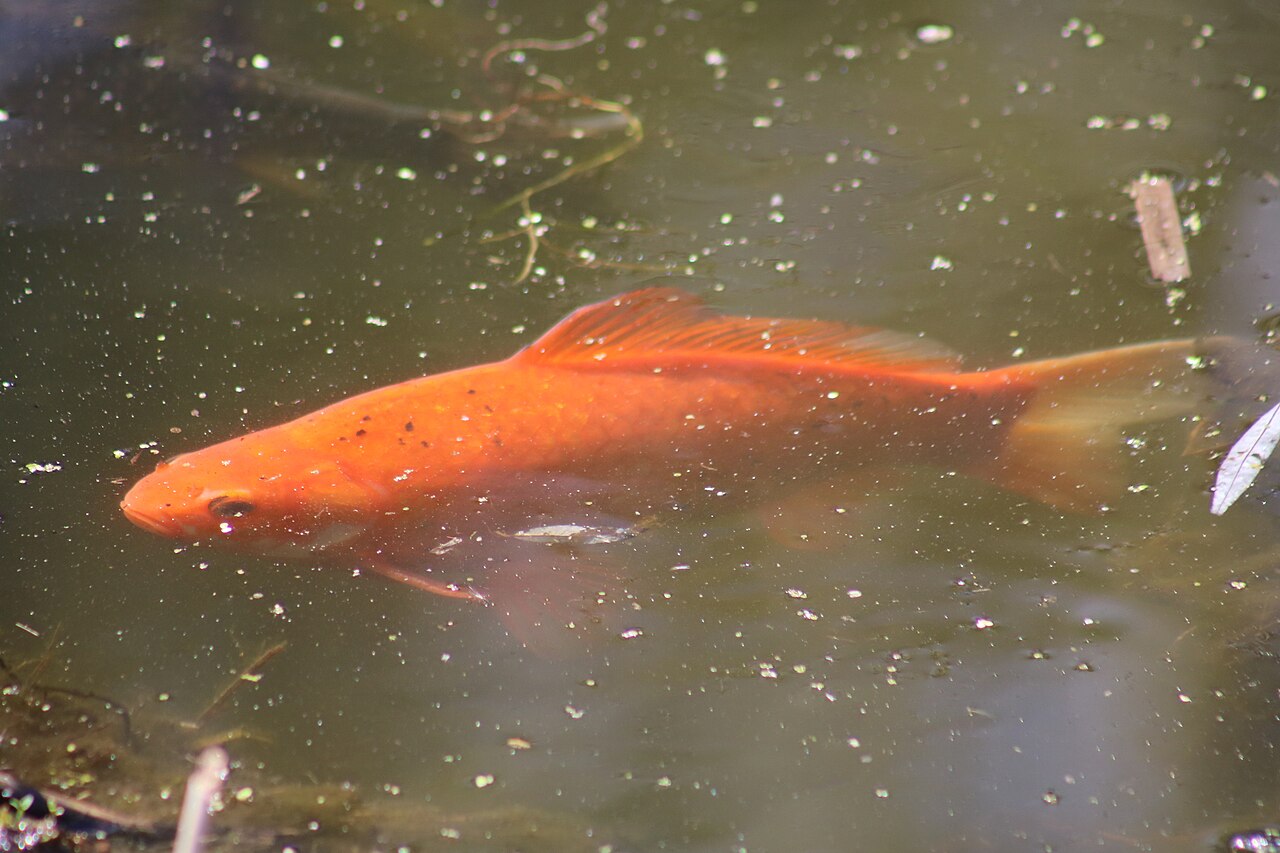
Pond fish gasping at the surface are nearly always dealing with low oxygen, especially at dawn after a hot night or when algae and plants consume oxygen in the dark. Add a fountain, waterfall, or air pump, reduce feeding, and do a partial water change. Don’t dump a large volume of cold tap water into a pond in summer.
When It’s Serious
Treat it as an emergency if:
- Ammonia or nitrite is above 0.5 ppm
- Many fish are gasping at once
- Gills look red, pale, or are stuck open
- Fish are lying on their side at the surface or bottom
- You recently used a medication or aquarium-safe product incorrectly
If fish keep declining after a large water change and extra aeration, move the weakest fish to clean, aerated, dechlorinated water and contact an aquatic vet. We can’t diagnose from a distance, and different causes need different treatment.
How to Prevent It
- Cycle new tanks fully before adding fish
- Do regular water changes, about 25% weekly for most tanks
- Keep the surface rippling and the filter flowing
- Avoid overfeeding and remove uneaten food
- Don’t overstock, and plan for adult size
- Keep the tank out of direct summer sun
- Check dechlorinator labels, especially for chloramine
- Quarantine new fish and treat medications carefully
Fish Gasping FAQ
Why is my fish gasping for air at the top of the tank?
Usually ammonia, nitrite, or low oxygen. Test the water and add surface agitation immediately.
Why are my fish gulping at the surface after a water change?
Chlorine, chloramine, temperature shock, or a large pH change are the main suspects. Make sure the new water was treated and temperature matched.
Why is my goldfish gasping at the surface?
Goldfish produce a lot of waste and need heavy filtration. Ammonia, nitrite, and low oxygen are the usual causes. Parasites are another possibility.
Is my betta gasping or just breathing air?
Bettas have a labyrinth organ and make quick, normal trips to the surface. Constant gasping with clamped fins, lethargy, or rapid gill movement is not normal.
Will my fish die if it keeps gasping?
It can, especially with ammonia poisoning. Quick water changes and aeration save most fish.
Can too much oxygen hurt fish?
Normal aeration won’t harm them. Oxygen problems in aquariums are almost always too little, not too much.
Do I need to add salt?
Not as a first step. Aquarium salt can help some freshwater fish with stress, but it’s no substitute for fixing the water. See should I use aquarium salt?.
Final Thoughts
Fish gasping at the surface is a “fix it now” problem, but also a very solvable one. Add aeration, test, change water, and look for the underlying cause so it doesn’t happen again.
Have you dealt with gasping fish? Tell us what the cause turned out to be in the comments.
Disclaimer: This article is general information, not veterinary advice. For serious or persistent problems, consult an aquatic veterinarian.