
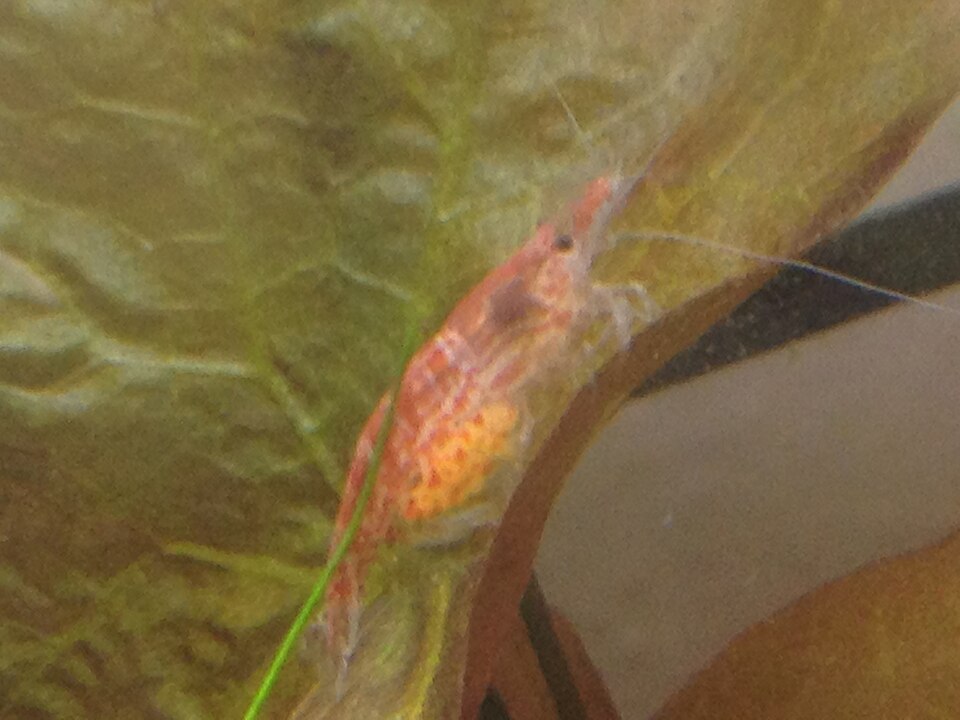
If your shrimp died after a water change, the cause is almost always a sudden change in the water they live in: temperature, TDS (total dissolved solids), pH, or an unneutralized chemical such as chlorine or chloramine. Shrimp are far more sensitive than fish, so a change that fish shrug off can be fatal to them within hours.
The good news is that this is one of the most preventable problems in the hobby. This guide covers every common phrasing of it: cherry shrimp dying after a water change, ghost shrimp dying after a water change, amano shrimp dying after a water change, and "all my shrimp died after a water change."
Most Common Causes (Ordered by Likelihood)
- Temperature difference. New water even 2-3 degrees F off from the tank can shock shrimp. Water straight from the tap is often much colder than a heated tank.
- TDS or GH/KH swing. Shrimp, especially Caridina species, depend on stable mineral levels. Swapping a big volume of water with very different hardness can trigger a failed molt or sudden death.
- Unneutralized chlorine or chloramine. Skipping dechlorinator, underdosing it, or using one that doesn't handle chloramine will kill shrimp quickly.
- Too large a water change. Changing 50% or more of the water at once multiplies every other risk above.
- pH shock. A large pH jump (for example, from soft acidic tank water to hard alkaline tap water) is stressful.
- Copper or heavy metals. Copper from old pipes, some fish medications and certain fertilizers is toxic to all invertebrates.
- Ammonia or nitrite. Stirring up a dirty substrate, or damaging the filter's bacteria while cleaning it, can cause a spike.
- Molting trouble. Water changes trigger molts. Shrimp in bad condition or in unstable mineral levels may die while molting. A death a day or two after the change usually points here.
- New-shrimp stress. Recently added shrimp that were never properly acclimated often die after the first water change.
How to Diagnose What Went Wrong
Work through these questions in order:
- Did they die within hours? Think temperature, chlorine/chloramine or copper.
- Did they die 1-3 days later, often right after molting? Think TDS/GH swing or a bad molt.
- Did only the new shrimp die? Think acclimation or a weak batch.
- Did fish or snails die too? Think chemical contamination, such as chloramine or copper, or an ammonia spike.
- Did you use new products, a new bottle of conditioner or a different water source? Check those first.
Then test the tank. A liquid freshwater master test kit covers ammonia, nitrite, nitrate and pH. For shrimp, also measure GH, KH and TDS with a TDS meter, and test your tap water the same way. Compare the tank to the new water. A TDS gap of more than about 10% is risky for sensitive shrimp.
Just a heads up: some of the links in this post are affiliate links, which means I may earn a small commission if you buy through them. But no worries, it is at no extra cost to you. Also, as an Amazon Associate I earn from qualifying purchases.
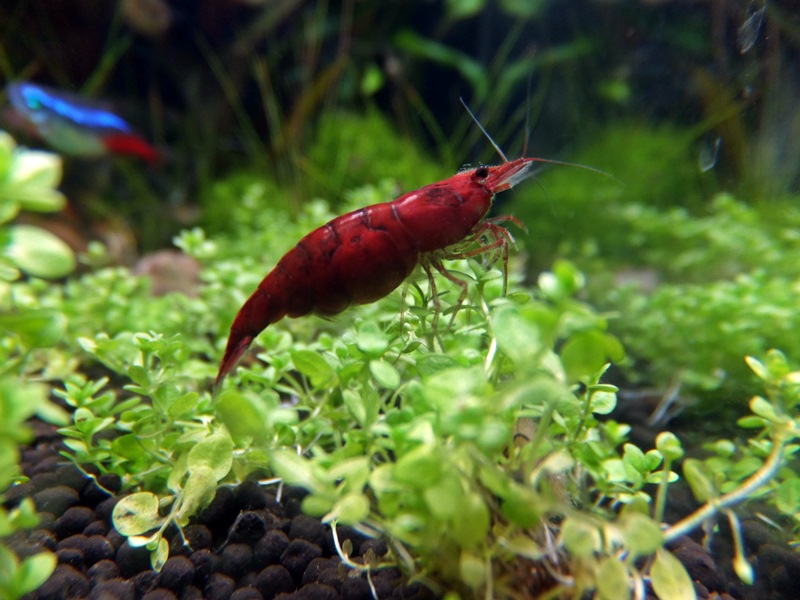
Photo: Stevencaller, Wikimedia Commons, CC BY-SA 3.0.
Step-by-Step Fixes If Shrimp Are Dying Right Now
Step 1: Stop adding new water
If shrimp are actively struggling, don't make more changes until you know the cause. If you suspect chlorine, chloramine or a contaminant, a small partial change with correctly treated, temperature-matched water is the exception.
Step 2: Check the basics
Test ammonia, nitrite, pH, temperature, GH, KH and TDS. If ammonia or nitrite is above 0, do a small (10-20%) change using correctly matched water and check again in a few hours.
Step 3: Use carbon to remove contaminants
Running fresh activated carbon in the filter can help adsorb many chemical contaminants. Remove it again afterwards if you plan to treat or dose anything.
Step 4: Rescue the survivors if needed
If the whole tank looks contaminated, move shrimp to a bucket or container with clean, aged and heated water from a known good source, matching the original tank's parameters. See our quarantine tank setup guide for a simple hospital or holding setup.
Step 5: Do not overreact
Repeated large corrective changes cause more shock. Stability matters more than perfection.
How to Do a Shrimp-Safe Water Change
- Change 10-20% at a time, once a week or less in a stable tank. Never more than about 25%.
- Match temperature to within 1-2 degrees F. Use a thermometer.
- Use a good water conditioner that neutralizes both chlorine and chloramine, and dose by the volume of new water.
- Match TDS and hardness. For Caridina shrimp, use remineralized RO water prepared for the species. For hardy Neocaridina, match your tank's GH within a few degrees.
- Add water slowly by drip, using airline tubing with a valve or a small cup, so the shrimp never see a rush of new water.
- Don't stir the substrate, and don't scrub the filter media in tap water.
- Pre-mix and age the water in a bucket with a small heater and sponge filter or air stone when you can.
When It's Serious
Treat these as urgent:
- Multiple shrimp dying in the same day
- Fish also acting sick or gasping
- Shrimp swimming wildly, then lying on their sides
- A strong chemical smell or sudden foam in the tank
Stop everything, test the water, check your source water and conditioner, and consider moving survivors. If you keep valuable fish too, an aquatic vet or an experienced local fishkeeper can help.
How to Prevent It Next Time
- Test your tap water and keep a log of GH, KH, pH and TDS
- Small, regular changes beat large, rare ones
- Acclimate new shrimp over 1-2 hours with a drip line
- Keep copper-based medications away from invertebrates
- Cycle your tank before adding shrimp: see how to cycle a fish tank
- Choose the right species for your water, such as hardy cherry shrimp, amano shrimp or ghost shrimp
Shrimp Dying After Water Change FAQ
Why did my shrimp die after a water change?
Most often because of a sudden shift in temperature, TDS/hardness or pH, or chlorine/chloramine that wasn't neutralized.
Why are my cherry shrimp dying after a water change?
Cherry shrimp are fairly hardy but they react badly to large changes, cold water and copper. Keep changes small, match temperature and dose conditioner correctly.
Why did my ghost shrimp or amano shrimp die after a water change?
The causes are the same. Ghost shrimp are often weakened by shipping and poor acclimation, and amano shrimp are sensitive to copper and sudden changes.
All my shrimp died after a water change. What now?
Test the tank and your tap water, check your conditioner, run carbon, and wait before restocking. Cycle and stabilize the tank first.
Why are my shrimp dying after a molt?
Molting is the most vulnerable time. Unstable minerals, low GH or too-large changes are the usual cause.
Can shrimp die a few days after a water change?
Yes. Molting issues, delayed ammonia spikes and slow contaminants can show up later.
How much water can I change with shrimp?
Usually 10-20% a week is safe, and many keepers change less in a mature planted tank.
Is tap water safe for shrimp?
Often yes if treated properly and if its hardness suits the species. Always check for chloramine and copper.
Final Thoughts
When shrimp die after a water change, the culprit is nearly always a change that was too fast, too big or too different. Keep changes small and matched, treat the water carefully and acclimate slowly, and your colony can thrive for years.
Disclaimer: This article is general information, not professional advice. For serious or persistent problems, consult an experienced aquarist or an aquatic veterinarian.