
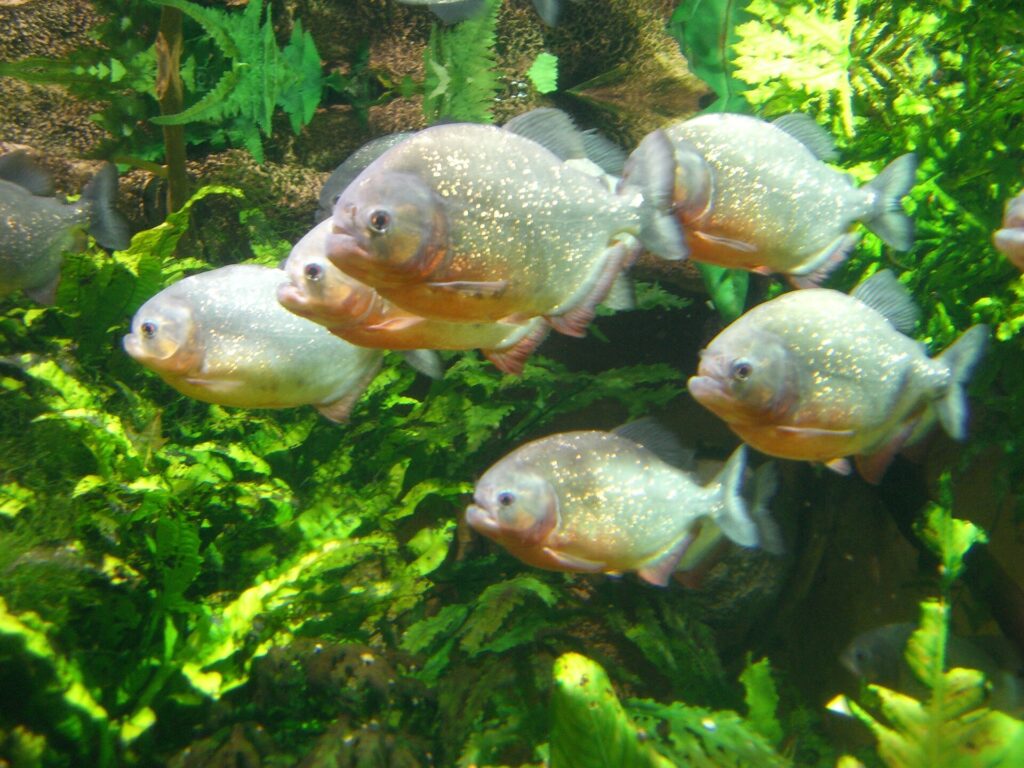
The red bellied piranha (Pygocentrus nattereri) is the species most people mean when they say “piranha”. It is one of the most famous freshwater fish in the world, and one of the most misunderstood. It is not a mindless killer, but it is a large, powerful, group-living predator with serious tank-size, filtration and safety demands, and it is restricted or banned in many places. This guide covers what these fish actually need and what it takes for great red bellied piranha care.
Check the Law First
Before you buy, check your local and national rules. Piranhas are prohibited, or require permits, in many US states and in other countries because of concerns about released fish. Laws change, so confirm with your state wildlife or fish and game agency. Never release a piranha, or any pet fish, into the wild.
Overview and Appearance
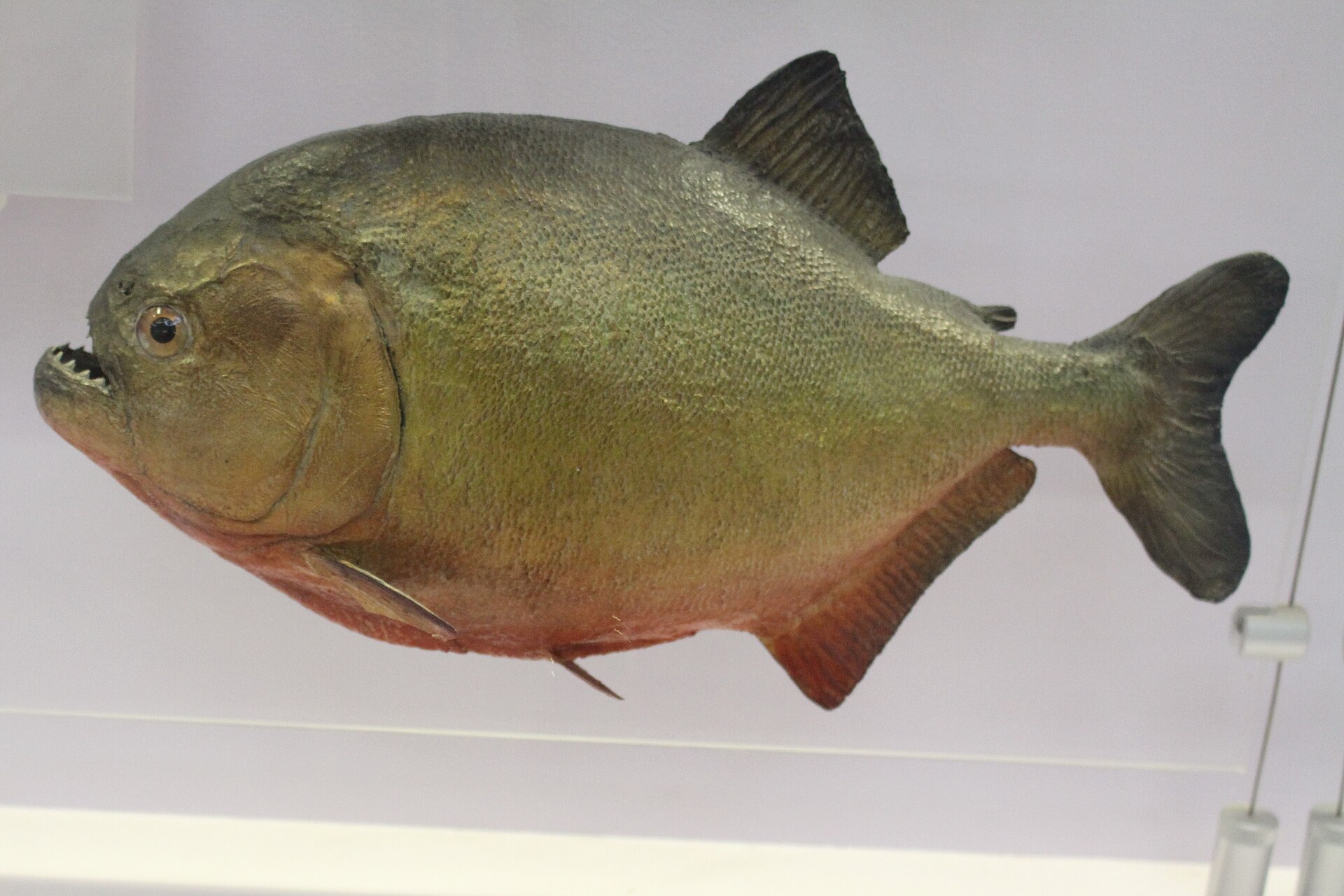
Red-bellied piranhas come from much of the Amazon basin and south into the Paraná and Uruguay river systems. Juveniles are silvery with dark spots; adults develop a red to orange belly and chest, a deep, laterally flattened body, and a powerful jaw with a single row of sharp, triangular teeth used like blades.
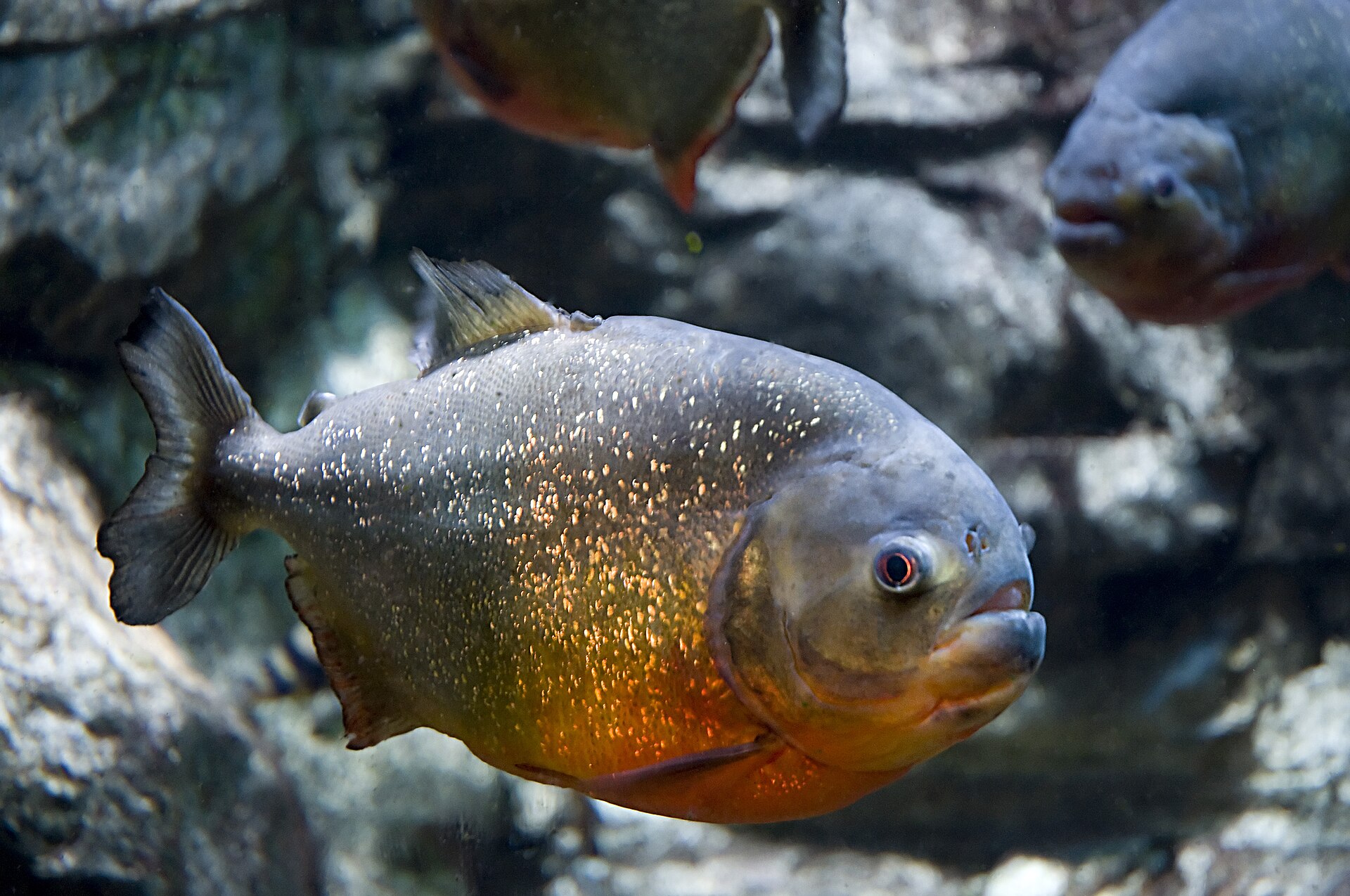
The movie reputation comes largely from a feeding frenzy staged for Theodore Roosevelt in 1913, according to Seriously Fish. In reality, usually only juveniles form feeding aggregations, and attacks on live animals entering the water are very rare. In the aquarium they are better described as opportunistic, skittish and easily startled.
Size and Lifespan
Seriously Fish lists a maximum of about 14 inches (35 cm) standard length. Many aquarium fish stay smaller, but plan for a big, deep-bodied adult. Hobbyist sources commonly report lifespans of around ten years or longer in captivity; I did not find a primary scientific source for a firm figure, so treat it as a long commitment rather than an exact number.
Tank Size and Setup
This is where most people fail. Seriously Fish gives a recommended aquarium base of 240 x 90 cm (96 x 36 inches), about 342 US gallons, and states that this is suitable only for public installations or the very largest private aquaria. Many hobbyists keep a single fish or a small group in smaller tanks, but anything cramped increases stress, aggression and injuries. Start from the space the adult needs, not the juvenile.
- Filtration: Piranhas produce a lot of waste. Use oversized external filtration or a sump, with plenty of turnover. Choose a large canister filter rated well above the tank volume.
- Heater: Adults have been known to damage submerged equipment, so use a sturdy heater guard or an inline or sump heater. A titanium or guarded aquarium heater is a sensible choice.
- Substrate and décor: Gravel or sand both work, and some keepers use bare bottoms for easier cleaning. Provide hiding places, driftwood and dim areas, because nervous piranhas that feel exposed may dash and injure themselves. Plants are often eaten or uprooted.
- Lid: Use a heavy, secure lid. Startled large fish can jump.
- Lighting: Relatively unimportant; dim to moderate lighting with floating plants helps them feel secure.
Just a heads up: some of the links in this post are affiliate links, which means I may earn a small commission if you buy through them. But no worries, it is at no extra cost to you. Also, as an Amazon Associate I earn from qualifying purchases.
Water Parameters
Seriously Fish lists these ranges:
- Temperature: 75-82°F (24-28°C)
- pH: 5.5-7.5
- Hardness: 2-12 dGH
Keep ammonia and nitrite at zero and nitrate low. Aim for 30-50% weekly water changes, and take extreme care when doing maintenance or netting, since a bite can be serious. Never put your hand in the tank while the fish are agitated, and consider using long tools. Keep a reliable test kit on hand and a water conditioner for big changes. For help understanding nitrogen problems, read our high ammonia guide and how to cycle a tank.
Diet
Piranhas are better described as opportunistic generalists than pure carnivores. Their natural diet includes fishes, aquatic invertebrates, insects, nuts, seeds and fruit.
- Juveniles: bloodworms, small earthworms, chopped prawn.
- Adults: strips of fish flesh, whole prawns, mussels, live river shrimp, larger earthworms.
- Avoid mammalian or avian meat. Seriously Fish notes that some of the lipids in them cannot be properly metabolised and may cause fat deposits and even organ degeneration.
- Avoid feeder fish. They offer little nutrition unless conditioned and can bring in parasites and disease.
Quality frozen foods for carnivorous fish are a better staple than live feeders.
Temperament and Tank Mates
Piranhas are best kept alone or in a group of five or more. Seriously Fish notes that adults form loose groups with dominance hierarchies, so pairs and trios can end badly because the weaker fish is bullied. A larger group spreads aggression, but then you need a much bigger tank.
Mixing with other fish is risky. Adults often leave much smaller fish alone, but fins get nipped and any sick or weak tank mate may be attacked. Large predators such as arowanas or oscars are not safe companions, and a piranha tank is usually a species-only tank.
Breeding
Red-bellied piranhas are described as relatively easy to breed in aquaria, usually in very large setups. They reach maturity at around one year old and about 4-6 inches. Males become territorial, dig a nest pit in the substrate and guard the eggs, sometimes helped by the female. Starting with six or more fish lets pairs form naturally. Spawning can follow large, cool water changes in some cases but also occurs without them. Breeding will not solve the problem of too many adult piranhas, so only breed if you have a plan for the fry.
Common Health Issues
- Fin damage and bites from crowding or aggression.
- Poor water quality diseases from the heavy waste load.
- Stress and hiding in new or threatened fish. See fish hiding all the time.
- Not eating: see fish not eating.
- Ich and bacterial infections can occur, as in any tank. See our white spots guide and bacterial infections guide.
Quarantine new fish. Our quarantine tank guide applies even to big fish, though a tank for an adult piranha is a major project.
From Aquagram
Explore AquagramTest Account
Hello aquarists!
Dan GL
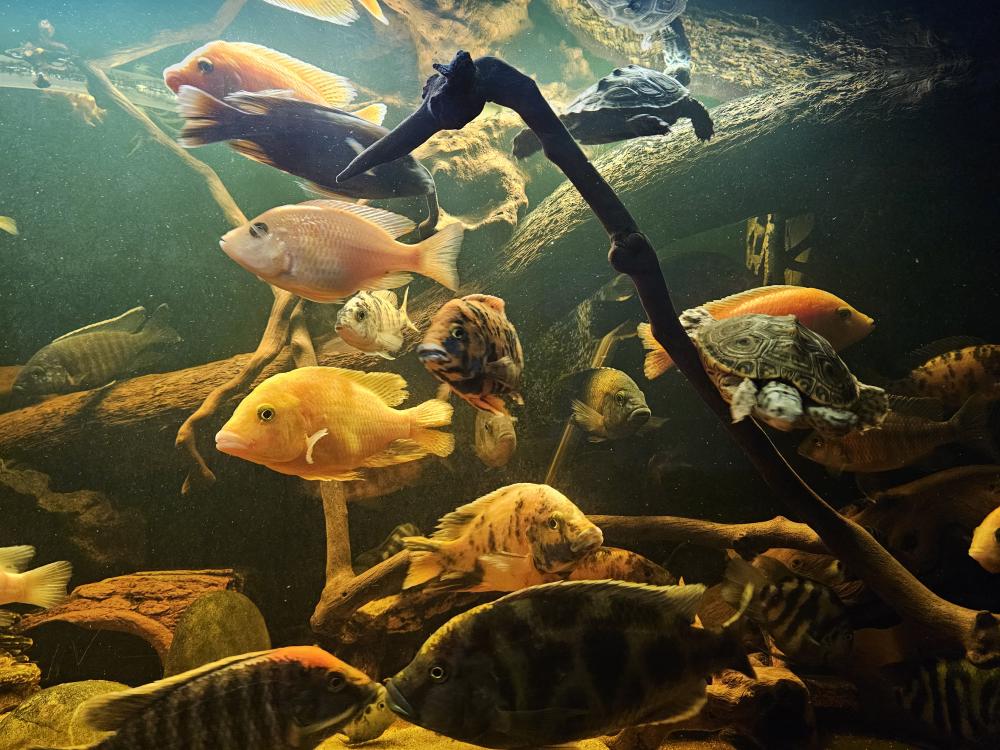
A view of my 125 gallon aquarium. Lots of fish and a few Northern Diamondback Terrapins too! 😁
SwitchTank
Incredible!
Honest Difficulty Rating
Advanced. Seriously Fish rates the species as difficult mainly because of the tank size. The fish are tough, but the cost, space, filtration, safety and legal issues put them far outside beginner territory. If you want a big, interesting predator and don’t have the space, consider whether a different, smaller species or a public aquarium visit is a better fit.
Red-Bellied Piranha FAQ
How big of a tank does a red-bellied piranha need?
Seriously Fish recommends a base of 240 x 90 cm (about 342 US gallons) for the species. Smaller tanks are a compromise.
Can you keep one red-bellied piranha alone?
Yes. A single fish or a group of five or more is recommended. Pairs and trios often go badly.
Are red-bellied piranhas legal to own?
It depends on where you live. They are banned or permit-restricted in many US states and countries, so check first.
What do red-bellied piranhas eat?
Whole prawns, mussels, fish strips, earthworms and bloodworms. Avoid mammal and bird meat, and avoid feeder fish.
Do piranhas really attack people?
Attacks are very rare, but their teeth are sharp, so be careful during tank work and when feeding.
How long do red-bellied piranhas live?
Often described as around ten years or more in captivity by hobbyist sources.
Can piranhas live with other fish?
Usually not safely. They are best kept in a species-only tank.
Sources and Fact Check (reviewed November 18, 2026)
- Seriously Fish, Pygocentrus nattereri: size, tank size, water parameters, diet, group size, behaviour, breeding and the origin of the piranha reputation.
- Wikipedia, Red-bellied piranha: page opened for general reference; the infobox content loaded but its main text was truncated, so no specific claims depend on it.
- Limitation: Google search was not available, and lifespan and legal status are stated generally; check local laws and current care sources.
Photos: Serrasalmus nattereri (Ajvol, public domain); Red bellied Piranha (Gregory Moine, CC BY 2.0); Pygocentrus nattereri (Emőke Dénes, CC BY-SA 4.0), via Wikimedia Commons.
Disclaimer: This article is general information, not veterinary advice. For serious or persistent problems, consult an aquatic veterinarian.