
If your fish is hiding all the time, the most likely causes are stress from a new environment, poor water quality, a bully in the tank, or a tank that offers too little cover and too much light. Test your water first, then look at tank mates, hiding spots and lighting. A fish that suddenly starts hiding and stops eating deserves attention the same day.
Whether you searched “why is my fish hiding,” “my betta is hiding at the bottom of the tank,” or “fish hiding after a water change,” the logic is the same. Hiding is a fish’s way of saying something is wrong, or that it does not feel safe. This guide works through every common cause, in order of likelihood.
Is Hiding Normal?
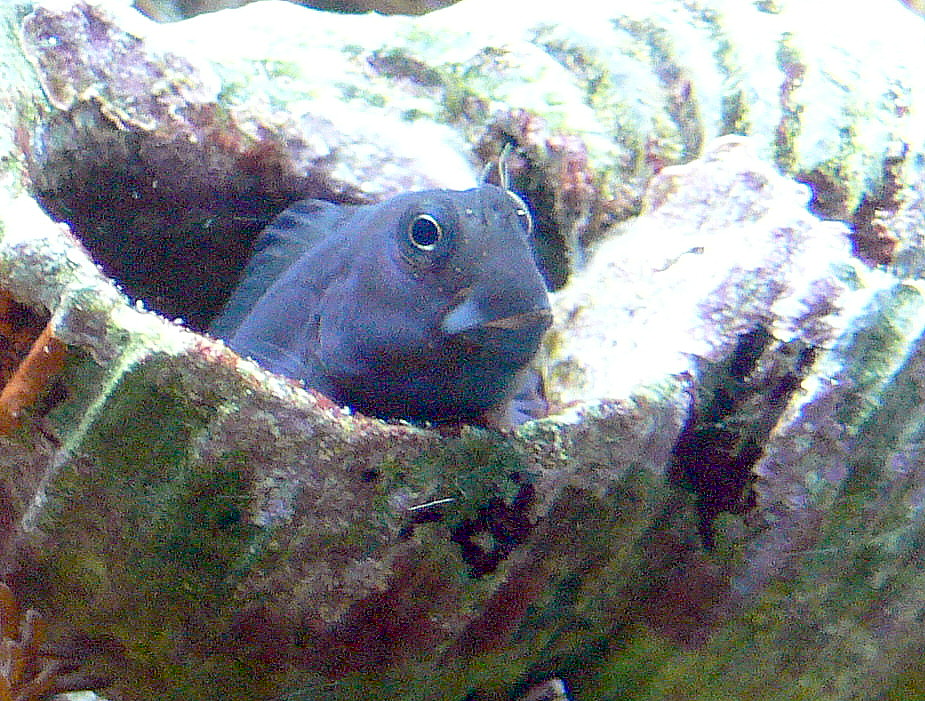
Sometimes, yes. Many species are shy or nocturnal by nature: loaches, catfish, plecos, kuhli loaches, eels, cardinalfish, blennies and gobies spend much of the day tucked into caves. A fish that has always done this and eats well is usually fine.
What matters is a change. A fish that was out and active last week and is now hiding behind the filter is telling you something.
Most Common Causes (Ordered by Likelihood)
- Newly added fish. The first one to two weeks in a new tank are stressful. Hiding is normal while they settle in.
- Poor water quality. Ammonia, nitrite or high nitrate makes fish retreat, clamp fins and stop eating.
- A recent water change or temperature swing. Cold or untreated tap water, or a sudden pH shift, can send fish into hiding for a day or two.
- Bullying or aggression. One fish chased away from open water will hide constantly.
- Too few hiding places, or too much light. Fish without cover feel exposed and either freeze or hide in the only dark corner.
- Wrong tank mates or too small a group. Schooling fish kept alone or in pairs often hide. Skittish species do better in larger groups.
- Illness. Parasites, bacterial infections and internal problems cause fish to isolate themselves.
- Noise and activity near the tank. Tapping, loud rooms, a dog or cat, or a pump vibrating against the stand.
- Breeding or spawning behavior. A guarding pair or a female holding eggs may hide for a few days.
How to Diagnose Which Cause Applies
Work through these questions in order.
Step 1: Test the water
Use a liquid test kit such as the API freshwater master test kit. Ammonia and nitrite should be 0 ppm, nitrate ideally under 20 ppm. If ammonia or nitrite shows anything, you have found your likely cause. See our guide to high ammonia in a fish tank.
Just a heads up: some of the links in this post are affiliate links, which means I may earn a small commission if you buy through them. But no worries, it is at no extra cost to you. Also, as an Amazon Associate I earn from qualifying purchases.
Step 2: Check what changed
Ask yourself what happened in the past 48 hours. A new fish, a water change, a new decoration, a medication, a heater that failed or a new light? Hiding that starts right after a change usually fades as the fish adjusts.
Step 3: Watch for bullies
Sit and watch the tank for ten minutes. Does a particular fish chase, nip or block the hider from food? Aggression is easy to miss until you watch for it. Look up the species of each fish. Our fish lying on the bottom of the tank guide covers related behavior.
Step 4: Look closely at the fish
Check for white spots, ragged fins, a swollen belly, pale or faded color, clamped fins, scratching, heavy breathing or stringy waste. Hiding with no other symptoms points to stress or environment. Hiding plus symptoms points to illness. See what the white spots on my fish are and fin rot.
Step 5: Check the setup
Is the tank bright, bare, or in a busy room? Is the group of schooling fish big enough? Is the temperature right for the species, usually 76-80°F for tropical fish? A reliable aquarium thermometer takes the guesswork out.
Step-by-Step Fixes
If the fish is new
Leave it alone. Keep the lights dim for the first day or two, feed small amounts, and do not keep poking at it or rearranging the tank. Most fish begin coming out within a few days to two weeks.
If water quality is bad
Do a 25-50% water change with dechlorinated water at the same temperature, and repeat daily until ammonia and nitrite read zero. Use a good water conditioner, do not overfeed, and make sure the filter is running properly. If the tank is new, read how to cycle a fish tank.
If a bully is the problem
Add more line-of-sight breaks with tall plants, driftwood and rock, rearrange decorations to reset territories, and make sure each fish gets food. If the aggression continues, separate the bully for a few days or rehome it. Do not keep aggressive species with peaceful ones.
If there is not enough cover
Add caves, aquarium plants, leaf litter, driftwood and floating plants. Counterintuitively, more hiding places usually means fish hide less, because they feel safe enough to come out.
If the lighting is too intense
Shorten the photoperiod to about 8 hours and use floating plants to diffuse light. Use a timer so the schedule stays consistent.
If you suspect illness
Move the fish to a quarantine or hospital tank if you can, and treat for the specific problem you identify. Avoid guessing with several medications at once. See our top aquarium medications for common options.
Species-Specific Notes
- Betta: Bettas often hide in leaves or at the bottom when the water is too cold or the filter flow is too strong. Keep the temperature at 78-80°F and use gentle flow. See our betta fish care guide.
- Goldfish: Hiding at the bottom with clamped fins points to water quality or low oxygen. See goldfish care.
- Cichlids: Subordinate fish hide from dominant ones. Give them plenty of rockwork and sight barriers.
- Saltwater fish: New marine fish may hide for several days. Check salinity, temperature and ammonia. Tangs and wrasses that hide and refuse food may need quarantine for parasites.
When It’s Serious
Act quickly if hiding comes with any of these:
- Not eating for more than two or three days (longer for some species)
- Gasping at the surface or very fast gill movement
- Clamped fins, white spots, fuzz, sores or red streaks
- Swollen belly or pinecone-like scales
- Rapid color loss
- Other fish in the tank showing the same behavior (this often means water quality or a contagious problem)
For persistent or severe cases, an aquatic veterinarian can help. Reliable diagnosis is hard without a good look at the fish.
Prevention
- Cycle the tank before adding fish and quarantine new arrivals.
- Test water weekly and keep up with regular water changes.
- Keep species with compatible temperaments and the right group sizes.
- Provide plenty of hiding places, plants and a lighting schedule.
- Acclimate new fish slowly, using drip acclimation when possible.
- Keep the tank in a quiet spot.
Fish Hiding FAQ
Why is my fish hiding all the time?
Usually stress: a new tank, poor water, a bully or too little cover. Test the water first.
Why is my fish hiding and not eating?
Hiding and refusing food together is a stronger sign of stress or illness. Check ammonia and nitrite and look for other symptoms.
Why is my betta hiding at the bottom of the tank?
Most often the water is too cold, the flow is too strong, or the water quality is poor. Check the temperature and test the water.
Why is my fish hiding after a water change?
Temperature, pH or chlorine changes can stress fish. Always use conditioned water at the same temperature, and do not change too much at once.
Why is my new fish hiding?
It is normal for up to a week or two. Keep the lights low, be patient and keep the water clean.
Why is my fish hiding behind the filter?
It may be seeking cover from a bully, or avoiding bright light. It may also be a weak swimmer escaping strong current.
Why is one of my fish always hiding while the others swim freely?
That one fish may be bullied, ill or naturally shy. Watch it closely and compare its appearance to the others.
Is it normal for fish to hide during the day?
For nocturnal species, yes. Many catfish, loaches, eels and cardinalfish are most active at night.
How long will a stressed fish hide?
A new fish may hide for a few days up to two weeks. If it is more than that, or there are other symptoms, investigate further.
Final Thoughts
A hiding fish is not always sick, but it is always telling you something. Test the water, look at what changed, make sure the fish feels secure, and give it time. Most hiding problems disappear once the cause is fixed.
Have you solved a hiding fish in your tank? Share what worked in the comments.
Photo credits: A freshwater aquarium containing plants and small fish by Netha Hussain, CC0; Ecsenius bicolor by uploader, public domain; Apistogramma cacatuoides (2), public domain; Aquarium Sponge Filter foam 1 by Ofkun, CC BY-SA 4.0, via Wikimedia Commons.
Disclaimer: This article is general information, not veterinary advice. For serious or persistent problems, consult an aquatic veterinarian.