
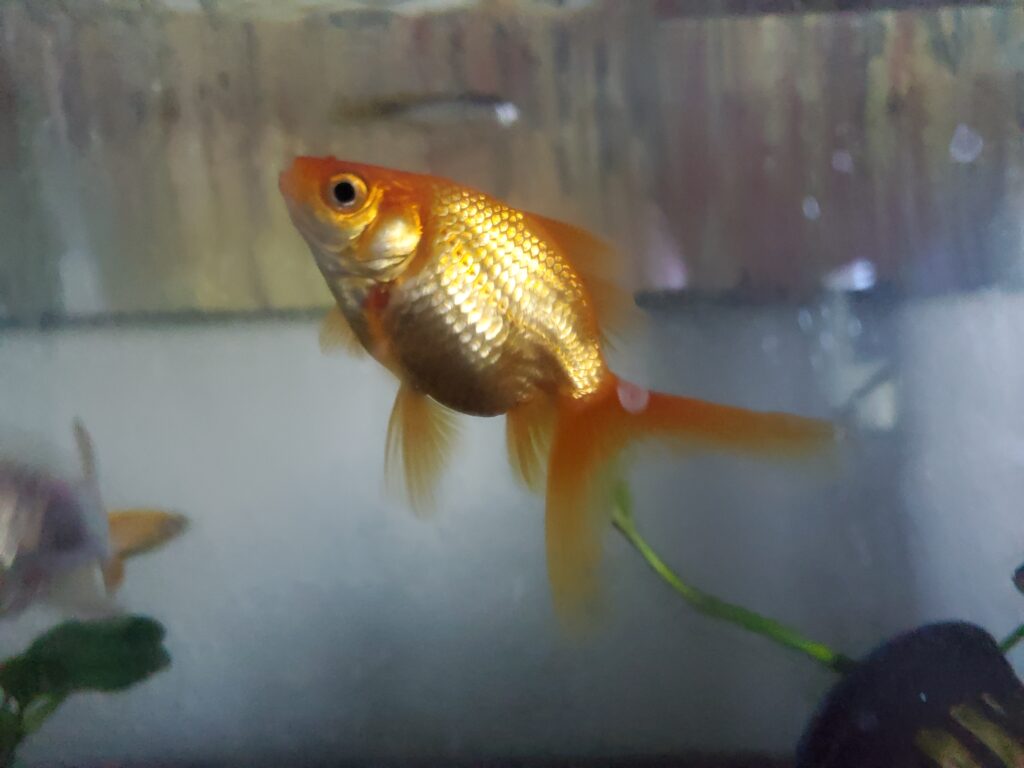
Goldfish are sold as easy starter pets, but proper goldfish care is more demanding than most people expect. They grow large, produce a lot of waste, and can live 10 to 20 years, so a bowl or small tank is a slow death sentence. Give them a big, well-filtered tank (or a pond), a simple diet and regular water changes, and they are tough, intelligent and full of personality.
Overview and Appearance
Goldfish (Carassius auratus) are a domesticated carp. They come in two main groups:
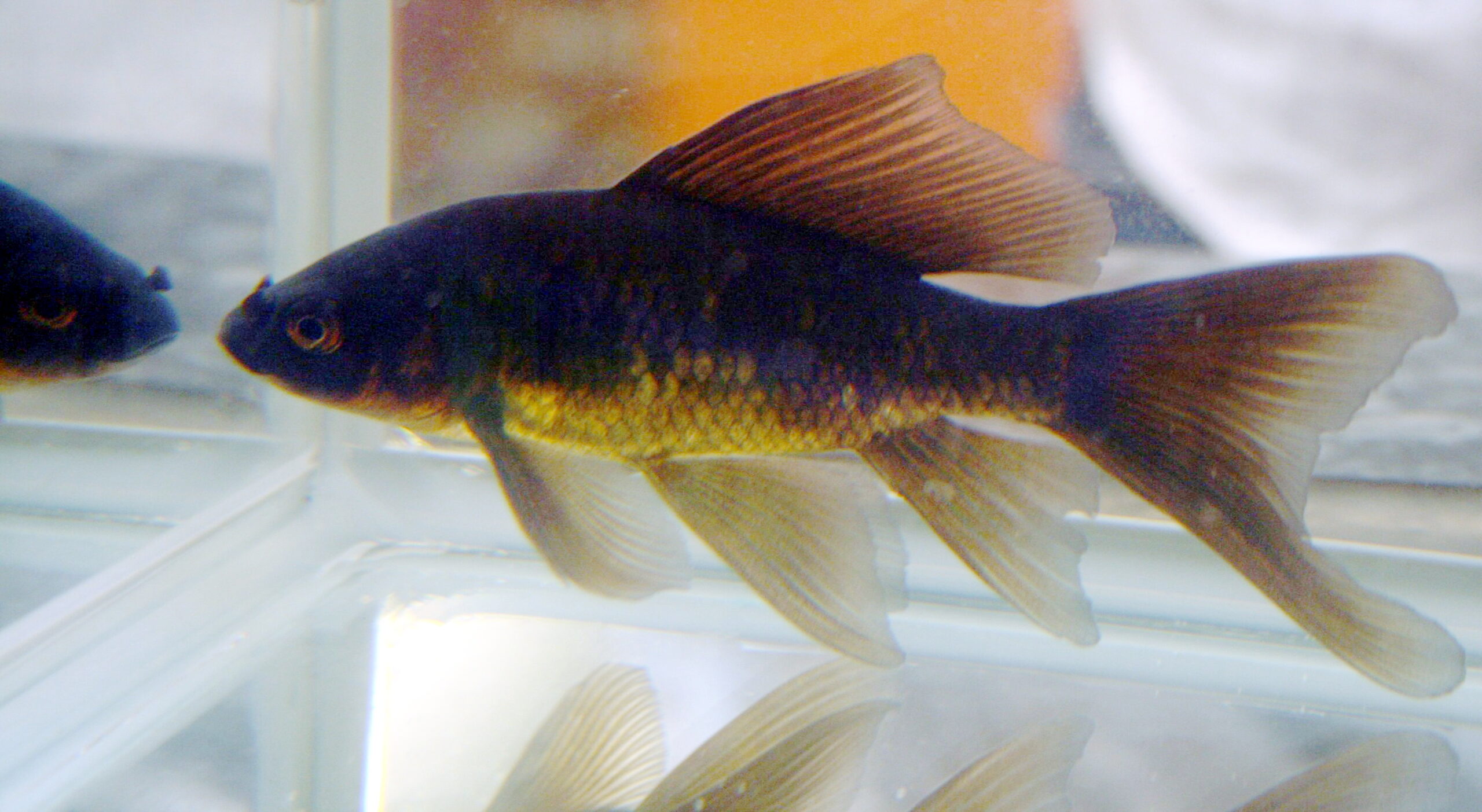
- Single-tailed types such as common goldfish, comets and shubunkins. They’re sleek, fast and can reach 10 to 12 inches or more.
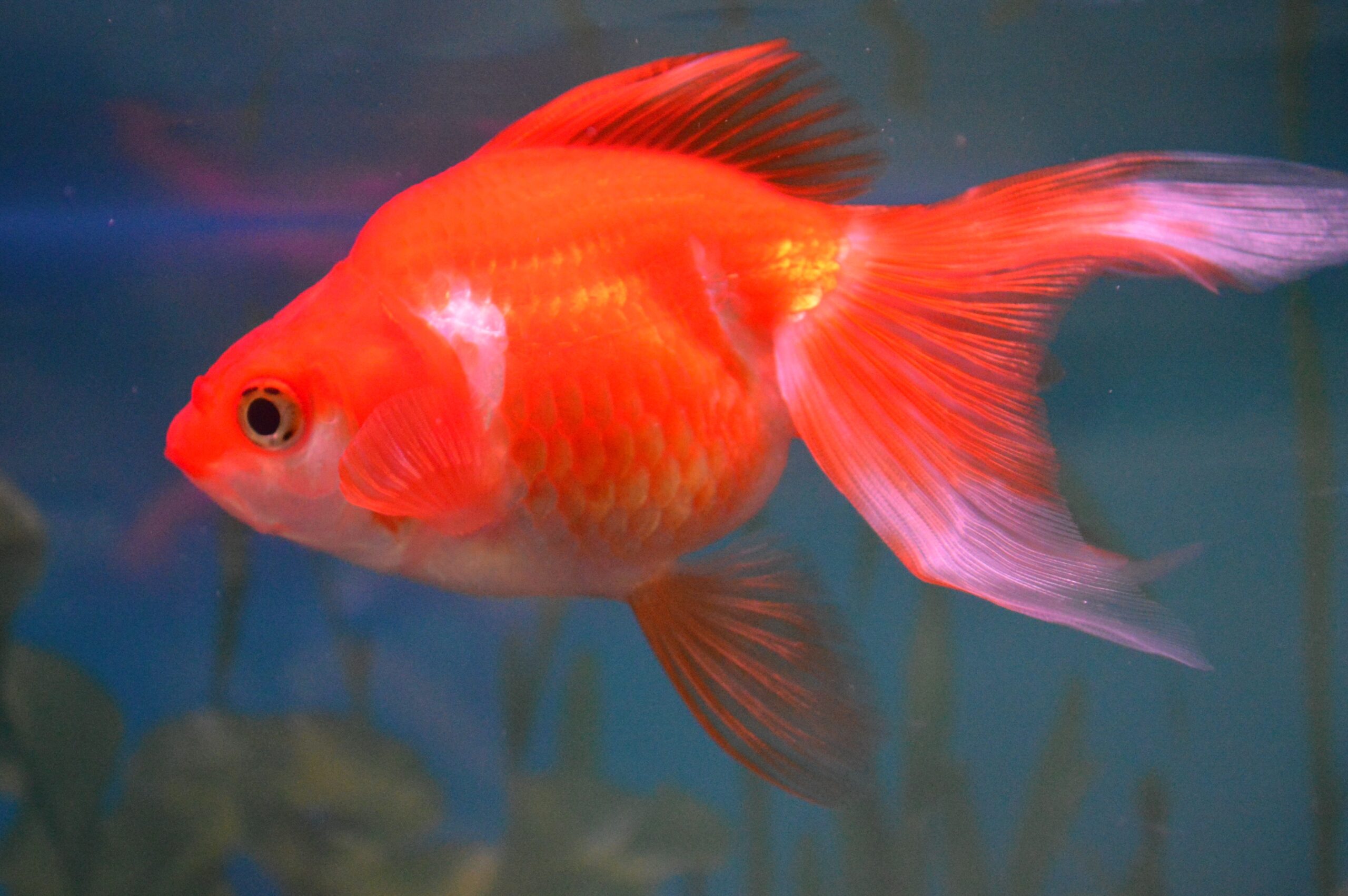
- Fancy types such as fantails, ryukin, orandas, ranchus and lionheads. They have a rounded body and double tail and usually reach 6 to 8 inches.
Fancy types swim slower and have more health issues from their body shape, so they need more careful care.
Size and Lifespan
Healthy goldfish commonly live 10 to 15 years, and some pond fish reach 20 or more. Their reputation for dying in months comes from bowls, cold shocks, ammonia and overfeeding, not their natural lifespan.
Tank Size and Setup
- Fancy goldfish: at least 20 gallons for the first fish plus 10 gallons for each additional fish. A 40-gallon tank is a better starting point for two.
- Common, comet and shubunkin: these belong in a pond or a very large tank (75 gallons and up), as they get long and are fast.
- Filtration: goldfish are messy. Use a filter rated for a larger tank than yours, such as a canister filter or oversized hang-on-back filter.
- Substrate: smooth sand or large rounded gravel (bigger than their mouths), since goldfish dig and can choke on small stones.
- Decor: smooth decorations, hardy plants like anubias and java fern. Goldfish eat and uproot softer plants.
- Heater: usually not needed. Avoid sudden temperature swings.
Just a heads up: some of the links in this post are affiliate links, which means I may earn a small commission if you buy through them. But no worries, it is at no extra cost to you. Also, as an Amazon Associate I earn from qualifying purchases.
Fully cycle the tank before adding goldfish, because they produce more ammonia than almost any similar-sized fish.
Water Parameters
- Temperature: 65 to 74°F (18 to 23°C) for fancy types; common types tolerate colder water
- pH: 7.0 to 8.4
- Ammonia and nitrite: 0 ppm (see our guide to ammonia in a fish tank)
- Nitrate: under 20 to 40 ppm
- Water changes: 30 to 50% weekly, using a water conditioner
Test regularly with a liquid test kit.
Diet and Feeding
Goldfish don’t have true stomachs and eat nonstop if you let them. Overfeeding is the leading cause of bloating and swim bladder trouble.
- A quality sinking pellet or gel food as the staple. Sinking foods prevent them gulping air at the surface.
- Vegetables several times a week: blanched peas (shelled), zucchini, spinach and lettuce
- Occasional treats such as brine shrimp or bloodworms
- Feed small amounts once or twice daily, only what they finish in about 2 minutes
Soaking dry food briefly before feeding can help prevent swim bladder problems.
Temperament and Tank Mates
Goldfish are peaceful, social and curious. Best tank mates are other goldfish of the same type. A few cautions:
- Don’t mix fast single-tail goldfish with slow fancy types. The fast ones win the food and stress the others.
- Avoid tropical fish: they need warmer water, and goldfish will nip long fins and eat small fish.
- Avoid small fish or shrimp, because goldfish eat anything that fits in their mouths.
- Don’t keep with fin nippers or aggressive fish.
Some people keep a nerite snail or a hardy bristlenose with goldfish, but it is not guaranteed to work.
Breeding
Goldfish breed in spring or early summer when water warms. Males develop small white bumps (breeding tubercles) on the gill covers and pectoral fins and chase females. Eggs stick to plants or spawning mops, and the adults will eat them, so remove the eggs or adults. Fry need tiny foods like baby brine shrimp and powdered food.
Common Health Issues
- Ammonia burns and poor water quality: the most common killer. Test often.
- Swim bladder disorder: floating, sinking or swimming sideways, often linked to overfeeding or constipation
- Ich (white spots): common after temperature swings. See what are the white spots on my fish.
- Fin rot and bacterial infections: see fin rot
- Dropsy: swollen body and raised scales (dropsy in fish)
- Parasites such as flukes and anchor worms on new fish. Quarantine new arrivals (quarantine tank setup).
If a goldfish sits on the bottom, read fish lying on the bottom of the tank. Be careful with salt: goldfish tolerate it, but see should I use aquarium salt first.
Difficulty Level
Goldfish are often called beginner fish, but they’re beginner-friendly only if you provide a big tank and strong filtration. They are hardy and forgiving of cooler water, but they punish small tanks, overfeeding and a missing cycle. Koi keepers will find a lot of overlap, see our koi care guide.
Goldfish Care FAQ
How big of a tank does a goldfish need?
At least 20 gallons for one fancy goldfish and 10 more for each extra. Single-tailed goldfish need 75 gallons or a pond.
Can goldfish live in a bowl?
No. Bowls lack filtration and swimming space and cause stunted growth, stress and early death.
How long do goldfish live?
10 to 15 years with good care, and sometimes 20 or more.
Do goldfish need a heater?
Usually not. Keep temperature steady between about 65 and 74°F for fancy types.
What do goldfish eat?
A sinking goldfish pellet or gel food, plus blanched vegetables like peas and greens, and occasional protein treats.
How often should I feed my goldfish?
Once or twice a day in small amounts. Skip a day each week to prevent bloating.
Can goldfish live with other fish?
Best with other goldfish of the same body type. Tropical fish and small tank mates are usually a poor match.
Final Thoughts
Goldfish can become real pets that recognize you and live for decades. Start with a big tank, an oversized filter and a cycled setup, and you’ll avoid nearly every problem new keepers hit.
Photos via Wikimedia Commons: Fantail Goldfish Carrot by Ry362 (CC BY-SA 3.0); Yatomi Goldfish Ryukin by Asturio Cantabrio (CC BY-SA 4.0); Black Comet Goldfish by Michelle Jo (CC BY-SA 3.0).
Disclaimer: This article is general information, not veterinary advice. For serious or persistent problems, consult an aquatic veterinarian.