
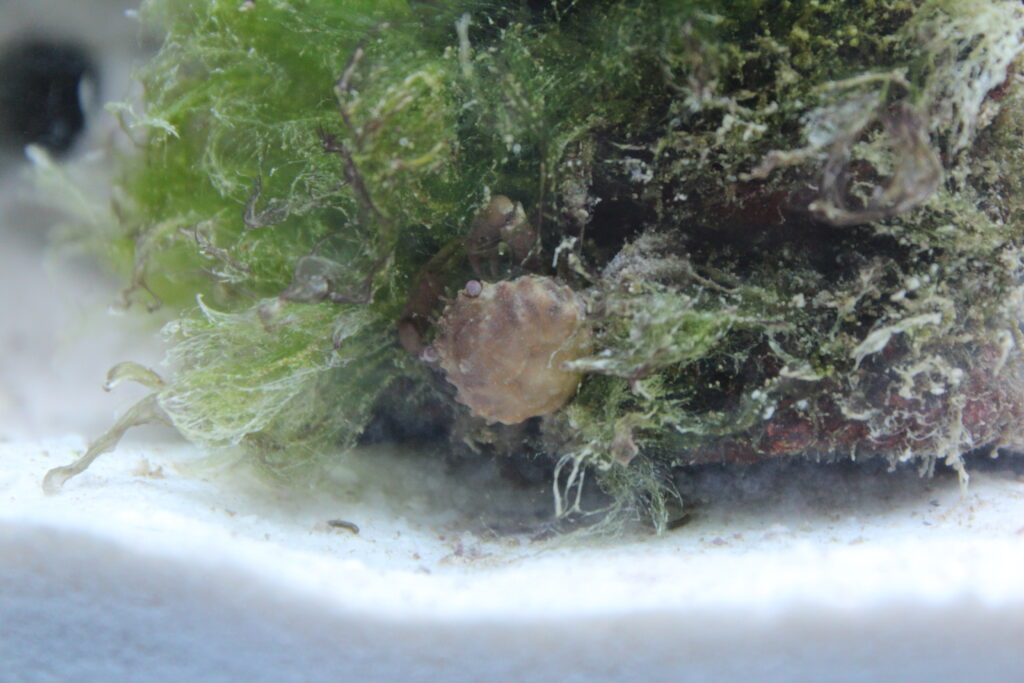
If your fish tank has green, brown or black hair-like strands growing on plants, rocks or decor, that is hair algae, and it almost always means nutrients (nitrate and phosphate) and light are out of balance. To get rid of it, remove as much as you can by hand, cut back excess light and feeding, do regular water changes, and add algae eaters that actually eat it. Hair algae is not poisonous to fish, so there is no need to panic, but it will keep coming back until the cause is fixed.
This guide covers freshwater, planted, saltwater and reef tanks, and answers the most common questions: what causes hair algae, how to get rid of it for good, and what eats it.
What Is Hair Algae?
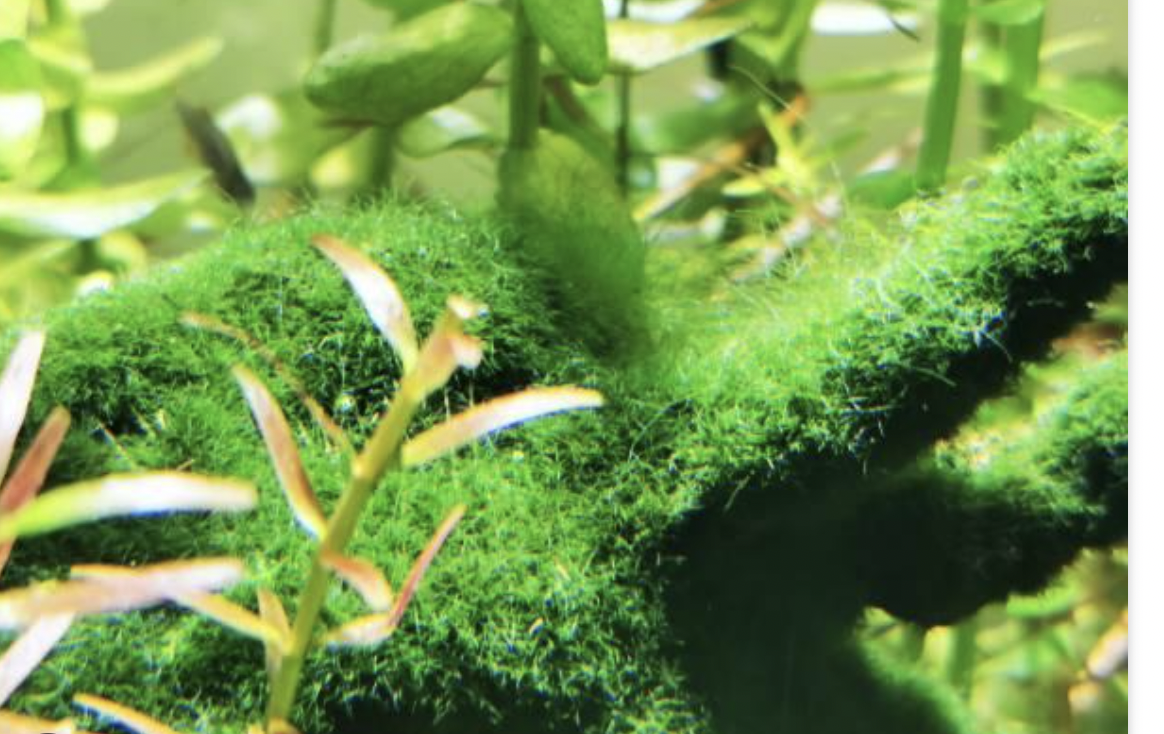
Hair algae (also called filamentous algae, string algae or thread algae) forms long, fine strands that look like green fuzz, wool or a beard. Colors range from bright green to brown, black or even red. In freshwater tanks, the common types are green hair algae, black beard algae (BBA) and staghorn algae. In saltwater and reef tanks, it is often Cladophora and Derbesia.
A little hair algae is normal in almost every tank. It becomes a problem when it takes over plants, smothers coral or looks unsightly.
Most Common Causes of Hair Algae (Ordered by Likelihood)
- Too much light. Lights left on 10-12 hours a day, or a light that is too strong for the tank, is the number one cause.
- Excess nutrients (nitrate and phosphate). Overfeeding, too many fish, and infrequent water changes feed algae.
- A new or immature tank. Young tanks have unstable nutrients and little plant or coral growth to compete with algae.
- Direct sunlight. A tank near a window will grow algae no matter what else you do.
- Phosphate and nitrate from your source water or salt mix. Tap water or old RO/DI filters can quietly add phosphate.
- Weak plant growth (freshwater). Plants that are struggling for CO2 or nutrients let algae win. Planted tanks often get hair algae when fertilizer dosing is inconsistent.
- Low flow and dead spots. Detritus builds up where water does not move, feeding algae.
- Poor maintenance. Clogged filters, dirty substrate and skipped water changes all raise nutrients.
How to Diagnose Which Cause Applies
- Test your water. Use a freshwater master test kit for nitrate, or a phosphate test kit. Nitrate above 20 ppm in freshwater, or any measurable phosphate (above about 0.1 ppm), points to a nutrient problem. In a reef, aim for low but not zero nitrate and phosphate.
- Count your light hours. More than 8 hours a day, or sunlight hitting the tank, is a likely cause.
- Check where it grows. Algae near the light or on the glass points to light. Algae in a dead-flow corner points to detritus. Algae only on old, dying plant leaves means your plants need help.
- Review feeding. Uneaten food on the substrate after 2-3 minutes means you are overfeeding.
- Test your tap water. If tap water already has phosphate or nitrate, water changes will not lower them as much as you expect.
Just a heads up: some of the links in this post are affiliate links, which means I may earn a small commission if you buy through them. But no worries, it is at no extra cost to you. Also, as an Amazon Associate I earn from qualifying purchases.
How to Get Rid of Hair Algae (Step by Step)
Step 1: Remove it by hand
Twirl hair algae around a toothbrush or algae scrubber and pull it out. In a reef tank, remove it from rock in a bucket of tank water, not in the display, so spores do not spread. Removing it physically is the most effective single step, because it takes nutrients out of the system.
Step 2: Cut the light
Reduce the photoperiod to 6-8 hours (freshwater) or follow your corals’ needs (reef), and keep the tank out of direct sun. A timer keeps this consistent. Some hobbyists use a short 2-3 day blackout (cover the tank fully) on freshwater tanks with fish only, but never blackout a planted tank for long or a reef.
Step 3: Reduce nutrients
Feed only what your fish eat in two minutes, siphon detritus, and do weekly 25-50% water changes with treated water. Use a good water conditioner. Rinse filter media in old tank water, and do not let it clog. If your tank also has high ammonia or cloudy water, fix those first with our guides on ammonia in a fish tank and cloudy aquarium water.
Step 4: Fix plant growth (freshwater)
Add fast-growing plants such as hornwort, water sprite or floating plants. They absorb the nutrients algae use. Make sure fertilizers are dosed consistently, not in large doses.
Step 5: Add algae eaters
Algae eaters help, but they do not fix the cause. The best choices:
- Freshwater: Amano shrimp are among the best hair algae eaters. Cherry shrimp and nerite snails graze lighter growth. Siamese algae eaters also eat some types, including black beard algae when young.
- Saltwater: Emerald crabs, lawnmower blennies, and kole tangs graze it, as do astraea snails and many hermit crabs. Match the animal to tank size, and see each care guide first.
Step 6: Use targeted treatments if needed
For freshwater, spot treating black beard algae with a liquid carbon algae treatment can work, but follow the label carefully, because shrimp and snails can be harmed. In a reef, a phosphate remover and improved flow are usually safer and more effective than chemicals.
When It Is Serious
Hair algae itself rarely harms fish. It becomes serious when it:
- Smothers plants or coral, causing them to melt or die back.
- Tangles small fish, shrimp or snails, which can trap them.
- Grows alongside a sudden nitrate or phosphate spike, which can also affect fish health.
- Returns quickly after every cleaning, meaning the underlying cause is unresolved.
If animals are trapped or you see fish breathing hard, do a water change and test for ammonia and nitrite right away. See fish gasping at the surface.
How to Prevent Hair Algae
- Keep lights on a timer at 6-8 hours (freshwater).
- Feed small amounts and remove uneaten food.
- Do weekly water changes and vacuum the substrate.
- Keep strong plant growth, or stock reef tanks with a clean-up crew.
- Use RO/DI water in saltwater tanks and test your tap water.
- Do not place the tank next to a window.
- Be patient with new tanks. Most algae phases fade as the tank matures, and our guide on how to cycle a fish tank helps you start well.
Hair Algae FAQ
Why do I have hair algae in my fish tank?
Usually too much light and too many nutrients (nitrate and phosphate) from overfeeding or infrequent water changes.
How do I get rid of hair algae in a freshwater tank?
Pull it out by hand, shorten the lights, cut back feeding, do regular water changes, add fast-growing plants and algae eaters like Amano shrimp.
How do I get rid of hair algae in a reef or saltwater tank?
Remove it by hand, lower phosphate and nitrate, use RO/DI water, increase flow, and add a clean-up crew such as emerald crabs, astraea snails or a lawnmower blenny.
What eats hair algae?
Amano shrimp, some nerite snails, Siamese algae eaters, emerald crabs, lawnmower blennies, kole tangs and many snails and hermit crabs. Their appetite depends on the species of algae.
Is hair algae bad for fish?
Not usually. It is mostly a sign of unbalanced nutrients and light, but heavy growth can trap small animals and smother plants and coral.
Can hair algae kill fish?
Rarely directly. The conditions that cause it, such as high nutrients, poor water quality or low oxygen at night, can stress fish.
Will hair algae go away on its own?
Sometimes in a new tank as it matures, but usually it keeps coming back until you fix light, feeding and nutrients.
How long does it take to get rid of hair algae?
Often 2-6 weeks of steady changes. Quick fixes rarely last.
Final Thoughts
Hair algae is frustrating, but it is a signal rather than a disease. Balance light, feeding and nutrients, remove what you can by hand, and let algae eaters and healthy plants or corals do the rest.
Photo credits: Emerald crab grazing on hair algae by aquarist.me, CC BY 2.0; Filamentous algae by Ricecat1235, CC0; Aquarium Sponge Filter foam 1 by Ofkun, CC BY-SA 4.0, all via Wikimedia Commons.
Disclaimer: This article is general information, not veterinary advice. For serious or persistent problems, consult an aquatic veterinarian.