
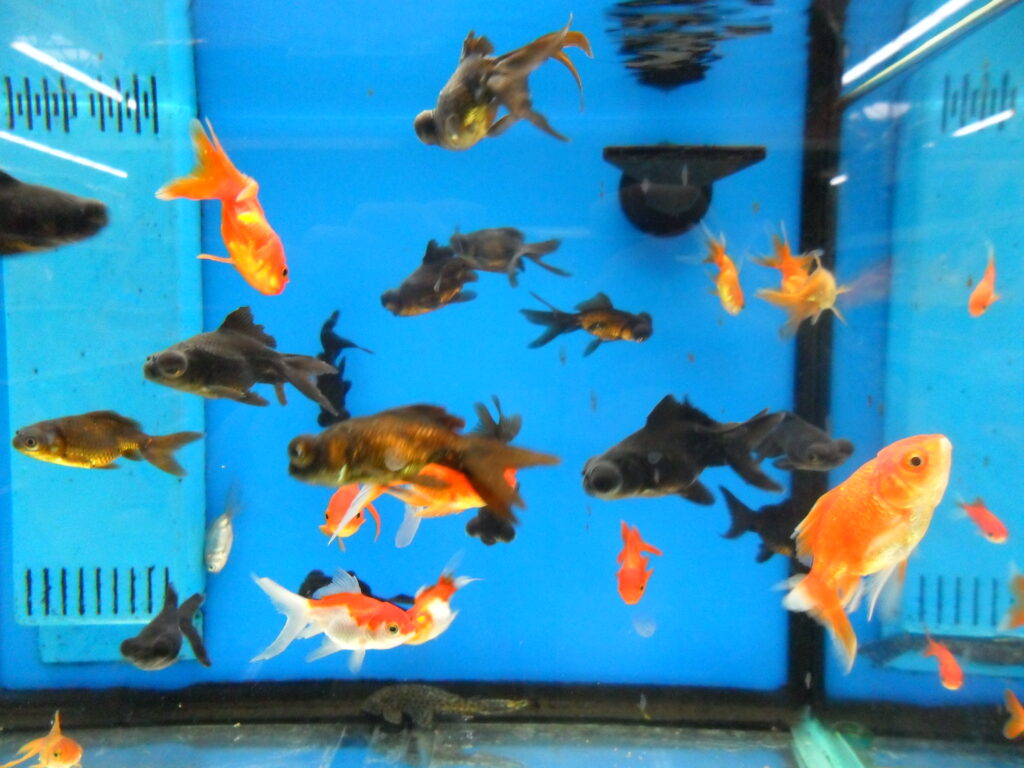
Fish flashing means a fish is darting or twisting so its side scrapes against decorations, rocks, gravel or sand, as if trying to scratch an itch. The most common causes are irritated skin and gills from poor or suddenly changed water (ammonia, nitrite, chlorine or chloramine, pH swings) and external parasites such as ich or gill and skin flukes. Test your water first, do a conditioned water change, then check the fish for spots, hazy slime, fast breathing or clamped fins to work out which cause fits.
If your fish is scratching on gravel, rubbing on rocks, twitching or flashing after a water change, this guide covers all of those phrasings in one place. An occasional scratch is normal. Repeated flashing, especially in several fish at once, is a warning sign.
What Is Flashing and What Does It Look Like?
Flashing is a quick sideways dart or roll in which the fish brushes its flank against a surface and then swims off. Some fish also rub their gills, shake, twitch or hover near the filter outflow. Wikipedia’s summary of ich lists flashing (rubbing and scratching against objects) alongside appetite loss, faster breathing and resting on the bottom as typical signs of a clinically infected fish. University of Florida fish-health notes on flukes also describe fish rubbing the bottom or sides of the tank.
Flashing is a symptom, not a disease. Something is irritating the skin or gills, and your job is to find out what.
Most Common Causes of Fish Flashing (Ordered by Likelihood)
- Water quality problems. Ammonia and nitrite burn gills and skin. The University of Florida (UF/IFAS) notes that ammonia is the most important water quality factor after oxygen, and that even low levels stress fish and damage gills. See our guide to high ammonia in a fish tank.
- Chlorine, chloramine or a sudden pH/temperature change. Flashing right after a water change usually points here: untreated tap water, a big temperature difference, or a large pH swing.
- External parasites. Ich (white spot) and flukes are the classic ones. Skin and gill flukes feed on mucus and skin cells, and heavy gill infestations cause fast breathing. Marine capsalid flukes can cause “extreme irritation” according to UF/IFAS.
- New tank or new fish stress. Fish added without quarantine often bring parasites, and a tank that is not fully cycled irritates everything in it. See how to cycle a fish tank.
- Medication or salt overdose. Chemical treatments can damage mucus and the protective slime coat, which leads to more irritation.
- Bacterial skin or gill problems. Often secondary to the causes above. See bacterial infections in aquarium fish.
- Normal behavior. A single fish scratching once or twice a day, with perfect water, normal breathing and appetite, is usually nothing to worry about.
How to Diagnose Which Cause You Have
Work through these questions in order:
- Did it start right after a water change or new decor? Suspect water chemistry, chlorine/chloramine or temperature.
- What do your test results say? Use a liquid freshwater master test kit for ammonia, nitrite, nitrate and pH. Ammonia or nitrite above 0 is a problem. For saltwater, also check salinity, temperature and alkalinity.
- Are there white spots like grains of salt? That points to ich. See what are the white spots on my fish.
- Is the fish breathing fast or hanging near the surface or filter outflow? Gill irritation from ammonia, low oxygen or gill flukes. See fish gasping at the surface.
- Hazy, gray or slimy patches, or clamped fins? Could be excess mucus from irritation or a parasite. Compare with clamped fins.
- Did you add new fish in the past few weeks? Parasites are likely if flashing started days or weeks later.
- How many fish are flashing? One fish suggests a local issue. Several fish at once suggests the water or a contagious parasite.
Just a heads up: some of the links in this post are affiliate links, which means I may earn a small commission if you buy through them. But no worries, it is at no extra cost to you. Also, as an Amazon Associate I earn from qualifying purchases.
Parasites usually cannot be confirmed by eye alone. A definitive diagnosis for flukes and many other parasites needs a skin or gill scrape under a microscope, which an aquatic vet can arrange.
Step-by-Step Fixes
Step 1: Test the water
Record ammonia, nitrite, nitrate, pH and temperature before changing anything.
Step 2: Do a conditioned water change
If ammonia or nitrite is detectable, change about 25-50% of the water using a dechlorinator that also handles chloramine, matched to the tank temperature. One exception: in an old tank with very low pH, avoid large sudden changes, because a big pH jump can itself stress fish. Make that correction gradually.
Step 3: Stop feeding heavily and check the filter
Cut back food for a day or two and make sure the filter is running and not clogged. Do not replace all the filter media at once, since that removes beneficial bacteria.
Step 4: Remove irritants
Take out new decor or substrate that came with sharp edges or residue, and stop adding any chemicals you do not need. Do not use extra salt or medication “just in case.”
Step 5: Look for parasites
If water is good and flashing continues for more than a few days, or you see spots, hazy slime or fast breathing, treat for the likely parasite in a separate tank where possible. A basic hospital tank makes this safer. Read our quarantine tank setup guide for the steps. Choose a product labeled for the parasite you suspect and for your species. Scaleless fish, invertebrates, snails and live plants are sensitive to many medications. Our medication roundup explains the common options.
Step 6: Watch the response
Flashing from water quality should stop within a day or two of clean water. If it continues, or the fish gets worse, stop guessing and contact an aquatic veterinarian.
When Flashing Is Serious
Get help quickly if you see:
- Fish gasping, lying on the bottom or refusing food
- Fast breathing, swollen or pale gills
- Open sores, bleeding, or rapidly spreading white patches
- Multiple fish affected or deaths in the tank
How to Prevent Flashing
- Cycle the tank before adding fish and test regularly
- Always treat tap water and match temperature during water changes
- Quarantine new fish for several weeks
- Avoid overcrowding and overfeeding
- Use medications only when you have a reason, and follow the label
Fish Flashing FAQ
Why is my fish scratching on gravel or rocks?
It is trying to relieve irritation on the skin or gills. Check water quality first, then look for parasites.
Why is my fish flashing after a water change?
Usually untreated chlorine or chloramine, or a big change in temperature or pH between old and new water.
Is a fish rubbing on rocks always ich?
No. Ich shows as small white spots, and many flashing fish never develop them. Water problems and flukes are also common.
Is fish flashing contagious?
Flashing itself is not, but a parasite causing it can spread between fish in the same tank.
Can fish flashing go away on its own?
If the cause was temporary, such as a minor water change issue, yes. If it keeps happening, find the cause.
Do I need an aquatic vet?
If water is good, treatment is not working, or several fish are sick, a vet can check a scrape under the microscope and recommend a treatment.
Final Thoughts
Flashing is your fish telling you something is wrong. In most tanks, clean, treated water solves it. If not, the next step is careful parasite diagnosis, not a pile of medications.
Disclaimer: This article is general information, not veterinary advice. For serious or persistent problems, consult an aquatic veterinarian.
Sources and Fact Check
Reviewed 2026-11-15. Pages actually read:
- UF/IFAS Ammonia in Aquatic Systems (FA031): ammonia is the most important water quality factor after oxygen; low levels stress fish and damage gills.
- UF/IFAS Monogenean (fluke) infections (FA033): flukes feed on skin and gills mucus; fish may rub on tank surfaces; heavy gill infestations raise breathing rate.
- UF/IFAS Stress in fish (FA005): correct stressors such as poor water quality before or while treating disease.
- Wikipedia: Ichthyophthirius multifiliis: flashing listed among signs of ich; life cycle length depends on temperature.
Practical advice such as water-change percentages is a hobby guideline, not a proven threshold. A search engine summary was not available at review time, so no claims rely on one.