
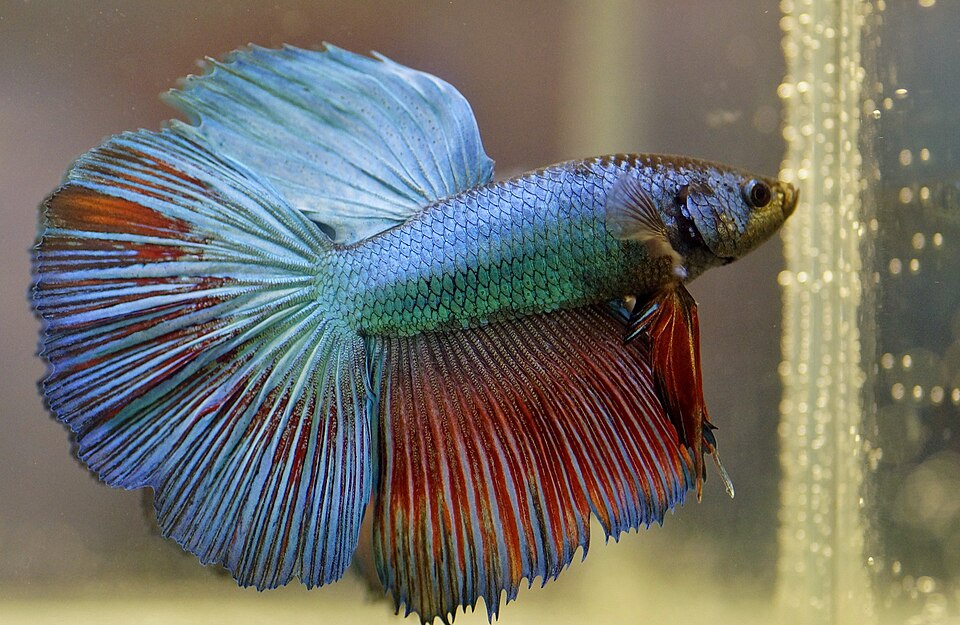
If your betta’s fins are clamped, the most likely causes are poor water quality (ammonia, nitrite or nitrate), water that is too cold, or stress. Clamped fins are a symptom, not a disease: your fish is telling you something is wrong. Test your water, check the temperature (a stable 78-80°F), do a water change and look for stressors; most bettas recover within a few days once the cause is fixed.
This guide answers the whole problem in one place, whether you searched “my betta’s fins are clamped”, “betta clamped fins treatment”, “clamped fins after water change” or “why does my betta have clamped fins”.
What Do Clamped Fins Look Like?
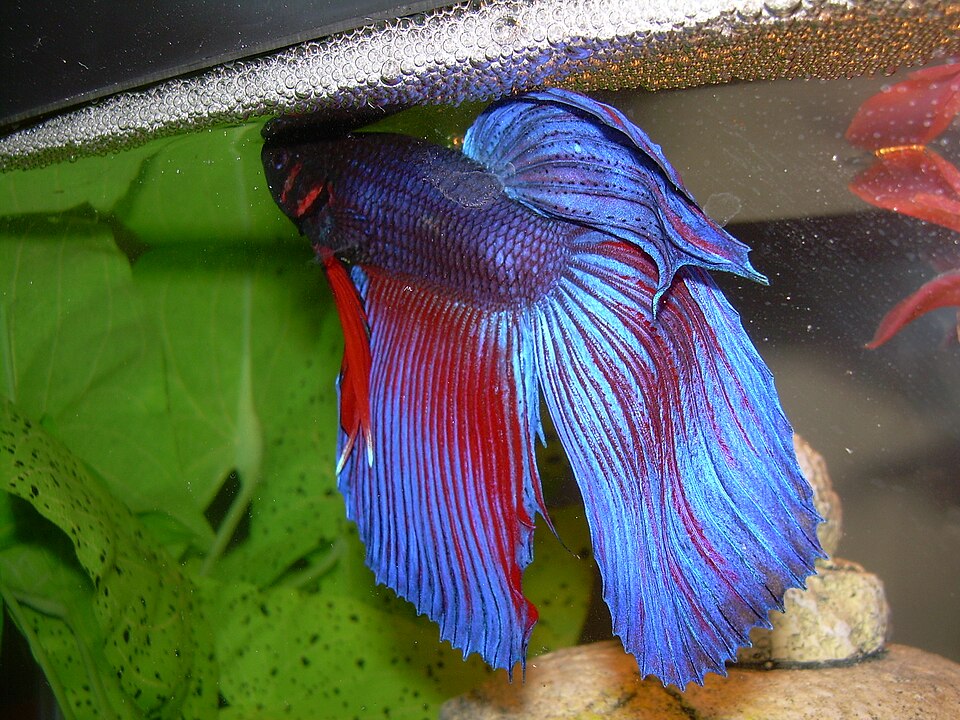
A healthy betta holds its fins open and relaxed. Clamped fins are held tight against the body, so the tail looks thin and folded and the dorsal fin looks like a stick. The fish often looks smaller and “pinched”. Clamping can be constant or come and go.
Clamped fins are different from fins that are simply short or torn. If edges are ragged or turning white or black, that is likely fin rot, which often shows up alongside clamping.
Most Common Causes of Betta Clamped Fins (Most Likely First)
- Ammonia, nitrite or high nitrate. The number one cause, especially in new or uncycled tanks and small unfiltered tanks.
- Water too cold. Bettas are tropical. Below about 76°F they get sluggish, lose appetite and clamp.
- Temperature swings or a big water change shock. This explains many reports of clamped fins after a water change: the new water was too cold, too hot, unconditioned or very different in pH.
- Stress. Strong filter current, a mirror or reflective surface, aggressive or fin-nipping tank mates, bright lights all day, or a tank that is too small.
- Internal parasites or bacterial infection. Usually accompanied by stringy poop, bloating, weight loss or refusing food.
- Velvet or ich. Clamped fins with a gold or white dust or spots on the body.
- Constipation or swim bladder trouble. Often tied to overfeeding or dry pellets.
- Old age or a new fish adjusting. A betta that was just shipped or moved may clamp for a day or two.
How to Diagnose Which Cause Applies
Work through this in order. It takes about ten minutes.
- Test the water. Use a liquid test kit such as the API freshwater master test kit. You want ammonia 0, nitrite 0 and nitrate under 20 ppm. Any ammonia or nitrite reading is an emergency.
- Check the temperature with a real thermometer, not a sticker. Aim for 78-80°F.
- Look at recent changes. New fish, new decoration, water change, new filter or medication in the last few days?
- Look at the fish closely. Any white spots, gold dust, bloating, pinecone scales, ragged fin edges, red streaks or stringy poop?
- Watch behavior. Is he eating? Hiding? Fighting the current? Flaring at his reflection?
Just a heads up: some of the links in this post are affiliate links, which means I may earn a small commission if you buy through them. But no worries, it is at no extra cost to you. Also, as an Amazon Associate I earn from qualifying purchases.
Step-by-Step Fixes
Step 1: Fix the water first
If ammonia or nitrite is above 0, do a 30-50% water change right away with water at the same temperature as the tank, treated with a water conditioner that detoxifies ammonia. Repeat daily until readings are 0. If the tank is not cycled, read our guide on how to cycle a fish tank.
Step 2: Warm and stabilize the temperature
Use an adjustable aquarium heater sized for your tank. Room temperature is not warm enough in most homes. Raise cold water slowly, no more than 2°F per hour.
Step 3: Reduce stress
- Turn the filter down or baffle the outflow so the fin is not being blown around.
- Remove mirrors and reflective decor, and give lights a 8-10 hour cycle.
- Add soft plants, silk or live, and a leaf hammock or cave for hiding.
- Separate fin nippers or aggressive tank mates immediately.
- Bettas want at least 5 gallons; see our betta care guide for the full setup.
Step 4: Check feeding
Skip food for one day, then feed a few high-quality pellets soaked in tank water, once or twice a day. A bit of blanched, shelled pea can help if constipation is the cause. Remove uneaten food promptly.
Step 5: Use salt or medication only if needed
- If water and temperature are fixed and the fish still clamps after 2-3 days, a low dose of aquarium salt can reduce stress and help with mild infections; read our aquarium salt guide first.
- If you see ragged fins, white spots, bloating or stringy poop, move him to a quarantine or hospital tank and treat for the specific problem. Our bacterial infections guide and medication roundup cover options.
- Do not medicate blindly. Wrong treatments can add stress.
Step 6: Keep monitoring
Fins should begin to relax within 24-72 hours of fixing the cause. Test water daily for the first week.
When Clamped Fins Are Serious
Get more aggressive if you see any of these:
- Clamped fins that last more than 5-7 days despite perfect water and temperature
- Fish lying on the bottom, gasping or sitting at the surface (see fish gasping at the surface)
- Pinecone-like scales or a swollen belly (see dropsy in fish)
- Rapidly rotting fins, red sores or white fuzz
- Complete refusal to eat for more than 4-5 days
At this stage, consider consulting an aquatic veterinarian or an experienced fishkeeper.
How to Prevent Clamped Fins
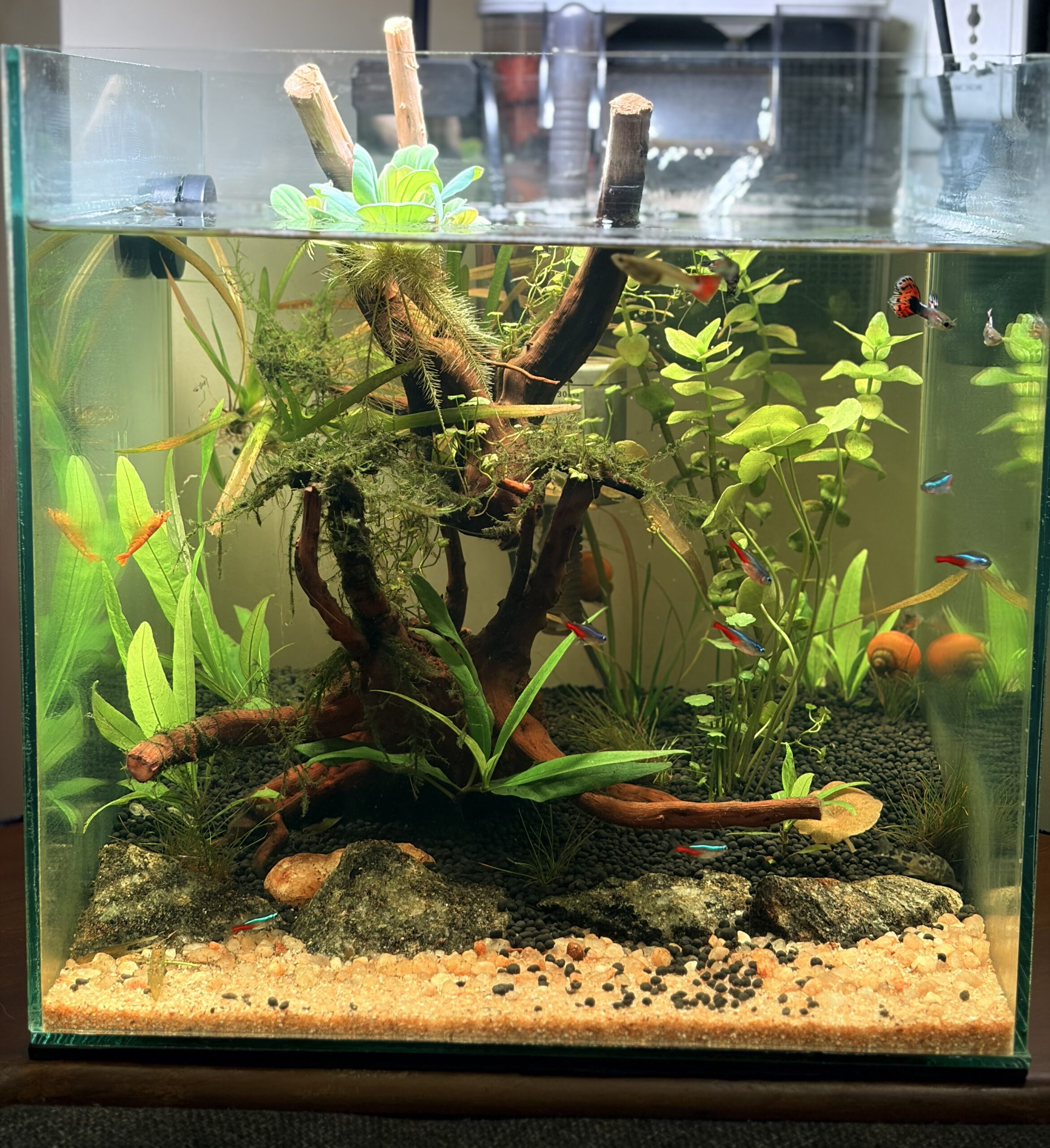
- Cycle the tank before adding a betta
- Keep a heater set to 78-80°F and check it with a thermometer
- Change 25-30% of the water weekly with conditioned, temperature-matched water
- Test water regularly rather than waiting for symptoms
- Choose gentle filtration and peaceful or no tank mates
- Feed small amounts of quality food and quarantine new fish
Betta Clamped Fins FAQ
Why are my betta’s fins clamped?
Most often it is poor water quality, cold water or stress. Test ammonia, nitrite, nitrate and temperature first.
Why does my betta have clamped fins after a water change?
The new water was probably a different temperature or pH, or was not treated with conditioner. Always match temperature and use a dechlorinator. Large changes in unstable tanks can shock a betta; smaller, more frequent changes are safer.
What is the treatment for clamped fins in bettas?
There is no single treatment. Fix the cause: clean the water, warm it to 78-80°F, reduce stress, and only then treat any infection or parasite you can actually identify.
Betta clamped fins but no other symptoms: should I worry?
It is still worth testing water right away. Clamping with no other signs is usually early stress or water quality, and it is easiest to fix at this stage.
Are clamped fins contagious?
No, clamping itself is a symptom. But the cause, such as bad water or a parasite, can affect other fish in the tank.
How long do betta clamped fins take to go away?
If water and temperature were the cause, usually 1-3 days. If it persists beyond a week, look for infection or parasites.
Can a betta recover from clamped fins?
Yes. Most do, as long as the underlying cause is found and corrected early.
Can clamped fins be caused by a filter current?
Yes. Bettas have heavy fins and are poor swimmers. A strong current makes them hold fins tight. Baffle the outflow.
Final Thoughts
Betta clamped fins are a warning sign, and a fixable one. Test your water, check the heater, remove stress and watch closely, and most bettas open their fins back up within days.
Have you rescued a betta with clamped fins? Share what worked in the comments.
Disclaimer: This article is general information, not veterinary advice. For serious or persistent problems, consult an aquatic veterinarian.