
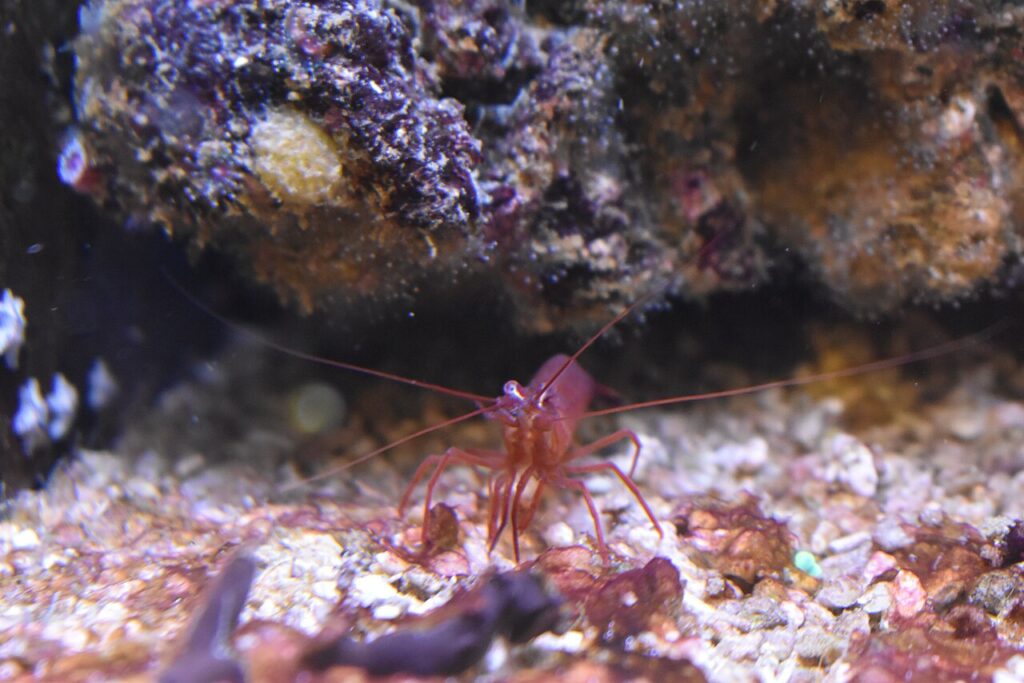
Peppermint shrimp are sold mostly for one reason: the hope that they will eat Aiptasia, the glass anemones that spread through reef tanks. They are also attractive, active and generally reef-safe. But the Aiptasia story is more complicated than the label suggests. Here's how to keep them well and what to realistically expect.
Peppermint Shrimp Overview and Appearance
The shrimp sold as "peppermint" are in the genus Lysmata. The classic species, Lysmata wurdemanni, has a translucent body with red-to-pink stripes running lengthwise, which gives it the candy-cane look. Eggs carried under the abdomen are green. They are active scavengers that come out more at night but will often venture out by day in a tank with good cover.
Which Species Do You Actually Have?
This matters. Reference material notes that the trade name "peppermint shrimp" covers several look-alike species, and that Lysmata boggessi, sometimes called the "true peppermint," is considered the most reliable Aiptasia eater. Shrimp sold simply as "peppermint" may be a different, cryptic species that shows little interest in glass anemones. Ask the seller what species they have and whether they've seen the shrimp eat Aiptasia. Never buy purely on a promise.
Size and Lifespan
L. wurdemanni reaches about 2.8 inches (7 cm). Hobbyists commonly report lifespans of a few years in a stable reef; no firm captive figure appeared in the references we checked, so treat that as an estimate.
Tank Size and Setup
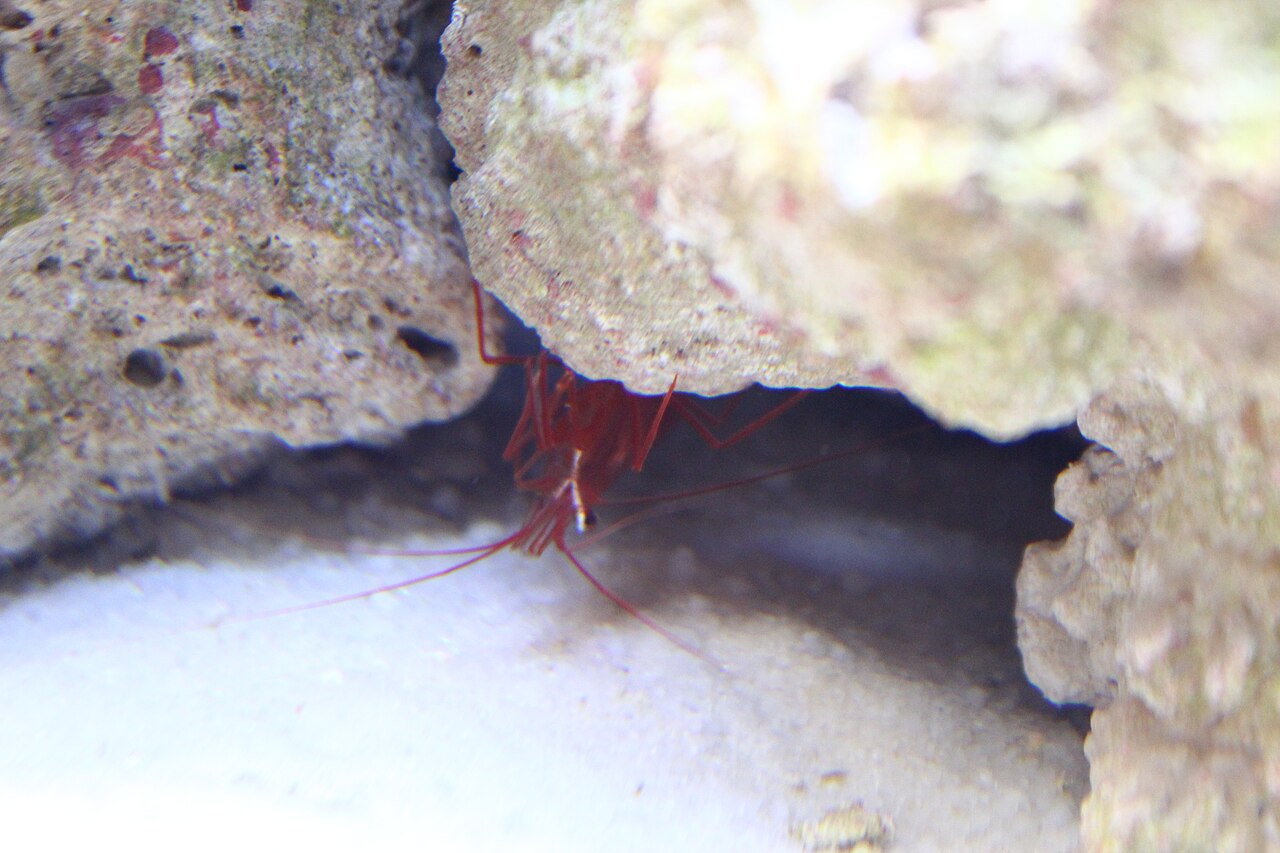
A mature tank of 20 gallons or more is a sensible minimum for one or two shrimp, and bigger is better for a group. Key points:
- A fully cycled, mature system. Don't add shrimp to a new tank; use our saltwater setup guide and cycling guide.
- Lots of live rock caves so the shrimp can hide, especially while molting.
- A tight-fitting lid or screen top, as shrimp can occasionally jump.
- Invertebrate safety. Avoid copper-based medications; they are toxic to shrimp. Treat sick fish in a separate quarantine tank.
Water Parameters
- Temperature: 72-78 °F (22-26 °C)
- Salinity: 1.023-1.026 specific gravity
- pH: 8.1-8.4
- Ammonia and nitrite: 0 ppm; keep nitrate low
Shrimp are sensitive to swings, so use a refractometer and a reliable saltwater test kit. Acclimate slowly by drip over 45-60 minutes, because sudden salinity changes are a common cause of early losses. Our shrimp dying after a water change guide covers the freshwater version of the same issue.
Just a heads up: some of the links in this post are affiliate links, which means I may earn a small commission if you buy through them. But no worries, it is at no extra cost to you. Also, as an Amazon Associate I earn from qualifying purchases.
Diet and Feeding
Peppermint shrimp are omnivorous scavengers. They pick at detritus, uneaten food and leftovers from fish feedings. Offer small pieces of frozen mysis or brine or a quality sinking marine pellet a couple of times a week, especially if the tank is very clean.
Will they eat Aiptasia?
Sometimes. A well-chosen shrimp may graze Aiptasia, particularly if you feed lightly so it's motivated. Results are inconsistent: some hobbyists see rapid clean-up, others see none. Don't rely on shrimp alone for a heavy outbreak. Combine them with other control methods and fix the nutrient levels that fuel the pests; see hair algae in an aquarium for the same nutrient-control logic.
A starving shrimp may also nibble on soft corals, clams or other things it shouldn't. Keep it fed and watch the first few weeks.
Temperament and Tank Mates
Peppermint shrimp are peaceful and reef-safe in most systems. They can be kept singly or in small groups. The danger comes from predators:
- Risky tank mates: large wrasses, triggerfish, groupers, lionfish, hawkfish, pufferfish and many crabs and mantis shrimp will eat them.
- Safer tank mates: clownfish, gobies, most small damsels, firefish and similar peaceful fish.
Compare other invertebrate options in our cleaner shrimp care, fire shrimp care, harlequin shrimp care and emerald crab care guides. Harlequin shrimp are specialist starfish eaters and a very different commitment.
Breeding
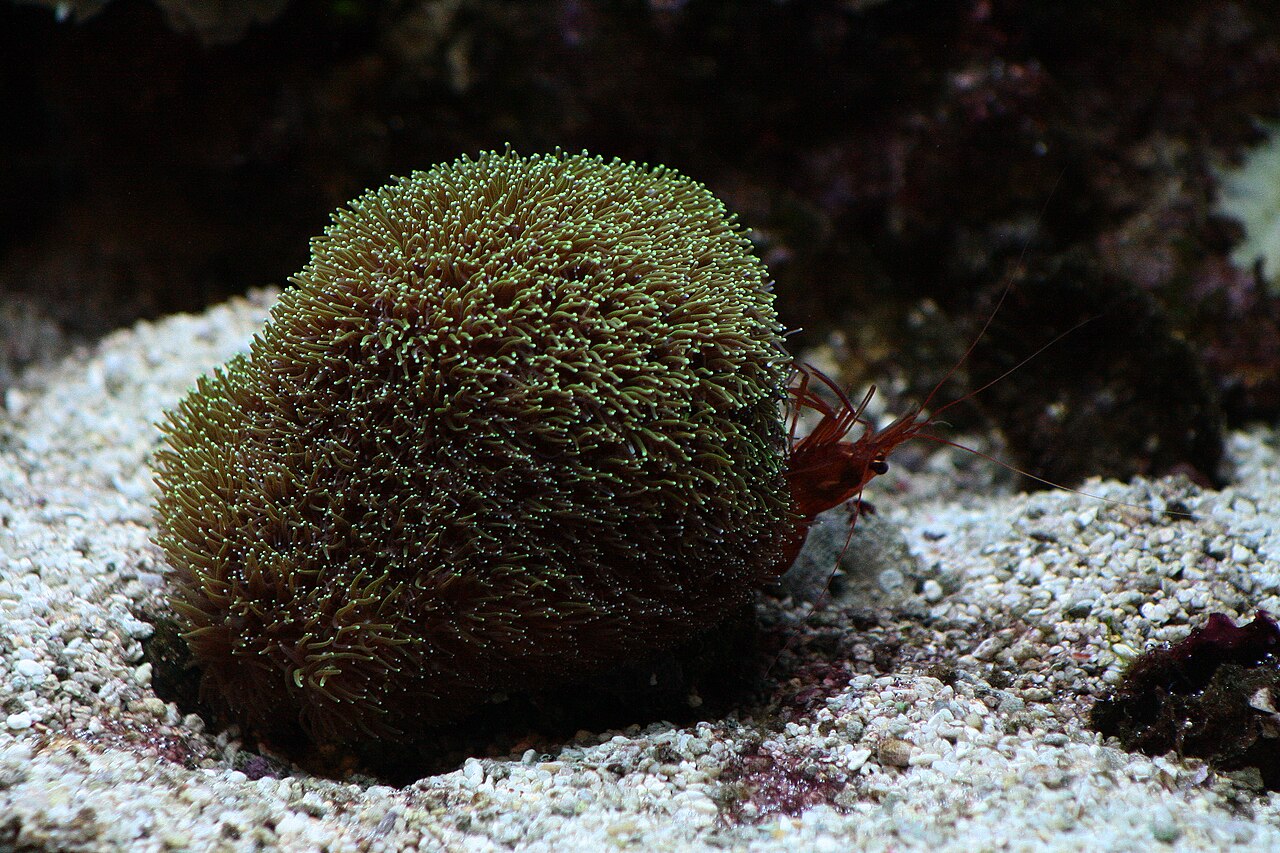
Lysmata are protandric simultaneous hermaphrodites: they mature first as males and later function as both sexes. Reference sources report that they breed readily in captivity and carry green eggs. The larvae are planktonic and very hard to raise, and most are eaten by fish or filtered out in a display tank. Don't expect baby shrimp to survive in a reef.
From Aquagram
Explore AquagramTest Account
Hello aquarists!
Dan GL
A view of my 125 gallon aquarium. Lots of fish and a few Northern Diamondback Terrapins too! 😁
SwitchTank
Incredible!
Common Problems
- Molting trouble. Shrimp must shed their shell to grow. Stable salinity and good iodine and calcium levels in reef tanks help. A pale, ghostly shell on the sand is a molt, not a dead shrimp; leave it a day before removing.
- Disappearing shrimp. Usually hiding after a molt, eaten by a predator, or escaped.
- Sudden death after adding. Often from poor acclimation or copper residue.
- Weakness and loss of color. Check the basics: ammonia, salinity and temperature. If several animals decline, see ammonia in a fish tank.
If a valuable reef is struggling, consult an aquatic vet or experienced reef shop.
Difficulty: Honest Rating
Peppermint shrimp are easy to moderate. The care itself is simple in a mature, invert-safe reef. The hard part is expectations: you may buy the wrong species, or the shrimp may ignore Aiptasia altogether. Treat it as an interesting, useful cleaner, not guaranteed pest control.
Peppermint Shrimp Care FAQ
Do peppermint shrimp eat Aiptasia?
Some do, especially Lysmata boggessi, but results vary a lot. Many shrimp sold as "peppermint" may ignore it.
Are peppermint shrimp reef safe?
Generally yes, though a hungry one may nibble on soft tissue.
What size tank do they need?
A mature 20-gallon or larger.
What do peppermint shrimp eat?
Detritus, leftover food, and small meaty foods such as mysis.
Can I keep several together?
Yes, in a larger tank with plenty of caves.
Why is my peppermint shrimp hiding?
Normal for a nocturnal scavenger, and common before and after molting.
Can peppermint shrimp live with copper treatments?
No. Copper is toxic to invertebrates.
Final Thoughts
Peppermint shrimp are a pleasant, low-fuss addition to a mature reef, as long as you know what you're buying. Buy from a source that can confirm the species, acclimate slowly and keep copper out of the system.
Have you had luck with peppermint shrimp on Aiptasia? Share your results in the comments.
Sources and Fact Check
Reviewed November 22, 2026. Sources actually read:
- Wikipedia: Lysmata wurdemanni (size, appearance, green eggs, hermaphroditism, planktonic larvae).
- Wikipedia: Lysmata boggessi (the "true peppermint" and Aiptasia).
- SeaLifeBase: Lysmata wurdemanni (distribution and general biology).
Limitation: only these references were available. Water parameters, tank size, acclimation, diet frequency, tank mates and lifespan are common reef-keeping hobby guidance, not drawn from a peer-reviewed care study.
Disclaimer: This article is general information, not veterinary advice. For serious or persistent problems, consult an aquatic veterinarian.