
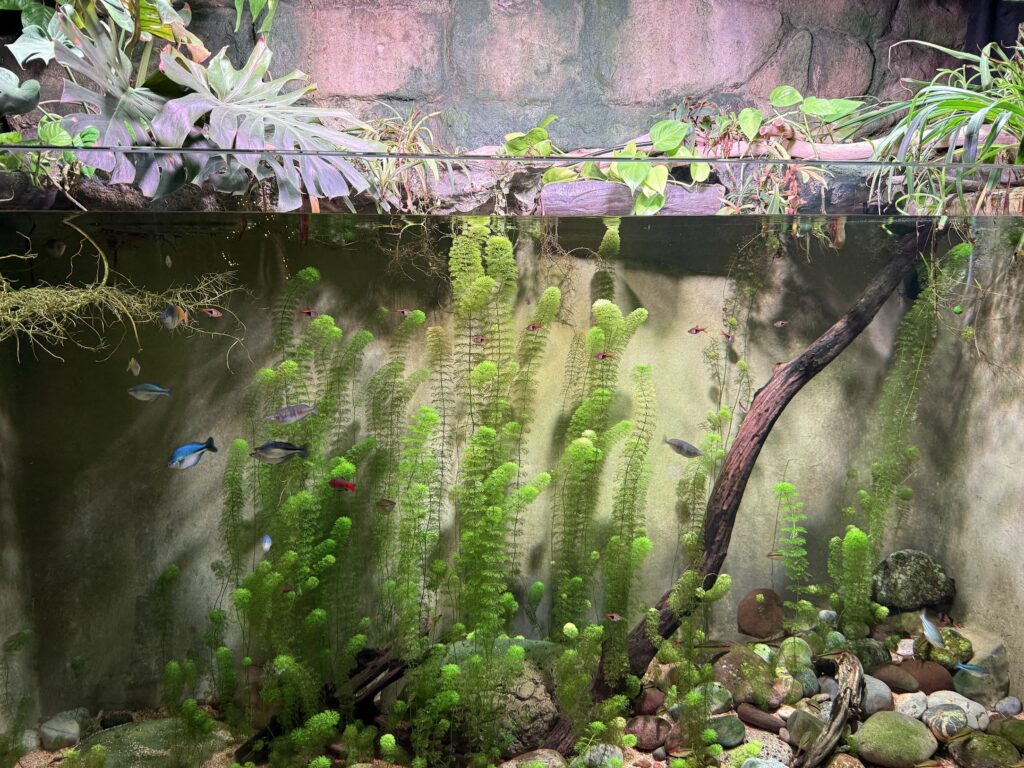
Red slime algae is not really algae. It is cyanobacteria, a bacterium that forms slimy red, brown, green or black mats on sand, rock, glass and plants, usually where water flow is weak and nutrients or waste have built up. To get rid of it, remove it by hand and siphon, fix the cause (excess nutrients, dead spots, dirty substrate), and only then consider a treatment. If you skip the cause, it comes back.
Is It Red Slime Algae? How to Tell
Cyanobacteria (often called blue-green algae, slime algae or cyano) typically shows up as:
- A thin sheet or mat that smears over sand, rock and decor
- Colors from red and maroon to dark green, brown or nearly black
- A slimy texture that peels off in a sheet when you siphon or touch it
- Trapped bubbles on the mat, often with a musty, earthy smell
Hair algae is stringy and tufted; cyano is a flat slime. If your problem looks like green threads, see our guide to hair algae in aquarium tanks. If the water itself is hazy, see cloudy aquarium water.
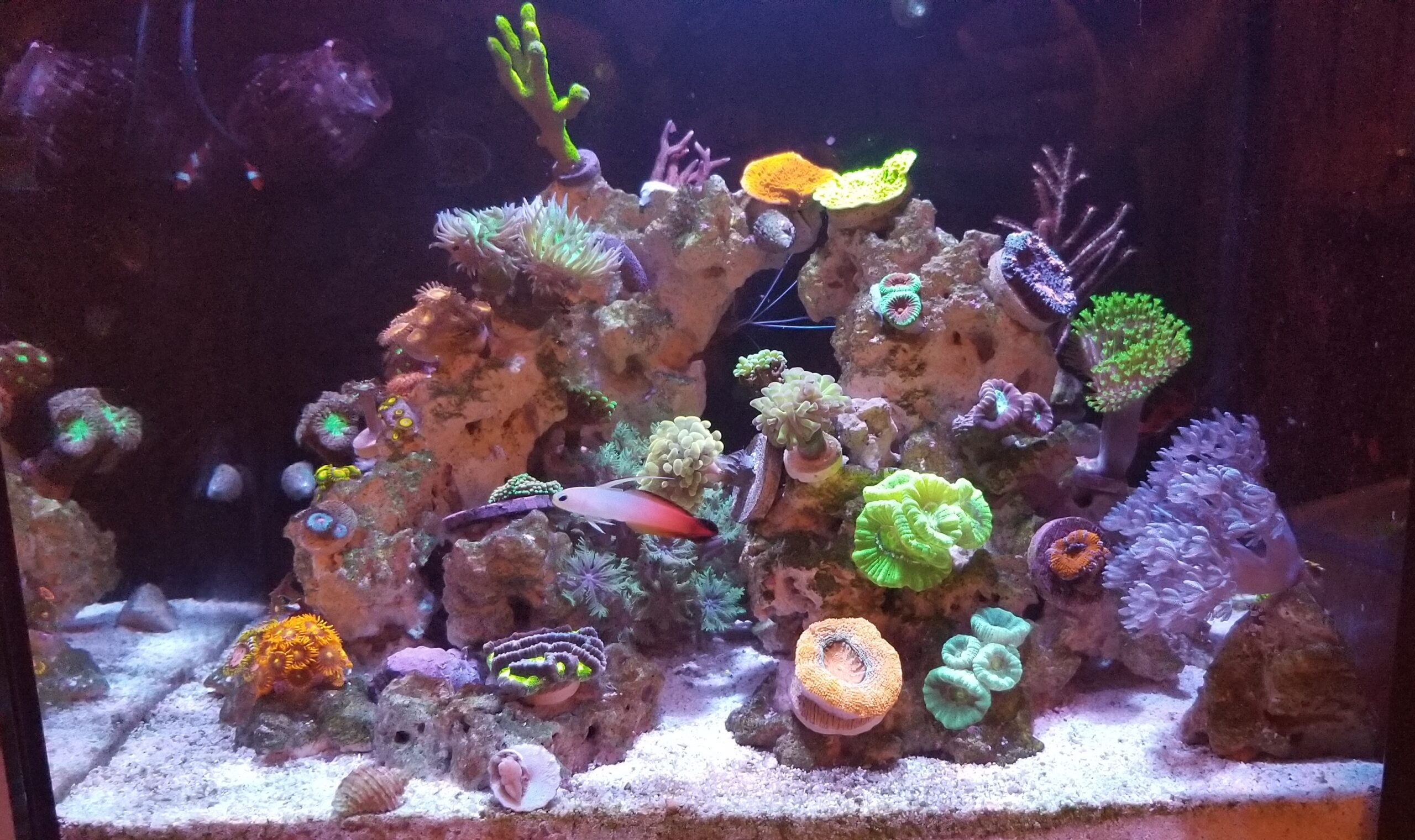
Most Common Causes of Red Slime Algae (Ordered by Likelihood)
- Poor water flow and dead spots. Cyano loves still water. Mats usually start behind rockwork, in corners and on sand where detritus settles.
- Excess nutrients. High nitrate and phosphate, often from overfeeding, overstocking or too few water changes.
- Built-up detritus. Uneaten food, waste and decaying matter in the substrate and filter feed it.
- Weak export in saltwater. An undersized or poorly tuned protein skimmer, or no skimmer, lets dissolved organics build up.
- Tap water with nitrate or phosphate. Not common, but a hidden source worth testing.
- A new or recently disturbed tank. Cyano often appears while a tank is still maturing, or after cleaning stirs up waste.
- Too many additives or uncured live rock. Both can leak nutrients into the water.
How to Diagnose Which Cause Applies
Work through this in order, because each answer points to a fix:
- Test nitrate and phosphate. A reef or freshwater test kit that reads phosphate is worth having. Readings that stay high mean nutrients are building up faster than you remove them.
- Look where it grows. Mats only in slack areas point to flow. Mats everywhere point to nutrients.
- Review feeding and stocking. Are you feeding more than fish eat in a minute or two? Is the tank crowded for its size?
- Check the filter and skimmer. A clogged filter or a skimmer that produces little skimmate means waste is staying in the water.
- Test your source water. If tap or RO/DI water reads nitrate or phosphate, that is a cause.
Step-by-Step: How to Get Rid of Red Slime Algae
- Remove it physically. Siphon the mats out during a water change. Use a turkey baster on rockwork and a soft brush on glass. Throw the removed material away; don’t leave it in the tank.
- Do a water change. Replace 20-30 percent of the water, using RO/DI water for saltwater and a good water conditioner for freshwater.
- Increase flow. Add a powerhead or wavemaker in saltwater, or reposition the filter outlet in freshwater, so no area stays stagnant.
- Clean the substrate and filter. Gently vacuum the substrate and rinse filter media in old tank water, never under the tap.
- Cut back feeding. Feed less and only what is eaten quickly. This is the most overlooked fix.
- Improve export. In a reef tank, clean and tune the protein skimmer. In a freshwater tank, add water changes and keep the filter clean.
- Keep at it. Results can take weeks, and in stubborn reef tanks, months.
Just a heads up: some of the links in this post are affiliate links, which means I may earn a small commission if you buy through them. But no worries, it is at no extra cost to you. Also, as an Amazon Associate I earn from qualifying purchases.
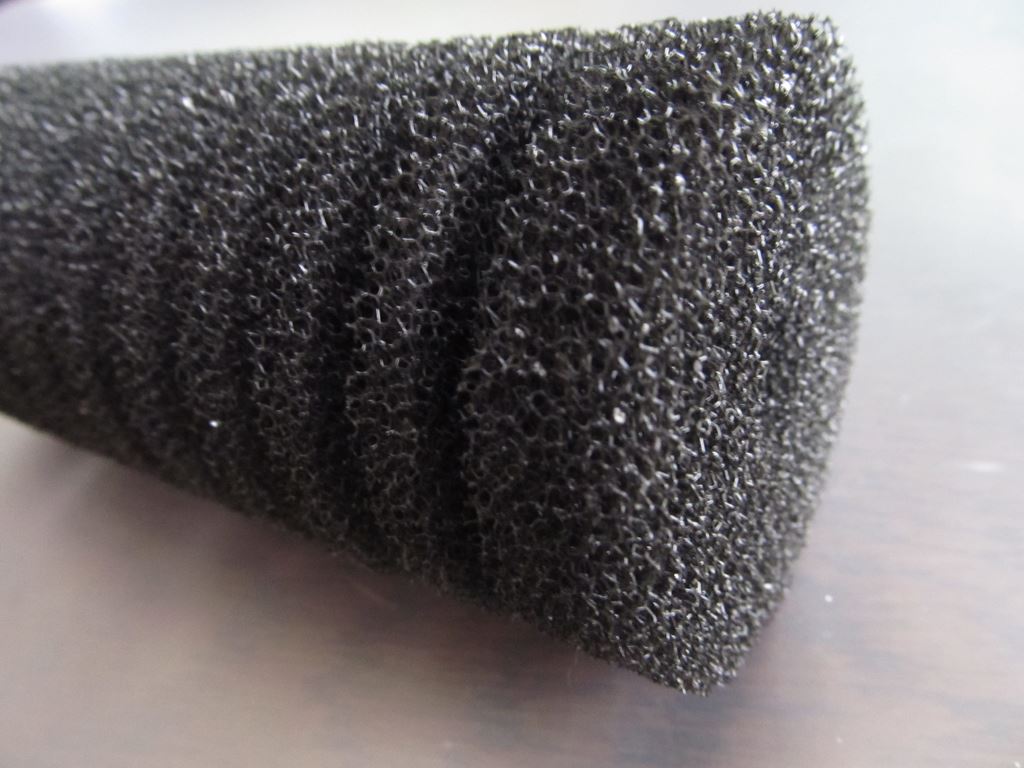
Treatment Options (After You Fix the Cause)
- Antibiotic treatment. In freshwater, hobbyists commonly use erythromycin-based products such as slime algae remover, which Aquarium Co-Op reports as safe for fish, plants and invertebrates and not harmful to the biofilter. Follow the label, add aeration, and do a water change afterward. Be careful in reef tanks: antibiotics can affect beneficial bacteria and some invertebrates, so research it for your system first.
- Blackout. Turning the lights off for several days can reduce it, but it can stress plants and corals, and the slime often returns if the cause remains.
- Manual removal and nutrient control remain the most reliable long-term approach.
Treatments only kill what is there; they do not stop the conditions that grew it.

When It Is Serious
Cyano is mostly a nuisance, but act quickly if:
- It is smothering corals or plants, which blocks light and can kill them
- Fish are gasping at the surface, which may mean low oxygen (see fish gasping at the surface)
- You see ammonia or nitrite, which means the tank is out of balance (see ammonia in fish tank)
- Large mats are dying and rotting at once
If animals are sick or dying, test the water and consider asking an aquatic vet or a local fish store with a good reputation.
How to Prevent Red Slime Algae
- Test regularly and keep a water change schedule
- Feed small portions and remove uneaten food
- Avoid overstocking
- Keep flow gentle but moving throughout the whole tank
- Use RO/DI water in saltwater tanks
- Vacuum the substrate and rinse filter media routinely
- Cycle new tanks properly: see how to cycle a fish tank
- Keep a decent test kit on hand
From Aquagram
Explore AquagramDan GL
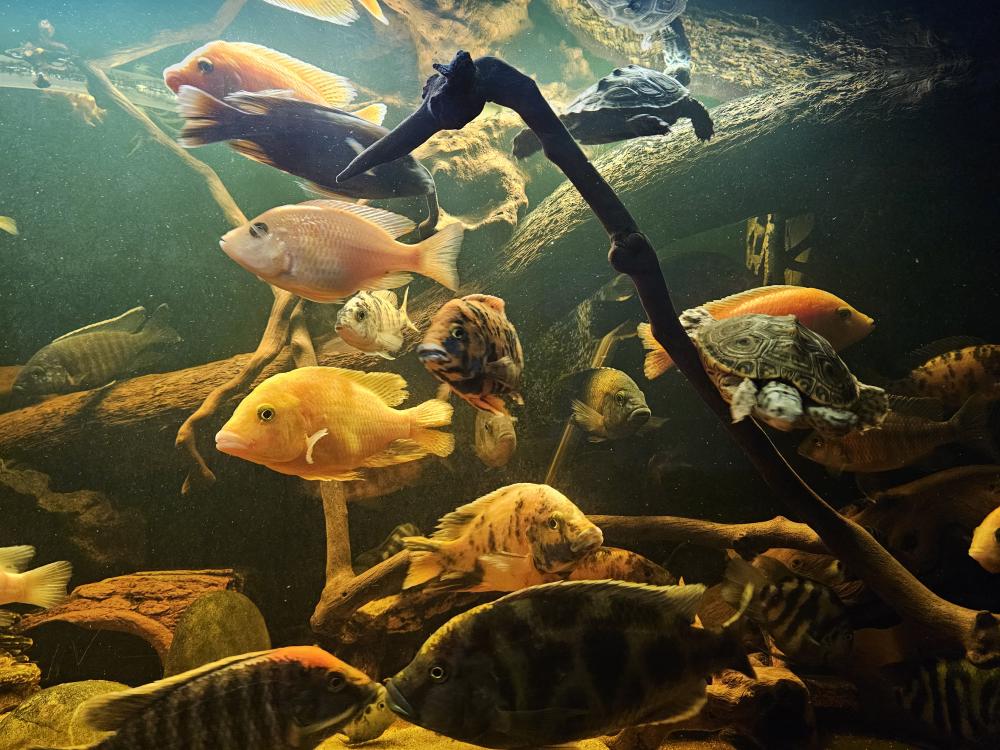
A view of my 125 gallon aquarium. Lots of fish and a few Northern Diamondback Terrapins too! 😁
SwitchTank
Incredible!

Jeremy N
Great app

FAQ
What causes red slime algae in a reef tank?
Usually a mix of excess nutrients (nitrate, phosphate, dissolved organics) and low flow. Overfeeding, weak skimming and few water changes are the most common contributors.
How do I get rid of red slime algae in a saltwater tank?
Siphon it out, do water changes with RO/DI water, increase flow, tune the skimmer and reduce feeding. Fix the nutrient problem or it returns.
Is red slime algae harmful to fish?
It is mostly harmless to fish directly, but heavy growth can smother corals and plants and signals poor water quality. Some cyanobacteria can produce toxins, so don’t ignore large blooms.
Why does my red slime algae keep coming back?
Because the cause is still there. Removing mats without fixing nutrients and flow only resets the clock.
Is cyanobacteria the same as blue-green algae?
Yes. Cyanobacteria is the proper name; “blue-green algae” is the common one, though it is bacteria and often looks red, brown or black.
Does red slime algae grow in freshwater tanks?
Yes. It is common in planted and new freshwater tanks with slow flow and dirty substrate.
Do any fish or snails eat red slime algae?
Few do reliably. Don’t rely on a cleanup crew to solve it.
How long does it take to get rid of red slime algae?
Mild cases clear within a week or two of correcting the cause. Stubborn reef cases can take months.
Final Thoughts
Red slime algae is a symptom, not the enemy. Remove it, then fix flow, feeding and nutrient export, and the tank will usually stay clear.
Disclaimer: This article is general information, not veterinary advice. For serious or persistent problems, consult an aquatic veterinarian.
Sources and Fact Check
Reviewed 2026-11-16. Sources read: Aquarium Co-Op, “How to Get Rid of Blue-Green Algae” (cyanobacteria is bacteria; appears in blue-green, brown, black or red; musty smell; slow flow and dirty substrate; manual removal; blackout caveats; erythromycin treatment); Reef Builders, “Controlling Cyanobacteria” by Jeff Kurtz, 2013 (saltwater cyano often red; causes include nitrate, phosphate and organics, weak skimming, overfeeding, tap water nutrients; strategies include RO/DI water, water changes, flow). Water change percentages and feeding advice are hobby guidelines. Limitation: Google search was unavailable, and no veterinary source was reviewed.
Image credits: Nano reef aquarium (Treetopz, CC BY-SA 4.0), aquarium sponge filter (Ofkun, CC BY-SA 4.0), stony coral in marine aquarium (public domain), featured aquarium photo (Netha Hussain, CC0), all via Wikimedia Commons.